disaster reduction
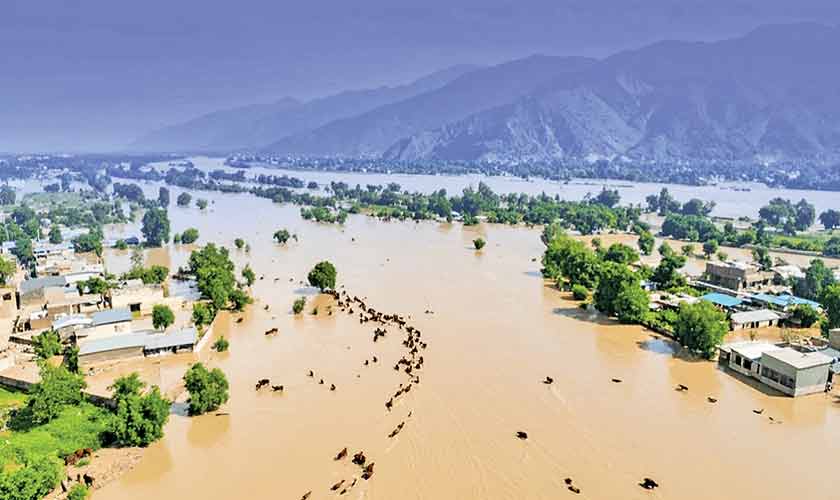
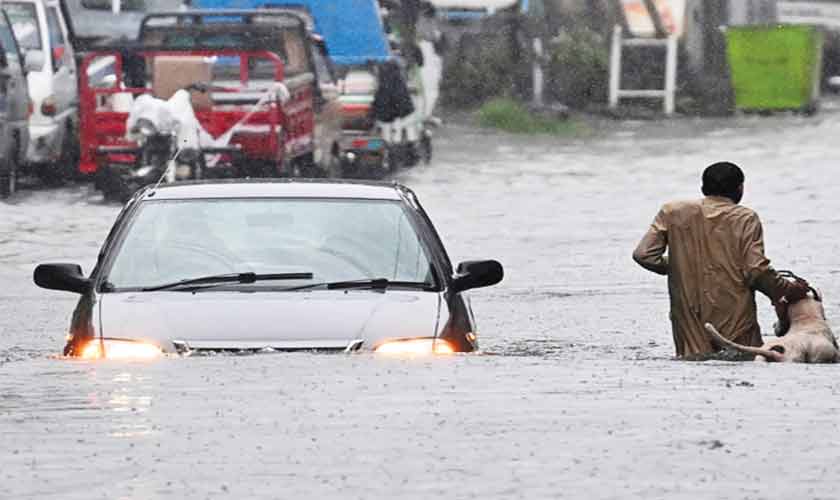
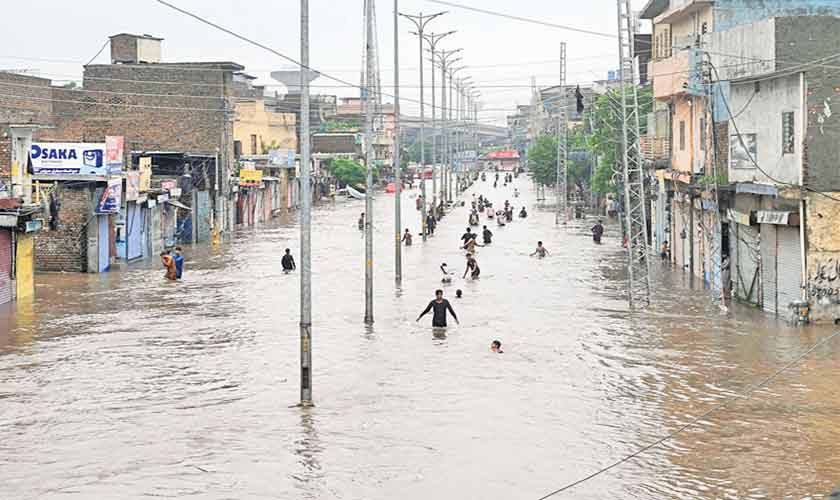
The people of Buner still remember the sound. It was not thunder, not quite the roar of a river, but something in between, a low rumble that grew louder until the earth itself seemed to split open. Within minutes, the cloudburst that hit the village swept away homes, drowned livestock and left people clinging to the hillside with what remained. Across Bajaur and Shangla, tales of entire families scrambling for higher ground in darkness echo the same horror. In Karachi, the disaster assumed another shape: streets flooded, vehicles trapped, power lines down, water inching toward doorsteps. In Rawalpindi, roads turned into rivers. In Lahore, families fought to keep water from seeping in as rain fell longer and heavier than most had ever witnessed.
And yet, this year, October 13, the International Day for Disaster Risk Reduction arrived like a cruel reminder. The day exists to force reckoning, to demand that disasters be prevented not merely endured. But here, the rains again exposed the same structural rot: delayed warnings, insufficient preparedness, fractured governance and a reflex to respond rather than prevent. Policies flutter like leaves in the storm but plans remain disconnected from lived realities. Villages say they never got proper alerts; cities say drainage systems failed; local agencies say they lacked the authority or funding. The gap between promise and protection yawns wide.
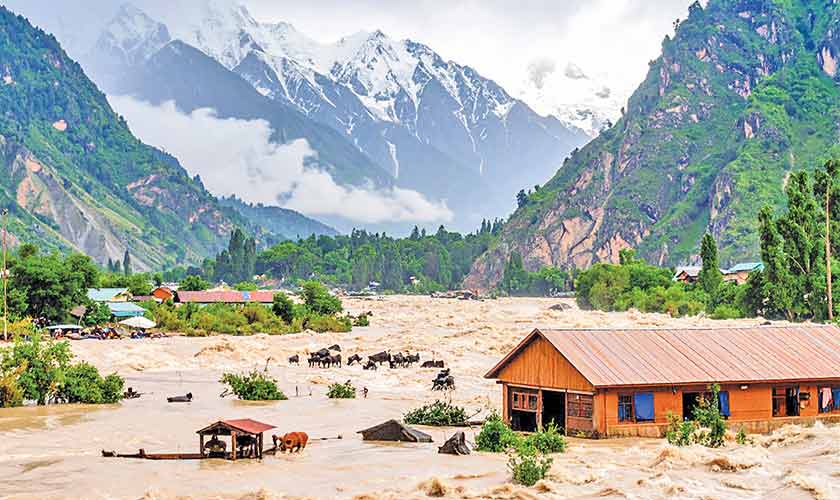
According to Arab News, the death toll from monsoon rains and flash flooding since June has now reached at least 1,006 people nationwide. The National Disaster Management Authority confirms that millions have been affected, and over a million displaced. In Punjab alone, more than 4.7 million residents have felt the impact, with over 4,700 villages submerged. Reuters reports that over 1,000 fatalities have been recorded, with more than 2.5 million displaced and over 1.8 million acres of farmland inundated. Karachi too paid a heavy price: local authorities say at least eight deaths have been confirmed in the city from rain-related incidents, and over 300 people relocated as rivers within the city, Lyari and Malir, surged.
I lived it. I remember one evening when I was stuck at my workplace for over ten hours, watching the sky darken, the wind rising and rain begin in insistent waves. Long after shift had ended, I stepped outside into chaos. The streets were impassable. What should have been a short drive home became a crawl through waterlogged lanes, headlights reflecting in waist-high pools. We rode over submerged curbs, edged past stalled vehicles, and in pitch darkness, navigation impossible, prayed we wouldn’t be swept away. We reached home by sheer stubbornness, huddled in wet clothes, shaken. That night in Karachi felt like a trial by water: familiar roads turned alien, every intersection a gamble, every puddle a trap. I was among the luckier ones; many were stranded, trapped in homes, doused by leaking ceilings or cut off by broken embankments.
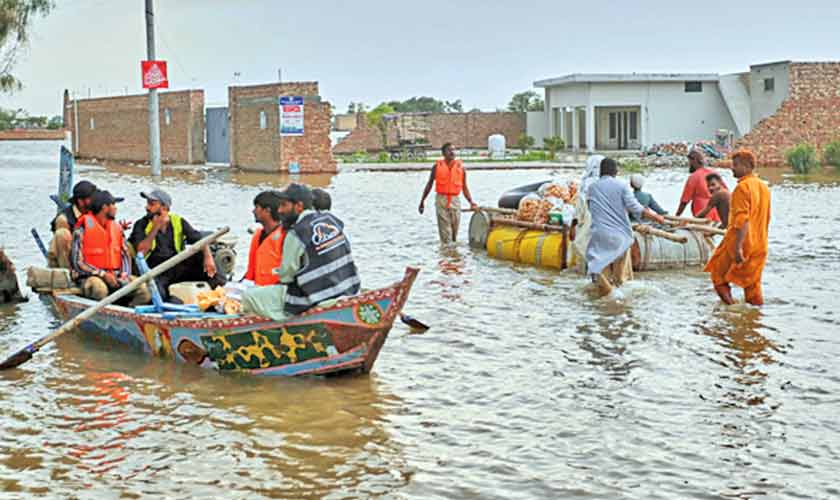
This is not an isolated urban drama. Elsewhere, farmers watched their cotton and rice crops drown in standing water before harvest. Fields turned into swamps; debts outran yields. In Sindh, families perched on rooftops, taking rations from relief supplies dropped by helicopters when roads failed. In Khyber Pakhtunkhwa, collapsed bridges and landslides left entire communities unreachable. What once was called a ‘natural calamity’ is now a predictable disaster. Each monsoon carries the certainty of devastation.
Scientific consensus is mounting. The atmosphere is now warmer, able to hold more moisture, releasing it in violent bursts. Pakistan’s hilly regions, stripped of forests and wetlands, no longer buffer water flows. Urban expansion encroaches on natural drainage; blocked waterways and illegal construction turn roads into flood channels. Cities built without regard for hydrology now drown under their own growth.
The human cost reaches beyond lives lost. The UN’s OCHA (United Nations Office for the Coordination of Humanitarian Affairs) and ReliefWeb noted that by mid-September, flood-related fatalities were closing in on 992 people, with over 1,062 injured. Reports suggest more than 6 million Pakistanis are impacted overall and roughly 2.9 million
displaced. Cropland worth billions of rupees lies beneath floodwater. In Punjab alone, some 2.2 million hectares were inundated; 8,400 villages are reported submerged or damaged.
In the industrial corridors, factories and supply chains lie idle; export losses
loom large.
But what good are numbers if they don’t live in our bones? Behind each statistic is someone’s world turned inside out: the mother whose children slept through rising water; the child afraid to step outside; the father who counted every rupee he lost; the student who studied by candlelight when power failed, only to find her school underwater the next day. Behind every drowned road and collapsed house lie scars no relief package can heal.
To break the cycle, Pakistan must embrace change anchored in accountability and humility. The path ahead demands that infrastructure be built not for average rain but for extremes; that maps of hazards guide where we build homes and roads; that community voices shape evacuation routes and shelters. Women, children, the elderly, the marginalised, those always pushed to the margins, must be central, not afterthoughts, in any plan. Political courage must emerge: budgets must favour resilience over optics, enforcement must outlast political cycles and failure must be met with consequences.
That night, for me, every turn towards home was a gamble against floodwater and darkness. It felt like a smaller version of what the entire country is living through, stumbling through disaster without a plan, surviving only by chance. The roads were water, the darkness total, the logic reversed. But survival demanded adaptation. If Pakistan leans into that stubbornness, if it learns to anticipate rather than react, then the scars of 2025 might become a foundation, not a footnote.
Because right now, each monsoon returns like a judge’s sentence. On the International Day for Disaster Risk Reduction, let us demand not empty speeches but real change. The losses of this year must not fade into memory. Let them be the impetus for a response as relentless and unforgiving as the rains themselves.
The choice is still available. Whether it is taken remains to be seen.