This year, International Literacy Day - celebrated annually on September 8 - highlights the importance of learning in the digital era. You! takes a closer look at this in the context of Pakistan…
The digital era has transformed our world into a small, interconnected village where knowledge travels faster than ever before. With the spread of computers, smartphones, and the internet, it has redefined how humanity communicates, learns, and lives. The digital world is no longer distant; it is the environment we inhabit daily - where online education, artificial intelligence, and data-driven systems shape human existence.
International Literacy Day is celebrated each year on 8th September. This year, the theme is ‘Promoting Literacy in the Digital Era’, which implies that true empowerment requires not only the ability to read and write but also the skills to navigate, understand, and create within the digital sphere.
This global event highlights the power of literacy to transform lives. It expands capabilities, reduces poverty, and increases participation in the labour market, and positively impacts health and development. For women, its effect multiplies across generations: empowered mothers improve the education and well-being of their families, especially their daughters.
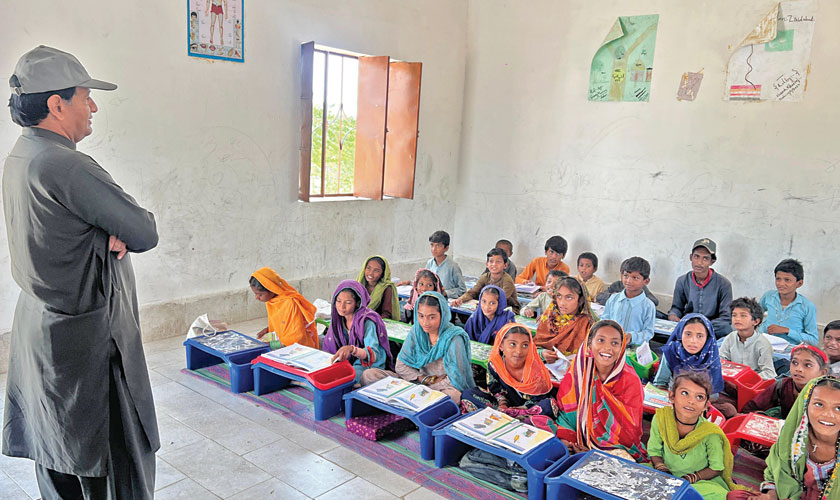
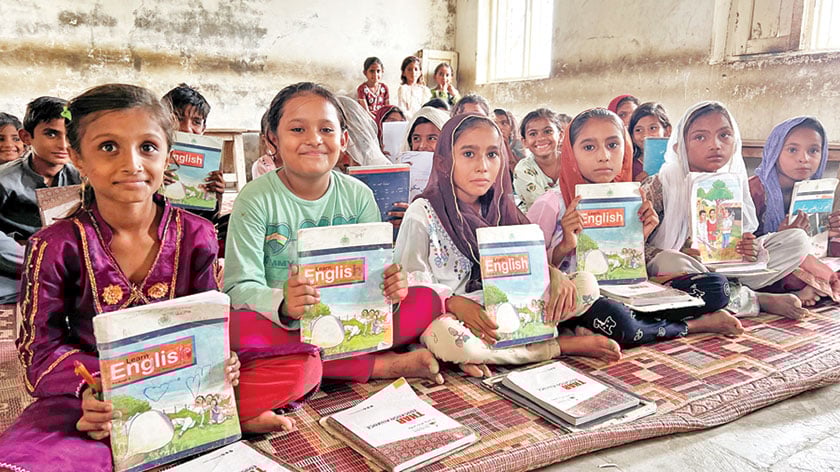
In Pakistan, however, challenges remain. Since 2014–15, the literacy rate has stagnated at around 60 per cent – 74 per cent in urban areas and 54 per cent in rural ones. Alarmingly, 25.37 million children between the ages of 5 and 16 remain out of school. For them, Non-Formal Education (NFE) provides a vital alternative, offering flexible learning opportunities, as highlighted in the Pakistan Non-Formal Education Report 2023–24, launched at Allama Iqbal Open University (AIOU).
Digitalisation is reshaping how we learn and work, bringing both opportunities and risks. Digital tools can open doors for marginalised groups, including millions worldwide who still lack basic literacy. Yet this shift also creates ‘double marginalisation’ - exclusion from both traditional learning and the benefits of the digital age. Other challenges include privacy concerns, misinformation, passive content consumption, and environmental costs.
Today, literacy goes far beyond just reading and writing. It encompasses the ability to access, evaluate, and create digital content safely and effectively. Literacy fosters critical thinking and enables individuals to discern credible information in complex digital environments.
Globally, progress remains uneven. While over 86 per cent of the world’s population can now read and write, 754 million adults - two-thirds of them women - still lack these essential skills. Around 250 million children fail to achieve minimum literacy levels, and even before COVID-19, 617 million children and teenagers were not meeting expected reading standards.
Pakistan has pledged to achieve Sustainable Development Goal 4 (SDG 4) on quality education, which envisions inclusive and equitable lifelong learning opportunities for all by 2030. However, the number of out-of-school children continues to rise, particularly among girls, children with disabilities, and minority groups, who remain denied equal access to education.
In this regard, You! spoke to a few experts who shared their valuable insights with this scribe. Read on…
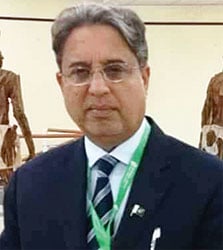
Muhammad Rafique Tahir, Senior Advisor at the Centre of Excellence, Allama Iqbal Open University and former Head of the National Curriculum Secretariat, shared valuable reflections on Pakistan’s literacy journey. He emphasised that literacy is not just about reading and writing; it is a basic human right, a constitutional responsibility, and a key part of Pakistan’s commitments under the Sustainable Development Goals.
He noted that progress has often been hindered by issues such as planning gaps, insufficient funding, and limited monitoring systems. For him, literacy must be seen not as a routine target, but as a driver of poverty reduction, social cohesion, gender equality, and human development. Real change, he explained, can only occur when political leadership takes ownership of the cause and works hand in hand with civil society, parliamentarians, and the media to make literacy a genuine agenda for social transformation.
Reflecting on today’s realities, he highlighted that in the digital era, literacy must extend beyond traditional skills to include the ability to navigate, evaluate, and create digital content responsibly. “Without equipping learners - particularly those from disadvantaged backgrounds - with digital skills, traditional literacy alone cannot prepare them for meaningful participation in society,” he stressed.
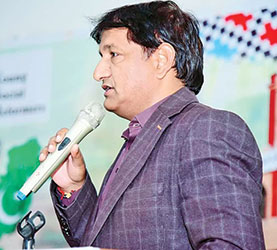
Partab Shivani, CEO of the Thar Education Alliance (TEA), has long been recognised for his tireless efforts to improve education in marginalised areas, particularly in the remote desert regions of Sindh. Under his leadership, TEA has become a beacon of hope for children who have long been deprived of quality education.
The alliance successfully runs non-formal education centres and pioneered the ‘Sindh Children’s Parliament on the Right to Education’ - a ground-breaking platform where children themselves raise their voices for their right to learn. This initiative goes beyond creating visibility; it empowers children to become active stakeholders in shaping their own education.
Beyond this, TEA has mobilised parents to send their children to school and introduced innovative incentives to promote girls’ education. In Tharparkar, where schools are often miles away from villages, TEA provided bicycles to girls - small interventions that became life-changing. These bicycles helped overcome barriers of distance and safety, enabling daughters to pursue education where they might otherwise have stayed home.
According to Mr Shivani, while International Literacy Day is marked with ceremonies and speeches, Pakistan still faces one of the highest rates of out-of-school children in the world. He stressed that enrollment drives in big cities cannot solve the issue; true progress must come through community ownership at the grassroots level. Mothers, local activists, and community leaders must play active roles in ensuring not only enrollment but also retention, as high dropout rates continue to undermine any gains.
In line with this year’s digital theme, he emphasised the need to expand alternative pathways such as accelerated learning programmes and technology-enabled education models. He pointed out that the budget allocated for education remains disproportionately small compared to the magnitude of the challenge. “Education,” he said, “cannot be seen as the government’s responsibility alone. It must be a collective effort - civil society, the media, parliamentarians, communities, and the corporate sector must all contribute if Pakistan is to turn the tide.”
“When we provide rations to two hundred families, it lasts only a few days. But when we build a science lab, it nourishes generations,” elucidated Shirvani, making a valid point.
However, Irtiza Ahmad, a young professional, while acknowledging Pakistan’s many capable teachers, pointed out that the curriculum remains outdated and misaligned with the demands of the digital world. “This creates a widening gap between classroom learning and the skills needed for global competition,” he shared.
To truly empower students, Irtiza, who is now serving as a Head of Department at V Media (a growing marketing firm), believes that universities must move beyond traditional instruction and fully embrace digitalisation - not just by adding computers to classrooms, but by creating platforms for meaningful collaboration, innovation, and problem-solving. Education, he emphasised, should prepare youth to compete globally, not merely locally.
The digital world, he observed, has already unlocked opportunities that were once unimaginable. “Platforms like YouTube and online learning spaces have democratised knowledge, making it accessible to anyone with an internet connection. From mastering new skills to exploring emerging technologies, today’s youth have unprecedented opportunities for self-directed learning,” expressed Irtiza. “The digital world can either be a trap or a bridge. With guidance and critical thinking, it can unlock limitless opportunities. Without it, it risks deepening inequalities and leaving young people unprepared for a competitive, borderless world,” he added.
Yet we cannot fully rely on technology. Online spaces are often crowded with misinformation, fake news, and misleading resources. Without proper guidance, students may struggle to distinguish credible knowledge from harmful content. This highlights the evolving role of teachers: no longer simply lecturers, they must now serve as mentors and guides, equipping students with critical thinking skills and teaching them how to evaluate information and engage responsibly in the digital sphere.
Since 1947, Pakistan has launched no fewer than seventeen education programmes, each promising reform. Yet, significant gaps remain. In times of climate emergencies - floods, cloudbursts, and displacements - education is often one of the first casualties. Schools are turned into shelters, families are uprooted, and thousands of children quietly vanish from the system. Without robust digital tracking, they are simply added to the already daunting number of out-of-school children.
As a climate-vulnerable country, Pakistan faces recurring waves of migration, each leaving behind children lost to education. While governments and organisations continue their efforts, the struggle remains painfully real for parents.
As a mother, I experienced this first-hand when I relocated to another city. Despite having resources and determination, even government schools in the federal capital provided little support. I met countless mothers who shared the same frustration - navigating the system without guidance.
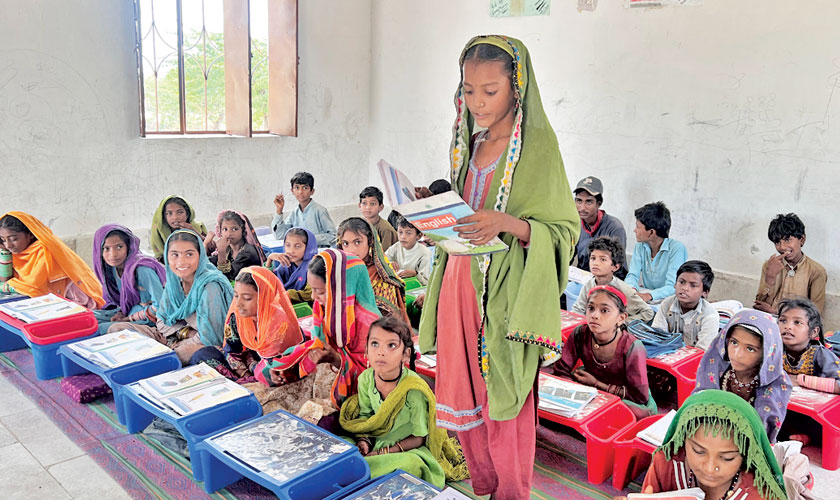
Behind every statistic lies a story: a family, a mother, a dream at risk. Numbers alone cannot capture this reality. Strategies must go beyond paper to build compassionate, practical systems that welcome every child - especially those uprooted by climate crises.
On this International Literacy Day, as we celebrate literacy in the digital era, let us also commit to building resilience. No child should be invisible, no mother helpless, and no community left behind in the pursuit of education.
International Literacy Day 2025 reminds us that literacy is not just a skill - it is a lifeline. In the digital era, it is the bridge that connects children’s dreams to opportunities, youth’s ambitions to careers, and communities’ struggles to solutions. From the voice of a child envisioning a joyful, digitally inclusive school, to the determination of youth navigating online learning, to the tireless efforts of professionals and community leaders, one truth is clear: literacy is our most powerful tool for resilience and progress.
As Pakistan faces climate challenges, social inequalities, and the pressures of a globalised digital economy, the call to action becomes even more urgent. We must not only ensure access to education but also equip every learner with the digital literacy and critical thinking skills needed to thrive in this era. This is not the responsibility of the government alone; it requires a collective effort from parents, teachers, civil society, policymakers, and the private sector.
True literacy goes beyond reading and writing - it means empowering individuals to participate, innovate, and lead in a rapidly changing world. On this day, let us pledge to make literacy in the digital age a shared mission. When every child can learn, create, and dream, the whole nation moves forward with hope, dignity, and strength.
The writer is a development professional and educationist with over 20 years of experience in the social sector. She can be reached at quratmudasar@gmail.com