A possible game-changer: This blood test detects multiple cancers without symptoms
Shockingly, 70% of participants of study were diagnosed with cancer types that have no standard cancer screening available right now
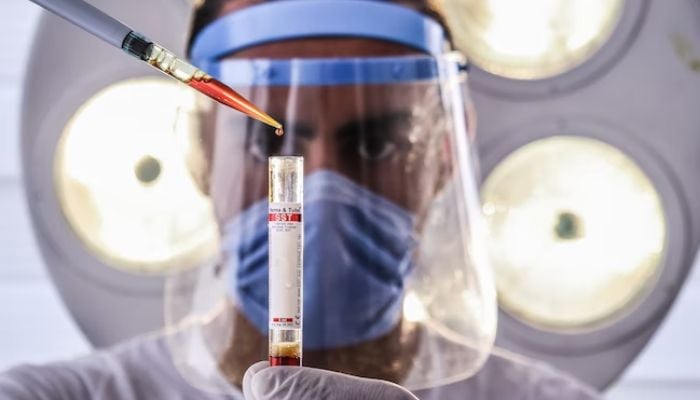
A blood test showed several cancers in patients who had not yet shown any symptoms. The Pathfinder Study by GRAIL has done what could be a game-changer for cancer diagnosis.
The test, which was conducted on 6,662 people by the healthcare company focused on cancer screening, found cancer in nearly about 1% of the participants.
Conducted on patients aged 50 or above, the findings were presented at the European Society for Medical Oncology (ESMO) Congress 2022 in Paris.
The test is called Multi-Cancer Early Detection (MCED) test. Researchers explained that the former versions of the test were refined to develop a more accurate test that focuses only on cancer. The previous version also detected fairly common pre-malignant hematologic conditions.
Jeffrey Venstrom, MD, chief medical officer at GRAIL, said that MCED testing detected double the number of cancers than standard screening.
"These included Stage I cancers of the liver, small intestine, and uterus, and Stage II pancreatic, bone, and oropharyngeal cancers," he said in a statement.
Shockingly, 70% of the participants of the study were diagnosed with cancer types that have no standard cancer screening available right now.
In 92 patients, cancer signal was detected and out of these, 35 were diagnosed with 36 cancers.
Researchers claimed that there was a 97% accuracy for the cancer signal origin prediction.
The new test can improve cancer screening and lead to better treatment strategies.


-
 France steps up Ebola support in Congo as fears of resurgence grow
 -
 Vance’s fraud crackdown may raise health insurance costs for Americans
 -
 One common mistake elevates blood pressure readings by 7 points, study warns
 -
 Moderna loses US government license defense in patent case
 -
 Novo says new Ozempic shows lower cardiovascular risk compared with Lilly’s Mounjaro
 -
 University of Nottingham researchers say new gel could regrow tooth enamel in weeks
 -
 New Chinese drug extends stroke treatment window from hours to 2 days: study finds
 -
 Trump’s FDA nominee Heidi Overton defends vaccines, contradicting his claims