Glyphosate not a carcinogen, European agency says
Glyphosate is currently classified as causing "eye damage" and being "toxic to aquatic life", but it is one of the most widely used weed-killers in the world

HELSINKI: Scientific evidence does not justify classifying the controversial and widely-used herbicide glyphosate as a carcinogen, the European Chemicals Agency (ECHA) said on Tuesday.
Glyphosate is currently classified as causing "eye damage" and being "toxic to aquatic life", but it is one of the most widely used weed-killers in the world.
"ECHA´s Risk Assessment Committee formed its independent scientific opinion, the current classification of glyphosate does not change," Mike Rasenberg, ECHA´s Director of Hazard Assessment, told AFP.
"Based on a wide-ranging review of scientific evidence, the committee again concludes that classifying glyphosate as a carcinogen is not justified," the agency said in a statement.
The use of the controversial herbicide is authorised in the EU until 15 December 2022 and the Commission is currently assessing whether the approval can be renewed or not.
As there was not enough evidence to classify glyphosate for "organ toxicity, or as a carcinogenic, mutagenic or reprotoxic substance", the agency proposed that the current hazard classification remain in place.
In March 2015, the World Health Organization´s International Agency for Research on Cancer had classified glyphosate as "probably carcinogenic to humans".
There have been calls to ban the substance for its alleged carcinogenic effect, but farmers´ organisations have been opposed this, citing a lack of an alternative.
As the next step in the assessment, the European Food Safety Authority (EFSA) is expected to finalise its conclusions on "all possible risks that exposure to glyphosate might pose" by July 2023.


-
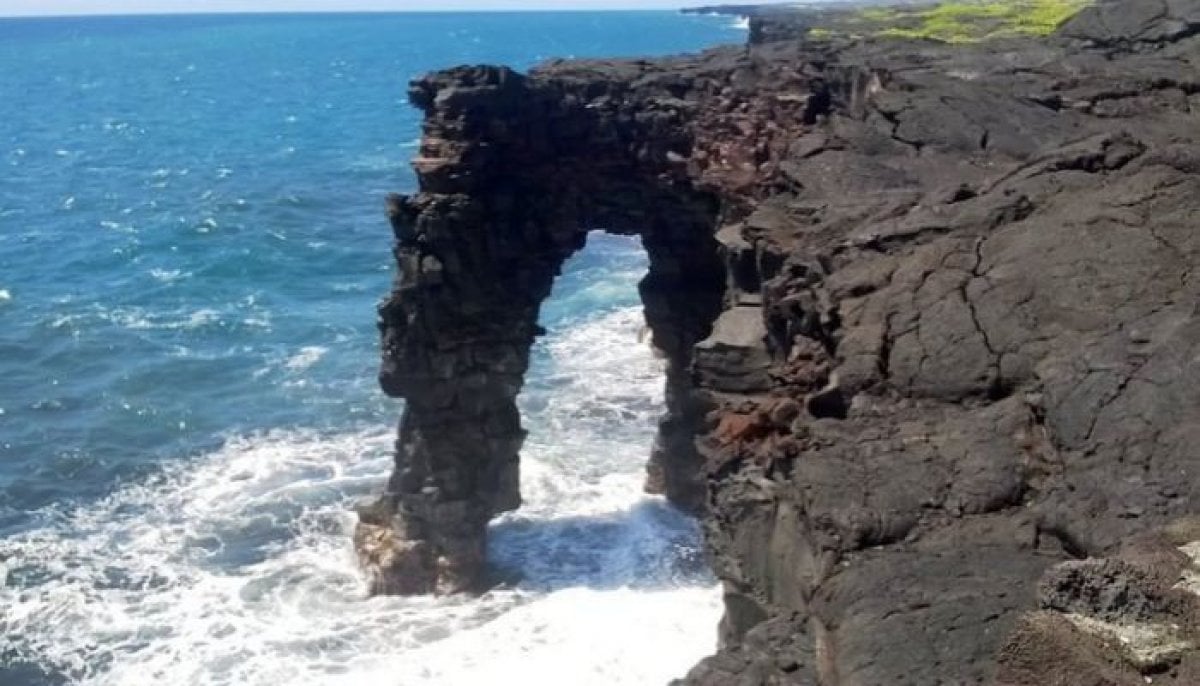 Hawaii’s Hōlei sea arch collapses after centuries on Big Island: What happened
 -
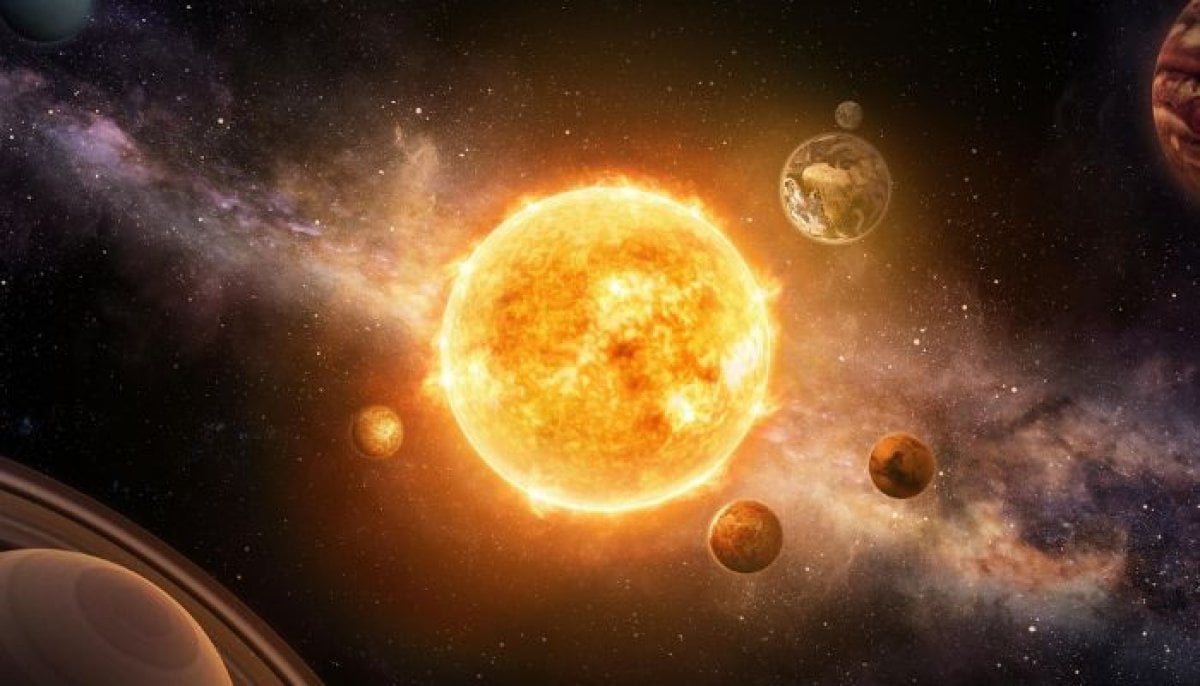 Solar system may have a much shorter lifespan than we thought
 -
 Singapore builds world’s ultra-precise clock outperforming US, China
 -
 NASA expands Moon base research with three new investigations
 -
 Are Europe's data centres hiding their water use?
 -
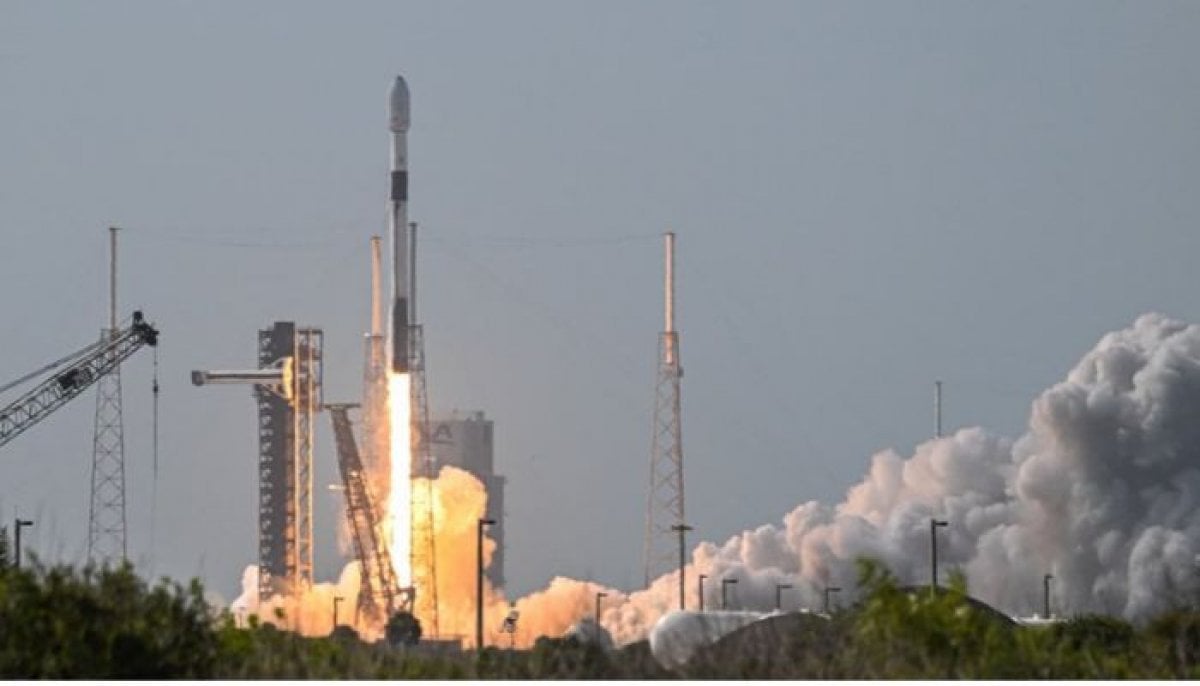 SpaceX set to send Google AI chips into space for data centers
 -
 New report warns of record ocean warming and rising seas
 -
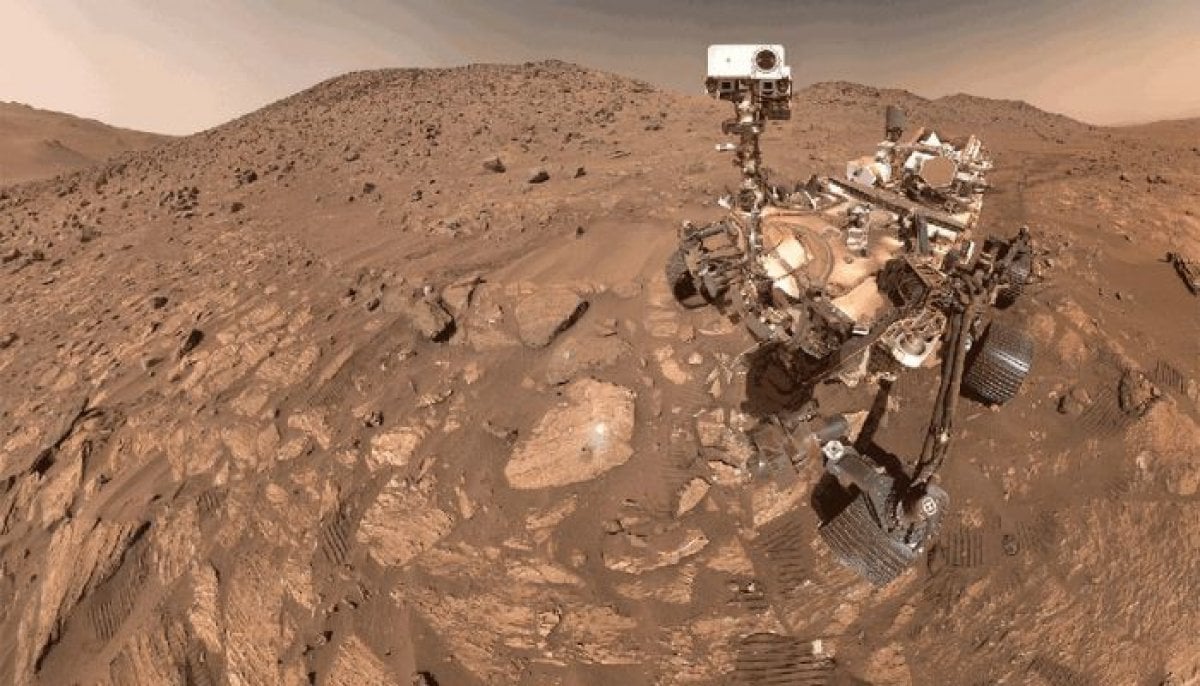 Why NASA scientists believe Scotland holds clues to Mars’ ancient past