
Iftar, i'tikaaf to remain banned in Saudi's Two Holy Mosques during Ramadan
Saudi Arabia preparing to provide ready-made iftars for those visiting the Grand Mosque

Iftar (breaking fast) and performing i’tikaaf (the practice of staying at a mosque for worship for a certain number of days) will remain banned in Saudi Arabia's Two Holy Mosques — Grand Mosque in Mecca and the Prophet Muhammad's (PBUH) Mosque in Madina — during Ramadan due to the pandemic.
Saudi Gazette, citing the head of the Presidency for the Affairs of the Two Holy Mosques, Sheikh Abdul Rahman Al-Sudais, said the government was preparing to provide ready-made iftars for those visiting the Grand Mosque.
Meanwhile, the "distribution of suhoor among visitors, worshipers, and others in the areas of the Prophet’s Mosque and its courtyards and premises will be forbidden."
“The mataf (area for circumambulation around the Holy Kaaba) will be designated only for Umrah pilgrims and there will be five designated areas inside the Grand Mosque and its eastern courtyard for performance of prayers,” he said.
“Translators working at the Grand Mosque will provide guidance service and translate questions to scholars who will issue fatwas (religious edicts) in 23 languages,” he said. “There will also be sign language interpreters for the Friday sermon.”


-
 Iran war could cost US taxpayers $1 trillion, expert warns
 -
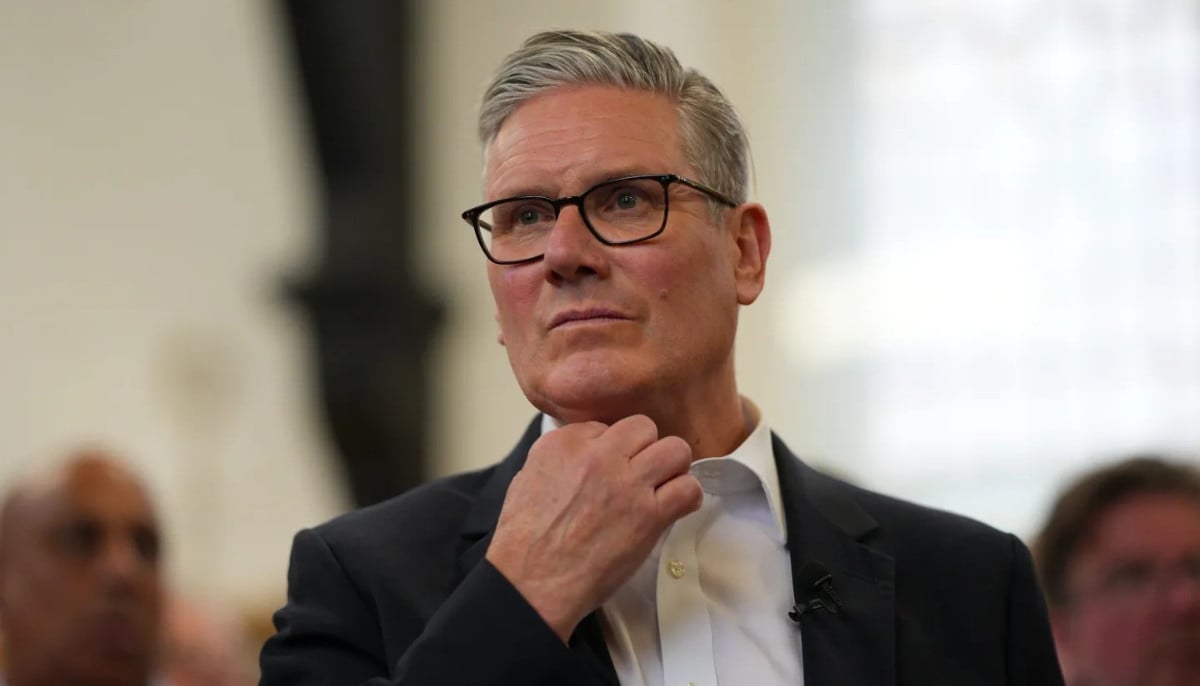 The frontrunners who could replace Keir Starmer as party leader and British prime minister
 -
 Philippine Senate lockdown after shots fired during ICC arrest attempt
 -
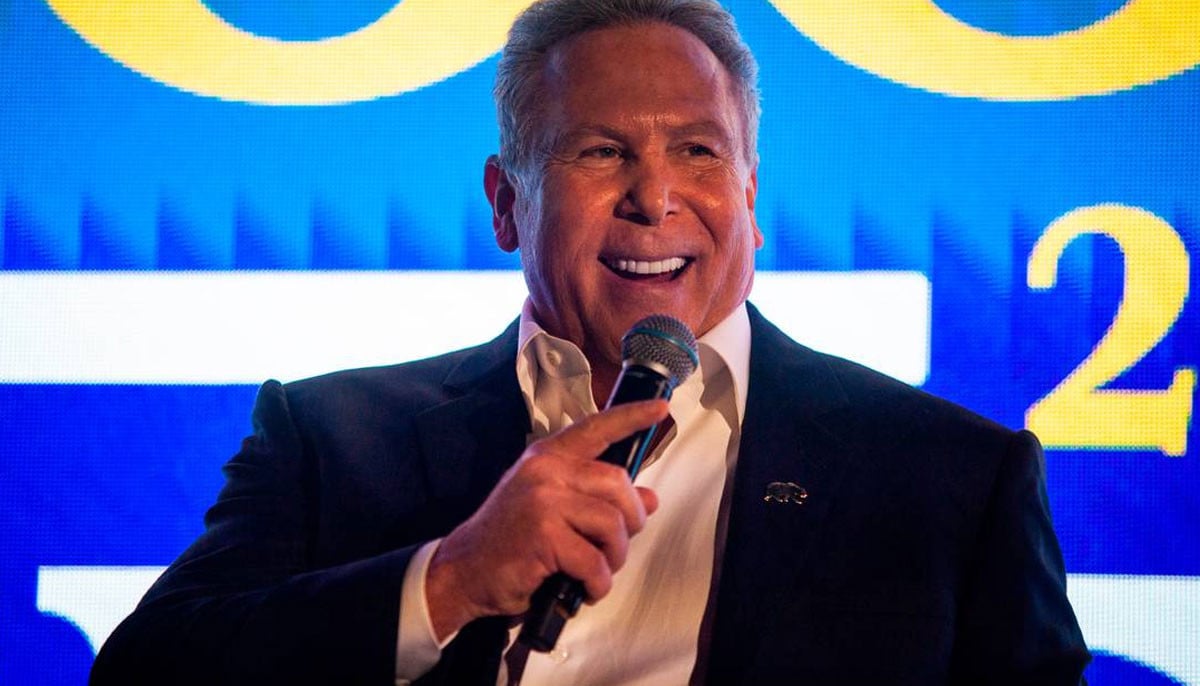 Stephen Cloobeck, one-time Governor hopeful, arrested by cops
 -
 Iran war is shrinking global oil reserves at a record pace, IEA says
 -
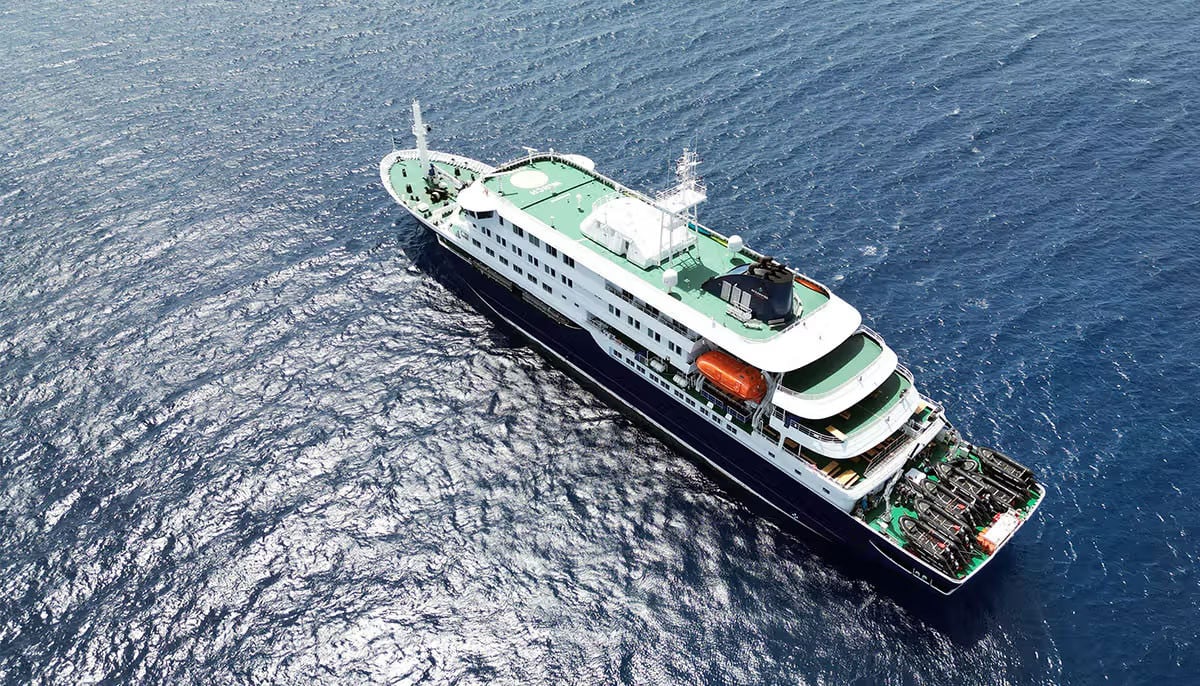 Another outbreak hits separate cruise ship after hantavirus panic
 -
 Trump just arrived in Beijing as all eyes turn to high-stakes China visit
 -
 Savannah Guthrie sparks growing concern with major announcement: 'She's grieving, she's under pressure'
-
 Iran restores 90% of missile facilities after strikes, US intel says
 -
A ‘total farce’: Kash Patel denies alcohol-related allegations, challenges Senator to drinking ‘audit’
-
Illinois case of hantavirus holds no link to MV Hondius cruise ship outbreak
-
Can Jensen Huang save Nvidia’s China business? Inside Trump’s high-stakes Xi summit


