
Indian leader calls for end to 'greed for dowry' regardless of religion after Ahmedabad suicide
India's Majlis-e-Ittehadul Muslimeen president says demanding dowry is "forbidden in Islam" and violence is "not masculinity"

- All India Majlis-e-Ittehadul Muslimeen (AIMIM) leader says there's "no masculinity" in men subjecting women to violence.
- AIMIM President Asaduddin Owaisi notes that demanding dowry "is forbidden in Islam".
- Owaisi's comments come days after a young woman in Ahmedabad died of suicide over her husband's demands for dowry.
NEW DELHI: An Indian Muslim leader has called for an end to the "greed for dowry" regardless of the religion anyone follows in the backdrop of a the tragic suicide of a young woman in Ahmedabad.
Men subjecting women, especially their wives, to violence is "not equivalent to masculinity", said Asaduddin Owaisi, one of the two brothers leading the Hyderabad-based All India Majlis-e-Ittehadul Muslimeen (AIMIM).
"Harassing and beating your wife … demanding dowry is forbidden in Islam. Torturing your wife, asking her for money or any financial transaction is not masculinity," Owaisi asserted. "The family should be ashamed for forcing the girl to take the extreme step," he added.
"No matter which religion you belong to, end this greed for dowry. How many more women have to suffer? What kind of men are these that kill women?
"Is humanity dead among people? There are so many men who torture women, physically assault them, seek dowry and yet pretend to be angels in the outside world," the AIMIM president said.
On February 25, Ayesha Bano, a 23-year-old woman, had died of suicide by jumping into a river over alleged dowry harassment from her husband, Arif Khan, who was subsequently arrested.
Prior to that, Indian Express had reported that 25-year-old Rashika Agarwal had fallen to her death at her in-laws’ place in Kolkata allegedly due to torture by her husband, whom she had wedded a year ago and who reportedly took INR70 million as dowry.
Dowries — such as houses, jewellery, clothes, cars, and money — are traditionally given by the bride’s family to the groom and his parents to ensure she is taken care of in her new home. Despite being banned, the custom is still widely practised, with the husband's family sometimes demanding even more money after marriage. In some cases, women have also been killed when they failed to give the demanded dowry.
In a report, the United Nations had said "honour" killings, "dowry deaths," and the lynching of women branded as witches persisted in India partly due to such practices being socially sanctioned and with police often not even treating such murders as crimes.
Ensuring "certainty of conviction and some form of consequence" was more important than increasing punishment, said Christof Heyns, the then-special rapporteur on summary or arbitrary executions at the UN.






-
 France sees record 102mn international tourists in 2025
 -
 ICE deports Congolese mother despite fears she could be killed
 -
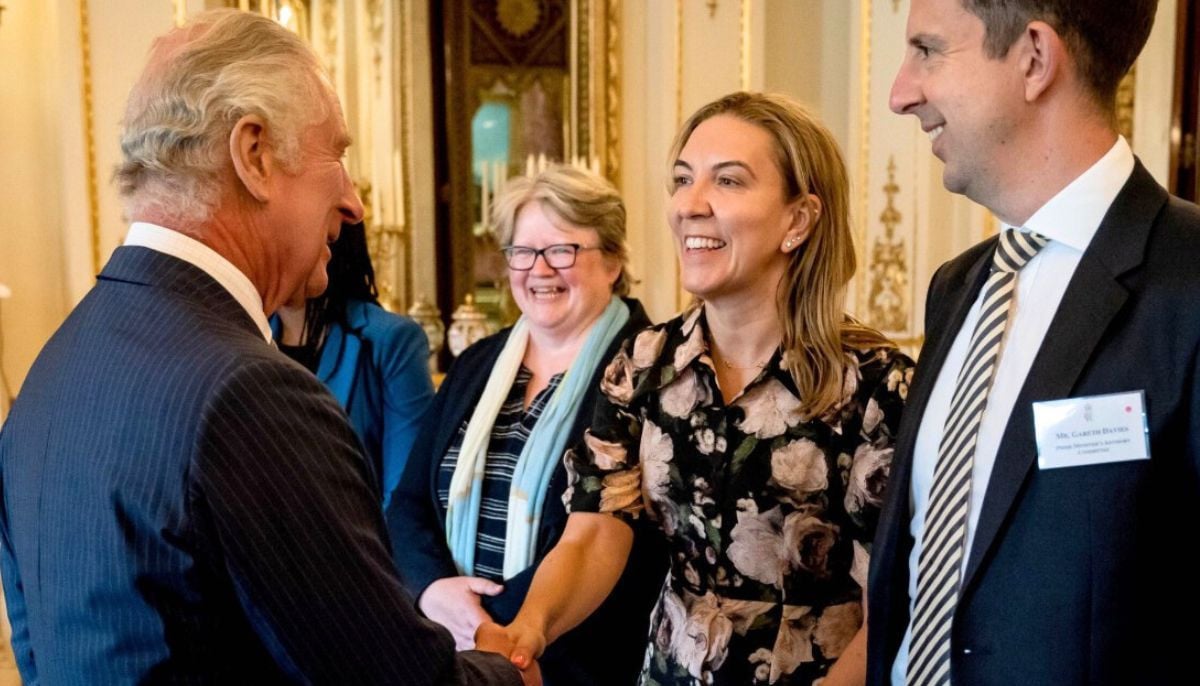 Keir Starmer appoints 'Dame Antonia Romeo' as first female head of UK service
 -
 Russia sounds alarm over Iran tension as US forces surge in region
 -
 France on red alert: Storm Pedro batters southwest following record 35 day rain streak
 -
 Headway made in Nancy Guthrie case: report
 -
 'Pulp Fiction' actor Peter Greene died in accidental gunshot, officials confirm
 -
 Three men discovered dead in Detroit basement as passerby alerts police