New Zealand reduces scientific projects in Antarctica to keep it free from coronavirus
According to reports, the number of projects was being cut from 36 to 13 across the upcoming research season from October to March
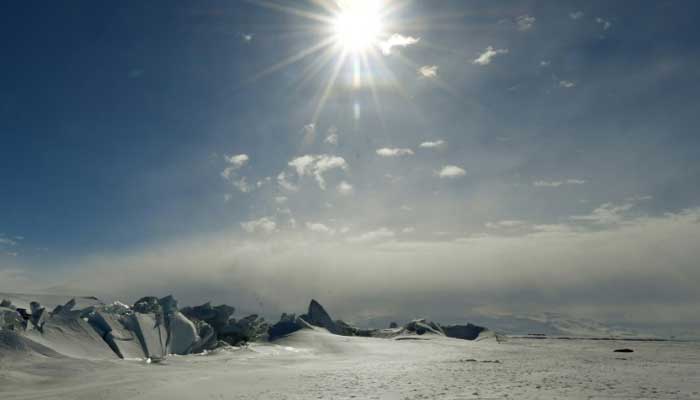
WELLINGTON: New Zealand said Tuesday it will reduce its scientific projects in Antarctica to keep the virtually uninhabited continent free from COVID-19.
Antarctica New Zealand, the government agency that does environmental research on the desolate landmass and the Southern Ocean, said limiting the number of people visiting was key to stopping the spread of the coronavirus.
The agency said it had decided to support "only long-term science monitoring, essential operational activity and planned maintenance this season" at its Scott Base after consulting other research programmes in the region.
According to reports, the number of projects was being cut from 36 to 13 across the upcoming research season from October to March.
"Antarctica New Zealand is committed to maintaining and enhancing the quality of New Zealand's Antarctic scientific research," Chief Executive Sarah Williamson said.
"However, current circumstances dictate that our ability to support science is extremely limited this season."
Antarctica New Zealand said it was developing a managed isolation plan with multiple government agencies to ensure COVID-19 does not reach the continent.
Scott Base is New Zealand's only Antarctic research station and is 3,800 kilometres (2,360 miles) south of Christchurch and 1350 km (840 miles) from the South Pole, according to Antarctica New Zealand.
Up to 86 scientists, staff and visitors can usually stay there at any one time.


-
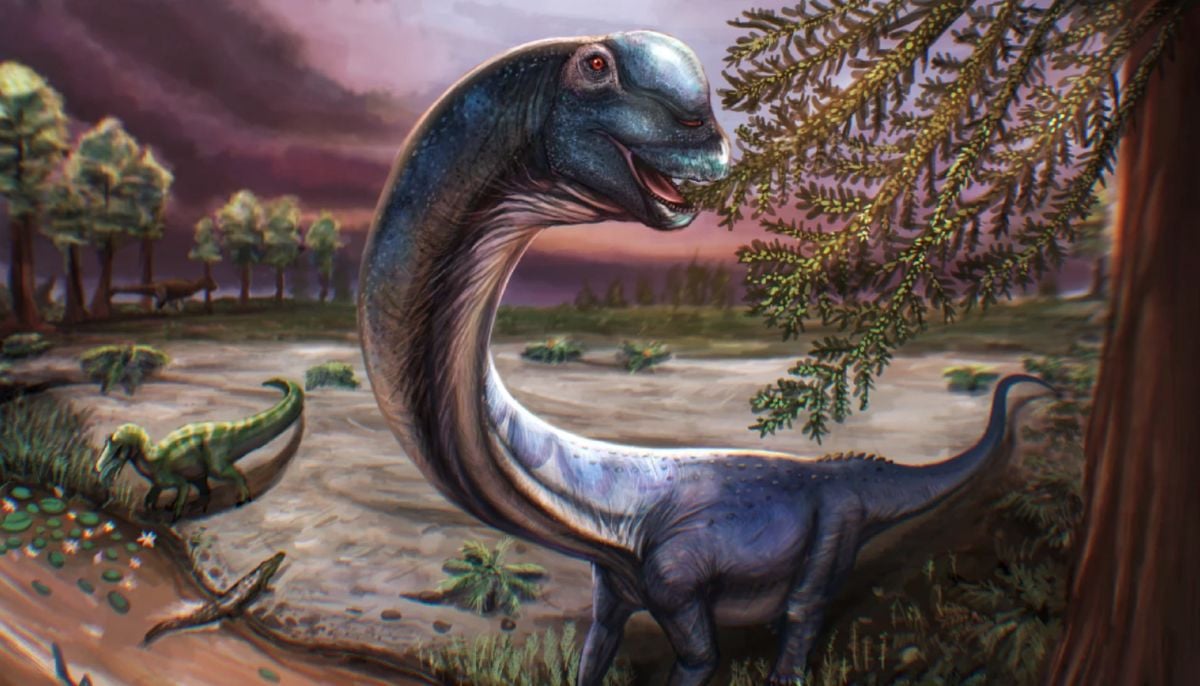 Meet the ‘last titan’: Giant new dinosaur identified from fossils in Thailand
 -
 Can we finally find aliens? Scientists reveal a surprising new ‘organizational’ approach
 -
 Study reveals how to tell real alien life from chemical fakes
 -
 Scientists find hidden third ancestral group in Japanese genomes
 -
 SpaceX ‘Space Junk’ is on a collision course with the Moon, scientists say
 -
 Do you know what happened on May 10, 1967? NASA's M2-F2 disaster explained
 -
 Why the Southern Ocean is melting: Antarctica’s sea ice resilience reaches a breaking point
 -
 Giant black holes are cosmic ‘Frankensteins’ built by mergers, new study reveals