WhatsApp announces new features to combat fake news amid coronavirus outbreak
The announcement comes after the app was being used to spread misinformation among masses
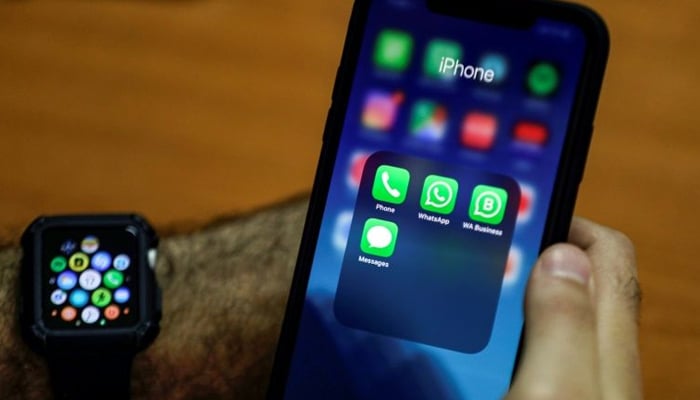
Instant-messaging application WhatsApp on Wednesday announced two new features through which it aims to fight the spread of the pandemic and the misinformation accompanying it that is stoking fears across the globe.
To reduce the spread of rumours, the app announced WhatsApp Coronavirus Information Hub — an initiative in partnership with the WHO, UNICEF and UNDP — to offer simple, actionable guidance, general tips, and resources on the infection.
WhatsApp said it was also working with WHO and UNICEF to provide messaging hotlines for people around the globe to use. It was not clear when the hotlines will be ready to use but they will provide information and will be listed on the WhatsApp Coronavirus Information Hub.
The messaging app said it was donating $1 million to the Poynter Institute's International Fact-Checking Network (IFCN) and the fund will help in fact-checking for the #CoronaVirusFacts Alliance.
"We are also pleased to be able to partner with the Poynter Institute to help grow the amount of fact-checking organizations on WhatsApp and to support their life saving work to debunk rumors. We will also continue to work directly with health ministries around the world for them to provide updates right within WhatsApp," the app's head at Facebook, Will Cathcart, said.
"We've nearly doubled server capacity for @WhatsApp, and continue to see strong reliability as people place more voice & video calls around the world," Cathcart added. "We'll continue to do all we can to keep WhatsApp up, reliable, and fast as people stay socially distant while remaining connected."
The announcement was made today as it became clearer that the app, which is used by more than 2 billion people across the globe, is being used to spread misinformation about the novel virus which has claimed more than 8,000 lives around the globe and affected 200,000.


-
 Europe launched 8 orbital rockets last year, can it rival Starlink?
 -
 Japan launches world’s first mission to bring sample back from phobos
 -
 Orionid meteor shower 2026: Peak date, viewing tips and what to expect
 -
 Why Mars looks blue in NASA’s unedited curiosity panorama?
 -
 Blue Origin upgrades new Glenn rocket launch infrastructure to take on SpaceX
 -
 NASA’s next Mars mission targets Phobos and Deimos, not Red Planet
 -
 Is AI ready to rewrite our understanding of physics?
 -
 Astronomers identify possible first green star in 27 years of research