No smoking four weeks before operation cuts risks: WHO
The WHO study was conducted in cooperation with the University of Newcastle, Australia and the World Federation of Societies of Anaesthesiologists (WFSA).
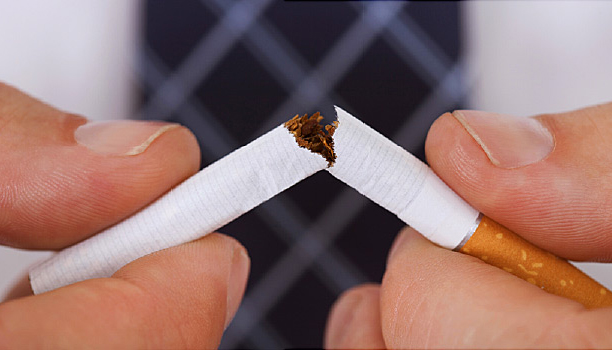
GENEVA: Patients who stop smoking at least four weeks before an operation significantly reduce the risk of having postsurgical complications because their blood flow improves, according to a study published Monday.
The World Health Organisation (WHO) study argued that minor or non-essential operations on regular smokers could be delayed to give them time to quit and thereby improve outcomes such as wound healing and heart function.
The WHO study, conducted in cooperation with the University of Newcastle, Australia and the World Federation of Societies of Anaesthesiologists (WFSA), found that every additional tobacco-free week beyond the four weeks improved health outcomes by 19 percent.
"The report provides evidence that there are advantages to postponing minor or non-emergency surgery to give patients the opportunity to quit smoking, resulting in a better health outcome," Dr Vinayak Prasad, head of the No Tobacco unit at WHO, said in a statement.
The study found that nicotine and carbon monoxide, both present in cigarettes, can decrease oxygen levels and greatly increase risk of heart-related complications.
It said the damage on lungs from tobacco smoke also made it difficult for the proper amount of air to flow through, and found that smoking could delay wound healing because of its distorting effect on the patient´s immune system.
"Smoking just one cigarette decreases the body´s ability to deliver necessary nutrients for healing after surgery," it said.
WHO said that all countries should build cessation programmes and educational campaigns into their health systems to spread awareness and help people to quit smoking.


-
 New personalized cancer vaccine cuts Melanoma recurrence risk by 42%, trial shows
 -
 Prime editing rewrites DNA inside human body for the first time
 -
 WHO investigates mystery Ebola case in Nigeria as outbreak spreads beyond DR Congo
 -
 Virginia Sen. Louise Lucas indicted on racketeering and marijuana charges
 -
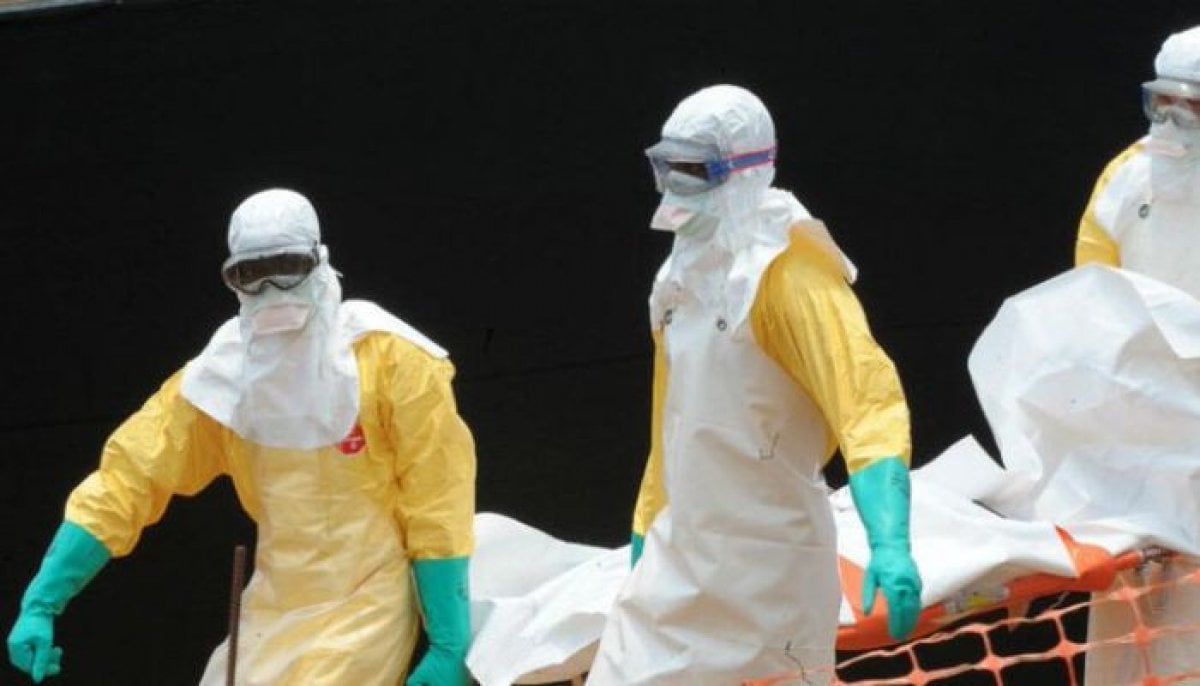 France confirms world's first human case of Shamonda virus; patient dies
 -
 OpenAI agents uncover brain disease leads: Here’s how
 -
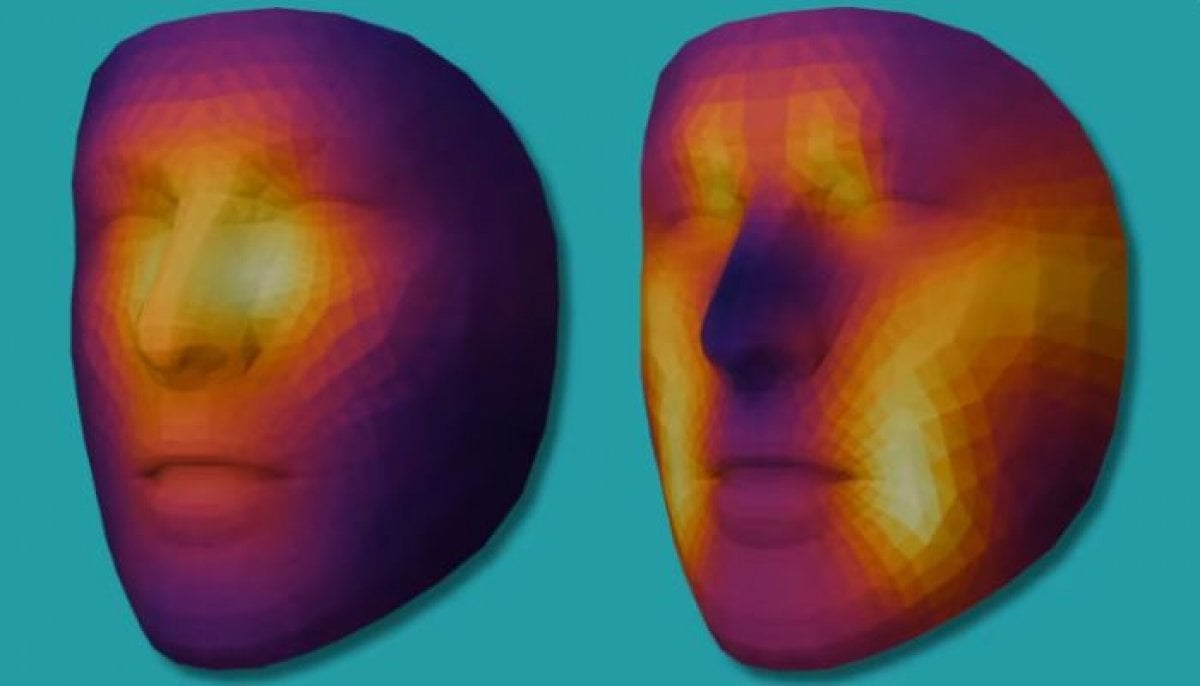 AI tool can now predict cancer survival by a single patient selfie: Find out how
 -
 Scientists identify a new type of depression affecting 1 in 4 patients
-
 Everything to know about US FDA’s new guidance on apps used with prescription drugs
 -
‘Immortal’ jellyfish could hold clues to slowing human ageing
-
Ebola crisis worsens in DR Congo as virus reaches eighth province with over 4,500 dead
-
Study finds eating blueberries every day can surprisingly boost your mood