Sony is bringing back the Walkman for its 40th anniversary
As announced on Friday at leading yearly consumer electronics trade show IFA 2019, held in Berlin, Sony will be reviving the 1979-released Walkman for its 40th anniversary edition.
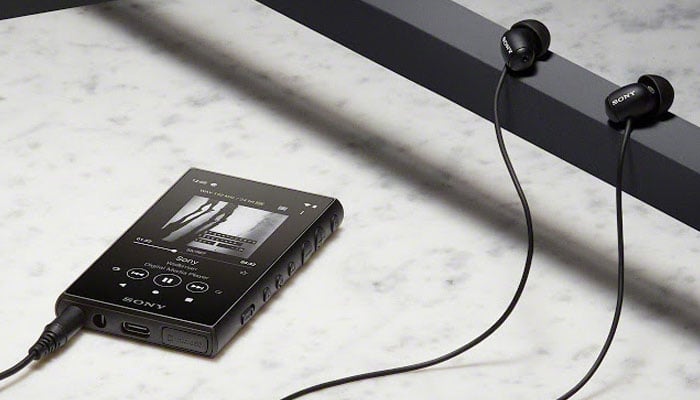
The world is in for a blast from the past as Sony is getting set to bring back its Walkman with its new and improved version.
As announced on Friday at leading yearly consumer electronics trade show IFA 2019, held in Berlin, Sony will be reviving the 1979-released portable music player for its 40th anniversary edition.
As per reports the Sony NW-A100TPS will come with a design revamp containing a case and package that marks as a tribute to the original TPS-L2 Walkman while also staying true to the original shape in some way by adding a unique cassette tape interface.
It was further revealed by the company that the new version will also be easy on the pockets, with no branding for the 40th anniversary.
The new Sony Walkman will be powered by Android and will come with features including an S-Master HX digital amplifier for high-resolution delivery of audio and minimal distortion along with a DSEE HX processor to bring up compressed audio.
On the other hand, it will also include a vinyl processor that adds a vinyl touch to digital tracks.
Moreover, the music player also boasts of a 26-hour battery life coming with a USB-C port for connections.
The release date of the Sony Walkman and the price, however, have yet to be announced.


-
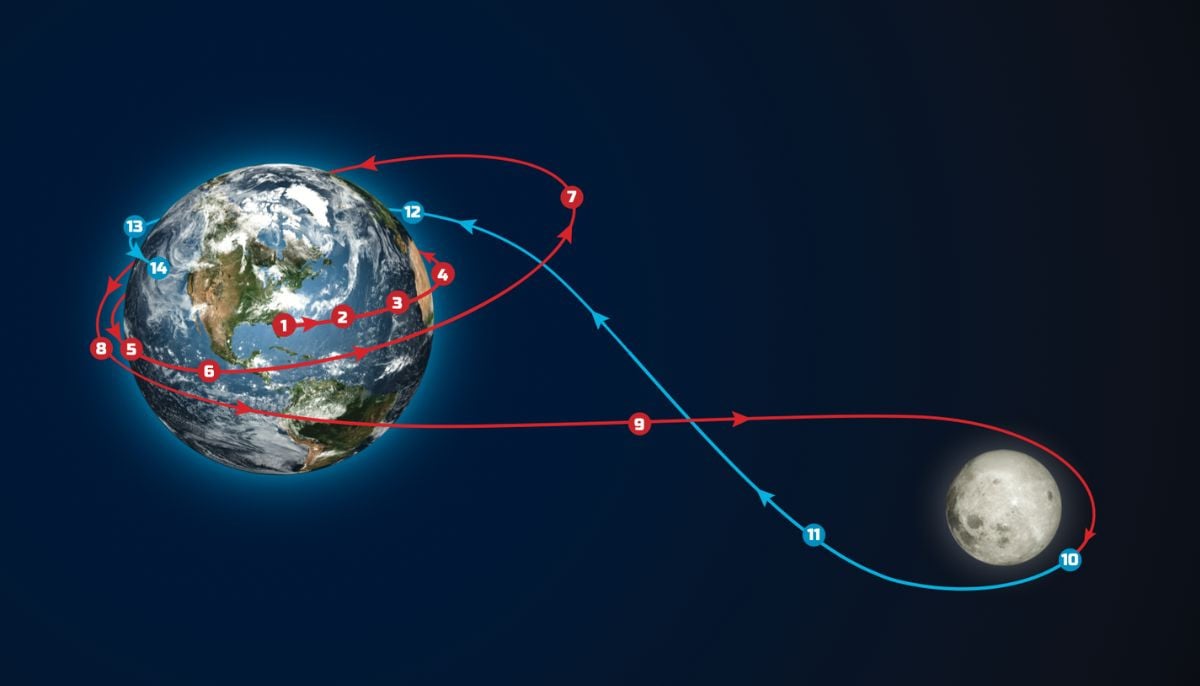 Why NASA Artemis II won’t take straight path to Moon: ‘Figure-8’ route explained
 -
 Even in space: NASA Artemis II astronauts hit Outlook glitch mid-mission
 -
 Artemis II hurtles ever closer to the lunar far side
 -
 Where is Artemis II today? Here is everything to know about NASA’s journey to the moon
 -
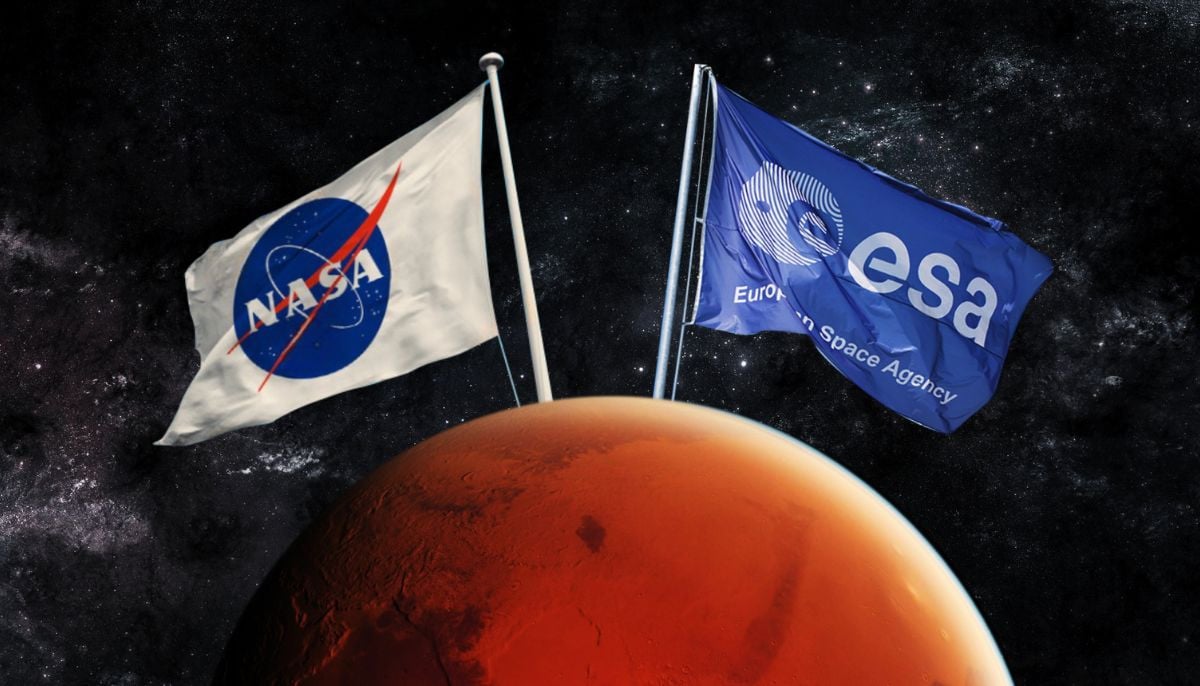 European Space Agency to negotiate with NASA on future lunar missions
 -
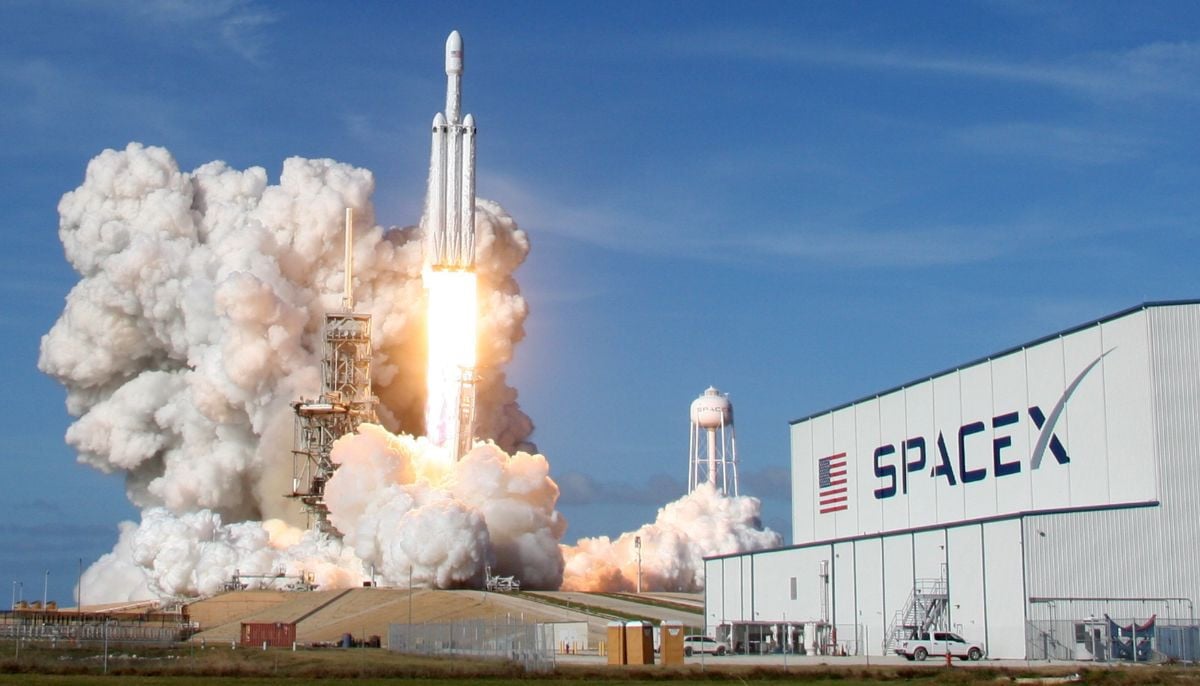 SpaceX AI satellites plan raises doubts after Microsoft setback
 -
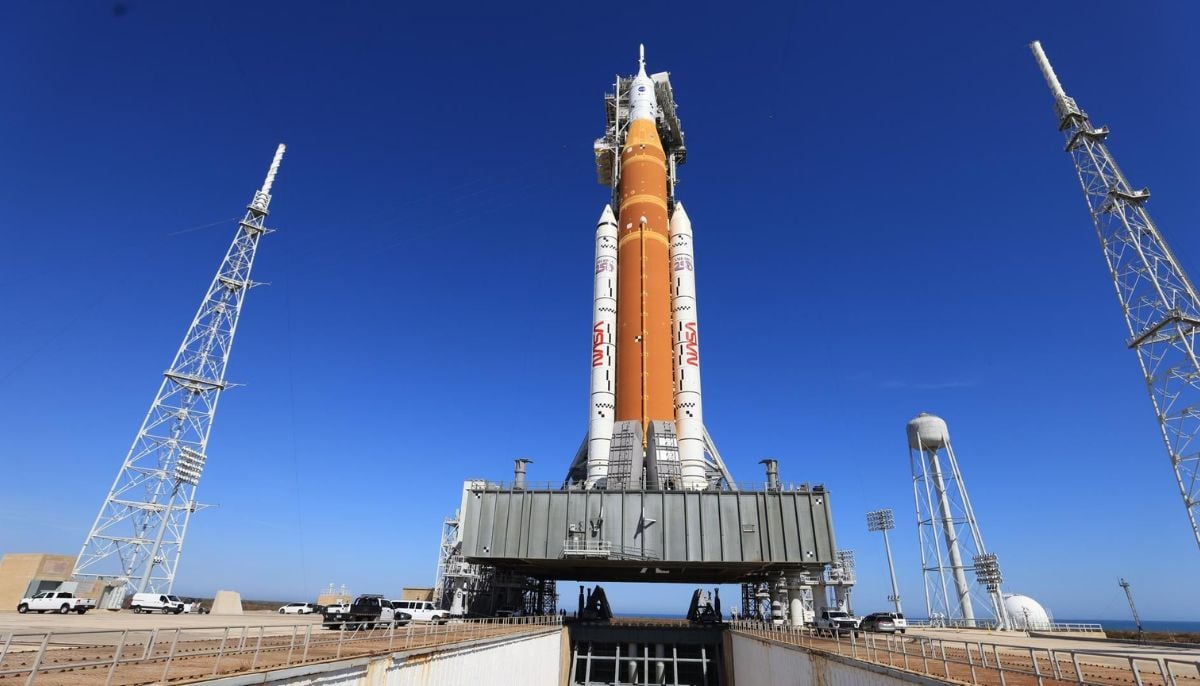 NASA Artemis II lifts off, sending cubesats into deep space study
 -
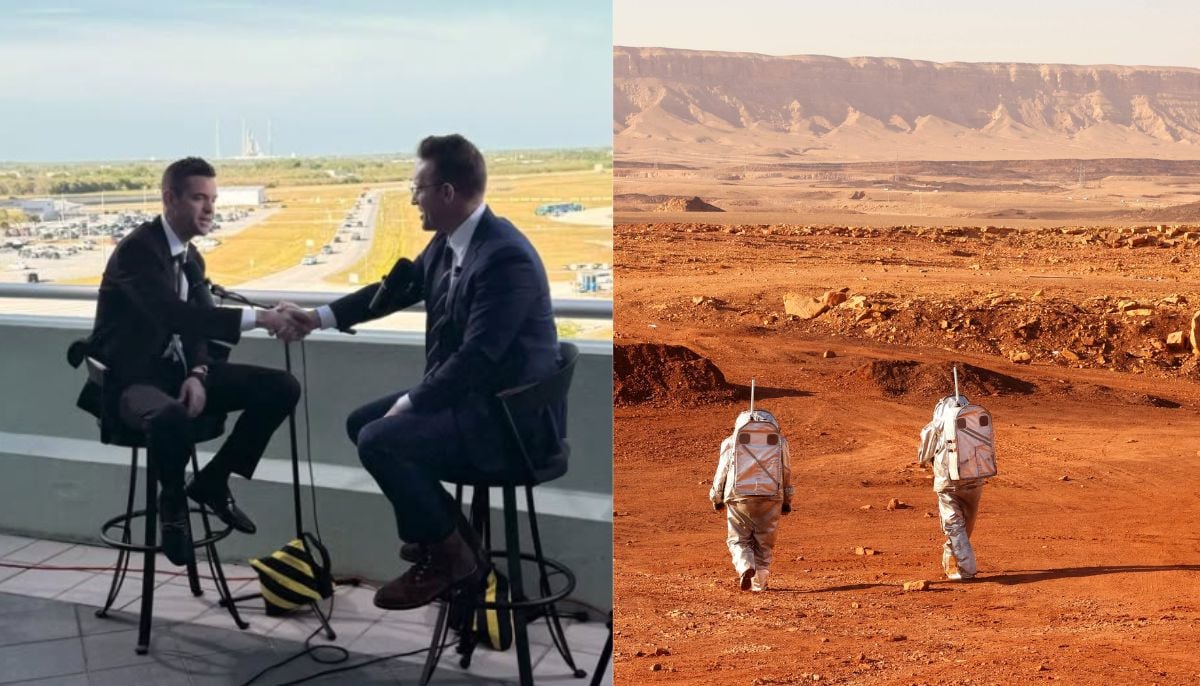 Could there be life on Mars? NASA Jared Isaacman claims chances are 90%