SpaceX launches first 60 satellites of its internet network
Billionaire Elon Musk´s firm, which is leading the private space race when it comes to rocket launches, is now looking to seize a chunk of the future space internet market.
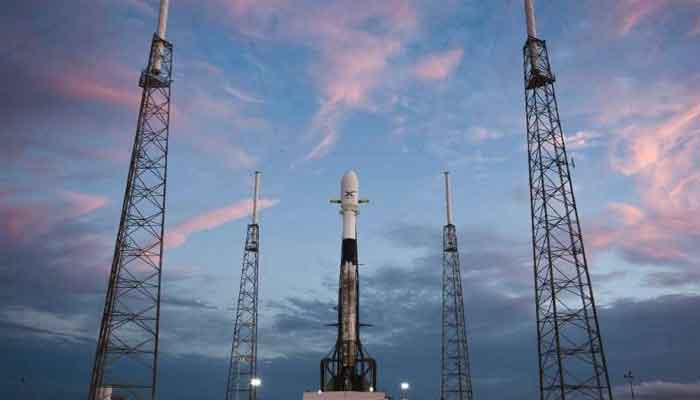
Washington: SpaceX on Thursday launched a rocket carrying the first 60 satellites of its "Starlink" constellation, which is intended to provide internet from space and could one day number 12,000 satellites.
One of the company´s Falcon 9 rockets blasted off without incident from Cape Canaveral in Florida around 10:30 pm (0230 GMT).
An hour later, the rocket began to release the satellites at an altitude of 280 miles (450 kilometers).
The satellites then had to separate and use their thrusters to take up their positions in a relatively low orbit of 340 miles (550 kilometers).
That is slightly higher than the International Space Station, but well below the majority of terrestrial satellites, the highest of which sit in a geostationary orbit of 22,400 miles (36,000 kilometers).
The launch was originally scheduled for last week but was postponed, first due to high winds and then due to the need for a software update.
Billionaire Elon Musk´s firm, which is leading the private space race when it comes to rocket launches, is now looking to seize a chunk of the future space internet market.
The launch will make it an early forerunner, along with rival OneWeb, a startup, but well ahead of Amazon´s Project Kuiper, the brainchild of Musk´s space rival Jeff Bezos.
Each of the satellites weighs just 227 kilograms (500 pounds) and was built in-house in Redmond, near Seattle.
Starlink will become operational once 800 satellites have been activated, which will require a dozen more launches.


-
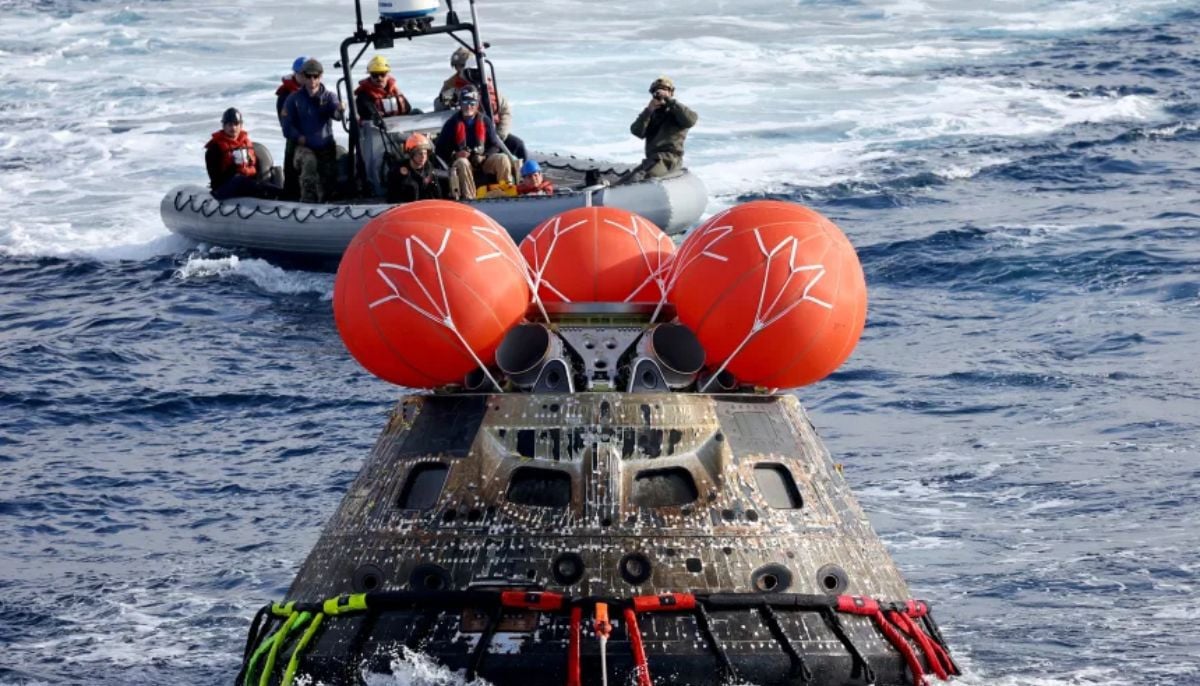 NASA Artemis II splashdown: What could go wrong on mission’s final stage
 -
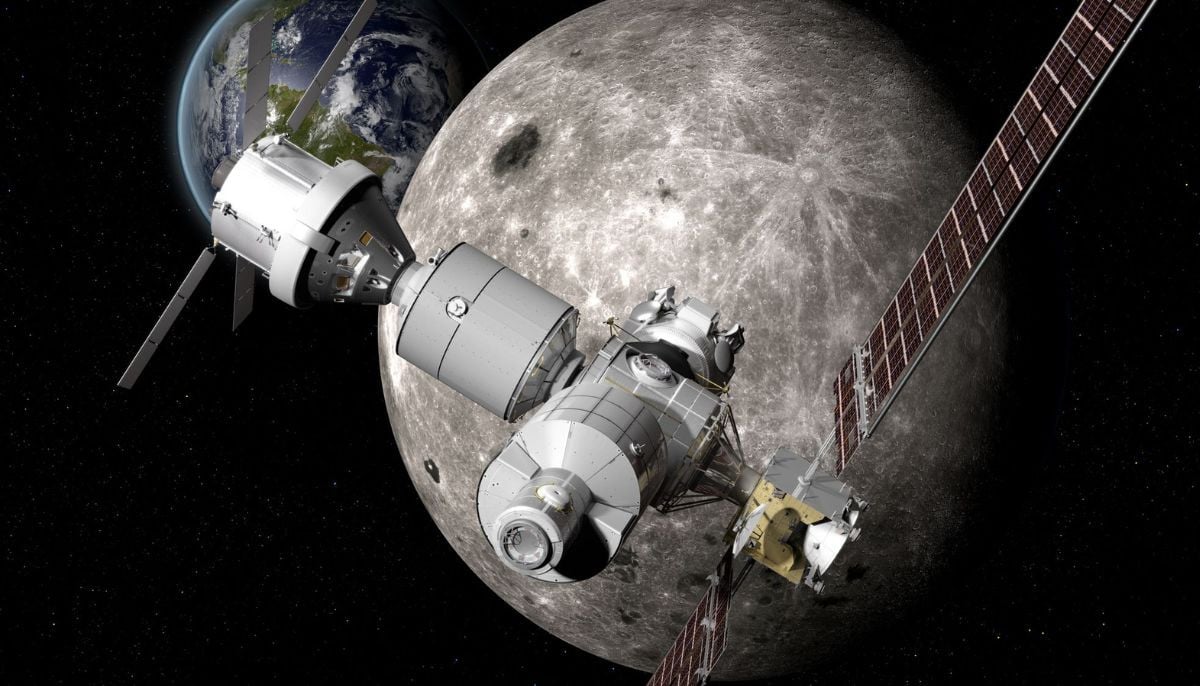 What happens to human body in deep space? NASA Artemis II will find out
 -
 Scientists find Earth’s core may be leaking gold
 -
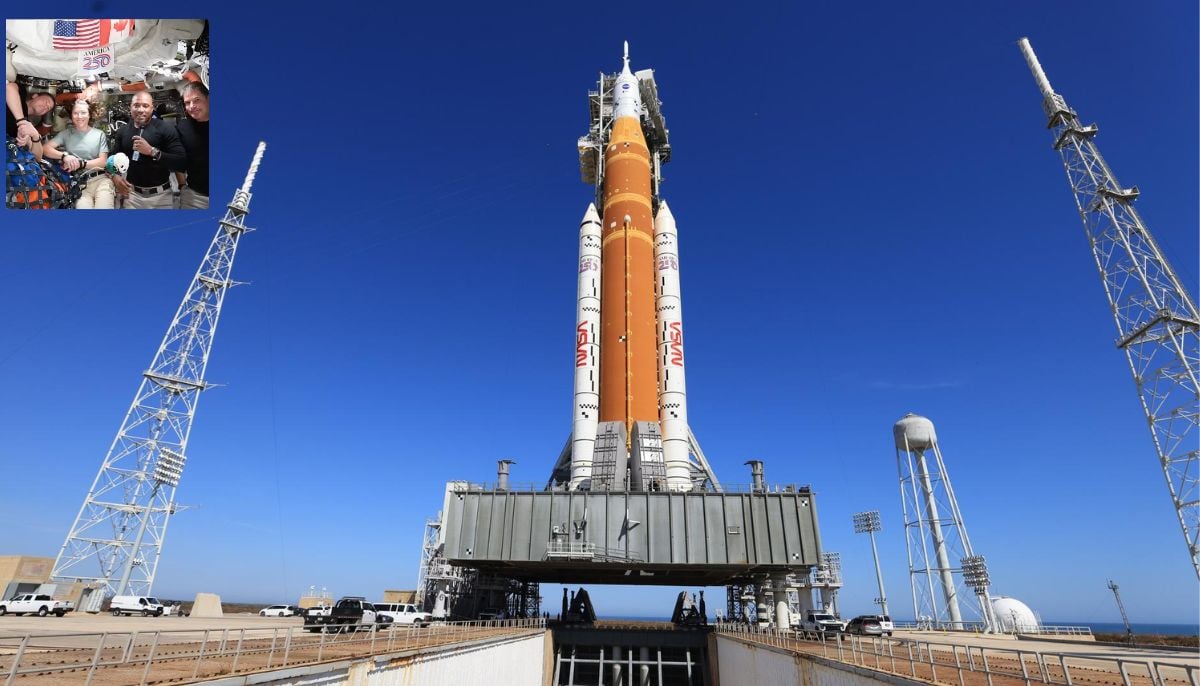 Mission for the ages: Artemis II crew returns after breaking deep-space historic records
 -
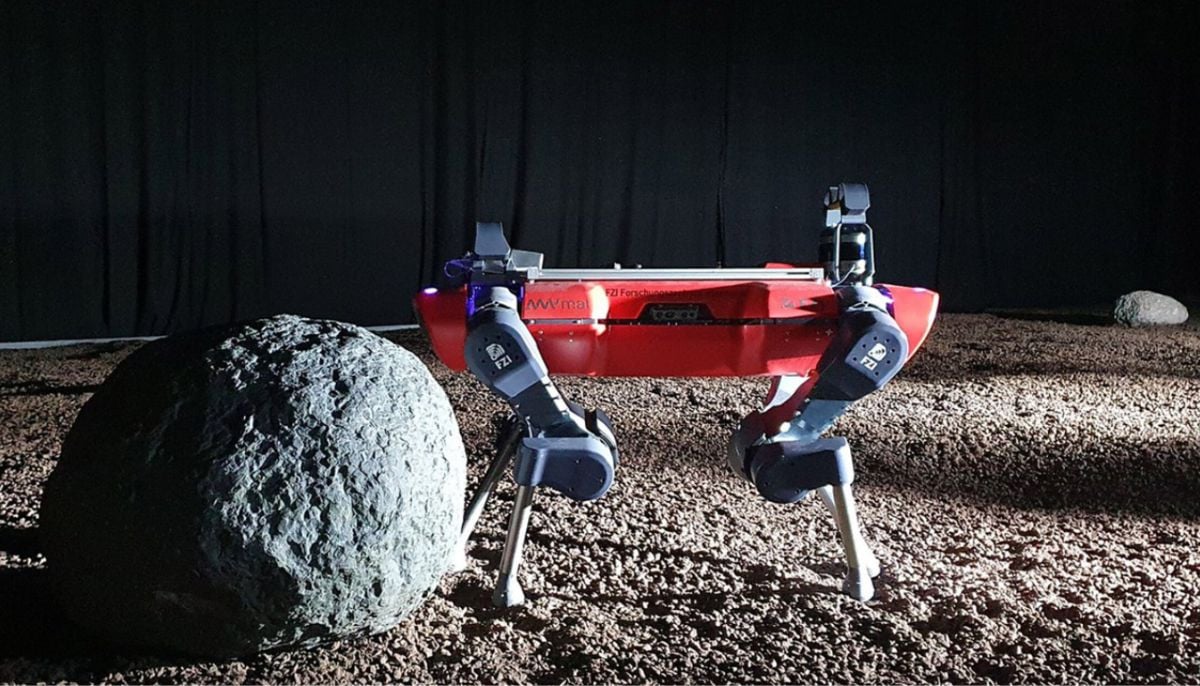 Robot dogs on Mars: Swiss researchers reveal how autonomy speeds up space exploration
 -
 From Apollo to Artemis: How astronauts honor loved ones with lunar names
 -
 Emperor penguins on verge of extinction: ‘A grim story shaped by climate change’
 -
 NASA Artemis II crew prepares Earth return after historic Moon mission