
Abortion bans around the world
The focus this week of a referendum in Ireland and a supreme court challenge in South Korea, abortion is still banned in some 20 countries worldwide, while others have highly restrictive laws in place.
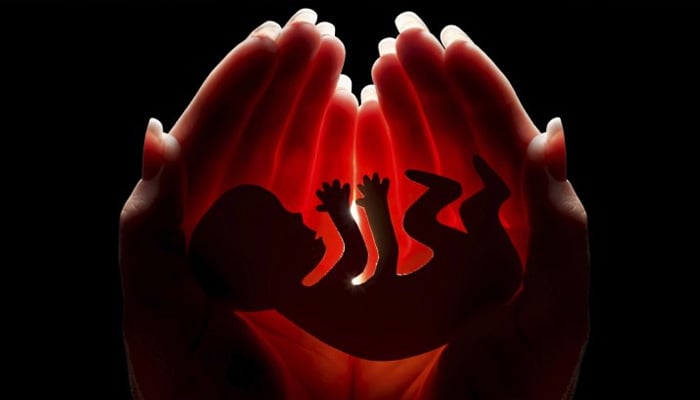
PARIS: The focus this week of a referendum in Ireland and a supreme court challenge in South Korea, abortion is still banned in some 20 countries worldwide, while others have highly restrictive laws in place.
On Thursday in South Korea the supreme court will consider repealing a law where abortion is illegal except for instances of rape, incest and when the mother´s health is at risk.
And in Ireland on Friday voters will decide in a referendum on whether to repeal their own law, which outlaws abortion unless there is a real and substantial risk to the mother´s life.
Here is a snapshot of the global situation on abortion in countries where the laws are the most restrictive.
Total ban
Predominantly Catholic Malta is the only European Union country to totally ban abortion, imposing jail terms of between 18 months and three years if the law is broken.
Abortion is also banned in Andorra, the Vatican and San Marino, which are in Europe but not the EU.
Globally there are total bans in Congo-Brazzaville, Democratic Republic of Congo, Dominican Republic, Egypt, El Salvador, Gabon, Guinea-Bissau, Haiti, Honduras, Laos, Madagascar, Mauritania, Nicaragua, Philippines, Palau, Senegal and Suriname.
In El Salvador the internationally criticised criminalisation of those found to have terminated pregnancies has led to women being jailed, some serving terms of up to 30 years.
Restricted
Many countries allow abortions in cases where the mother´s life is deemed to be in danger.
A partial list includes: Afghanistan, Bangladesh, Guatemala, Iraq, Ivory Coast, Lebanon, Myanmar, Oman, Paraguay, Somalia, South Sudan, Syria, Uganda, Venezuela, West Bank/Gaza and Yemen.
Last September Chile ended its strict ban, which had been in force for decades, when then president Michelle Bachelet signed into law legislation to decriminalise abortion in certain cases, including on health issues.
In Brazil a bill is under consideration in congress that would ban access to all abortions, even in cases of rape and for women whose lives are in danger.
Unlike the rest of the United Kingdom, abortion is also illegal in the province of Northern Ireland except when the mother´s life is in danger. The British government said in June 2017 it will fund abortions in England for women arriving from Northern Ireland.
Other countries also allow abortions only in cases of rape or threat to the mother´s or baby´s health.
In EU member Poland, which has one of the most restrictive abortion laws in the bloc, a new bill, which could pass in parliament where conservatives have a majority, would outlaw abortion except in cases where the mother has been raped or is a victim of incest.
In the United States abortion was legalised nationwide in 1973, but has been under pressure since Donald Trump became president, with some Republicans seeking restrictions.
The US state of Iowa in early May signed into law a ban on abortions once a foetal heartbeat is detected, which occurs as early as six weeks into a pregnancy. The Midwestern state now has the strictest legislation on abortion in the US.




-
 Chicago child, 8, dead after 'months of abuse, starvation', two arrested
 -
 Funeral home owner sentenced to 40 years for selling corpses, faking ashes
 -
 Australia’s Liberal-National coalition reunites after brief split over hate laws
 -
 Savannah Guthrie addresses ransom demands made by her mother Nancy's kidnappers
 -
 Washington Post CEO William Lewis resigns after sweeping layoffs
 -
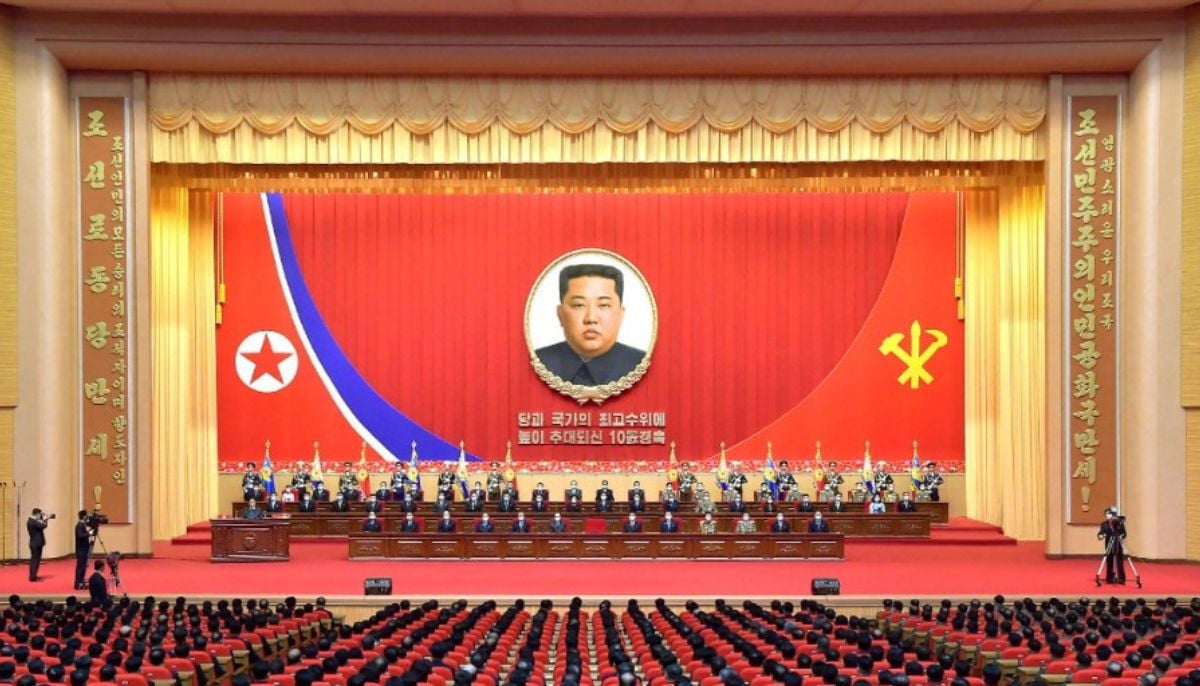 North Korea to hold 9th Workers’ Party Congress in late February
 -
 Factory explosion in North China leaves eight dead
 -
 Trump hosts Honduran president Nasry Asfura at Mar-a-Lago to discuss trade, security