3D printed electric cars to take over in 2019
Shanghai’s 3D printing Cultural Museum showcased a display of world’s first 3D printing electric vehicle named LSEV. The tech-genus is expected to be made available in the markets by April 2019
Shanghai’s 3D printing Cultural Museum showcased a display of world’s first 3D printing electric vehicle named LSEV. The tech-genius is expected to be made available in the markets by April 2019.
The startup electric vehicle company is exhibiting its first 3D-printed LSEV at Shanghai’s China 3D printing Cultural Museum before its show at the Auto China 2018 in Beijing. Enthusiasts will have to wait another year.
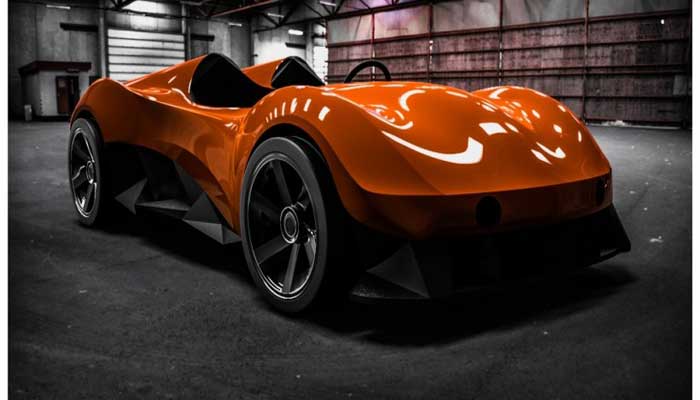
The designers and producers, XEV Limited and Polymaker claim that all the components of LSEV are 3D printed and made from refined and innovative material of corn.
The 3D assembly line saves up to two thirds more time than the traditional assembly line of automobiles.
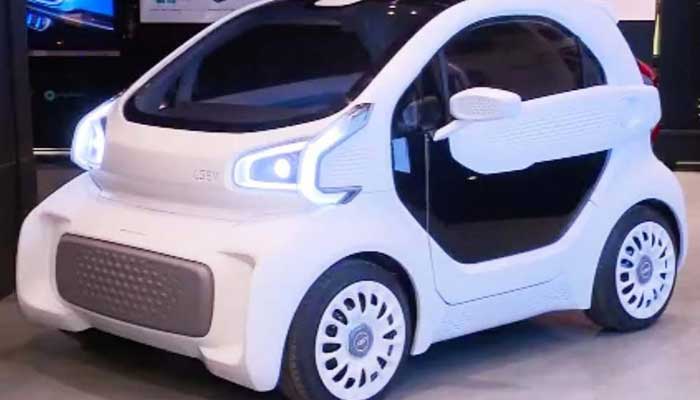
The LSEV is made up of 57 different components and has a weight of 450 kilograms. 7000 orders for the hybrid car have already been registered from Europe alone. The LSEVs will mostly be used for post logistics and time-sharing lease.
The utilization of 3D printing technologies will make way for decrease in plastic parts and number of components in a car from 2,000 to 57. The investment cost will also be reduced from 70 percent in comparison to traditional cars.


-
 Mysterious ‘phoenix planet’ found around the remains of a dying star
 -
 First possible evidence of Planet Nine found in infrared data
 -
 Elon Musk announces SpaceXAI rebrand to SpaceXSI following presidential order on 'Super Intelligence'
 -
 ISS Command changes hands in emotional ceremony
 -
 Moon water acts nothing like it does on Earth, study finds
 -
 Hawaii’s Hōlei sea arch collapses after centuries on Big Island: What happened
 -
 Solar system may have a much shorter lifespan than we thought
 -
 Singapore builds world’s ultra-precise clock outperforming US, China