
RIYADH: Saudi Arabia's King Salman issued a royal decree on Saturday restoring financial allowances for civil servants and military personnel that had been cut under austerity measures.
"The royal order returns all allowances, financial benefits, and bonuses to civil servants and military staff," said the decree, broadcast on state-run Ekhbariya TV.
In September Saudi Arabia cut ministers' salaries by 20 percent and scaled back financial perks for public sector employees in one of the energy-rich kingdom's most drastic measures to save money at a time of low oil prices.
The measures were the first pay cuts for government employees, who make up about two-thirds of working Saudis.
The decree said they were a response to the sharp drop in the price of oil, the main source of state revenues.
It said the measures had helped the kingdom begin achieving the objectives set out in its economic reform program, Vision 2030, which include improving state revenues and curbing the budget deficit.
Other decrees appointed one of Salman's sons, Prince Khaled bin Salman, ambassador in Washington and another, Prince Abdulaziz bin Salman, state minister for energy affairs.
Further decrees replaced the kingdom's information and civil service ministers and set up a committee to investigate allegations of abuse of the civil service office.
A national security center was established under the royal court and Ibrahim al-Omar was named governor of the Saudi Arabian General Investment Authority, known as Sagia.


-
 Poll reveals majority of Americans' views on Bad Bunny
 -
 Man convicted after DNA links him to 20-year-old rape case
 -
 California cop accused of using bogus 911 calls to reach ex-partner
 -
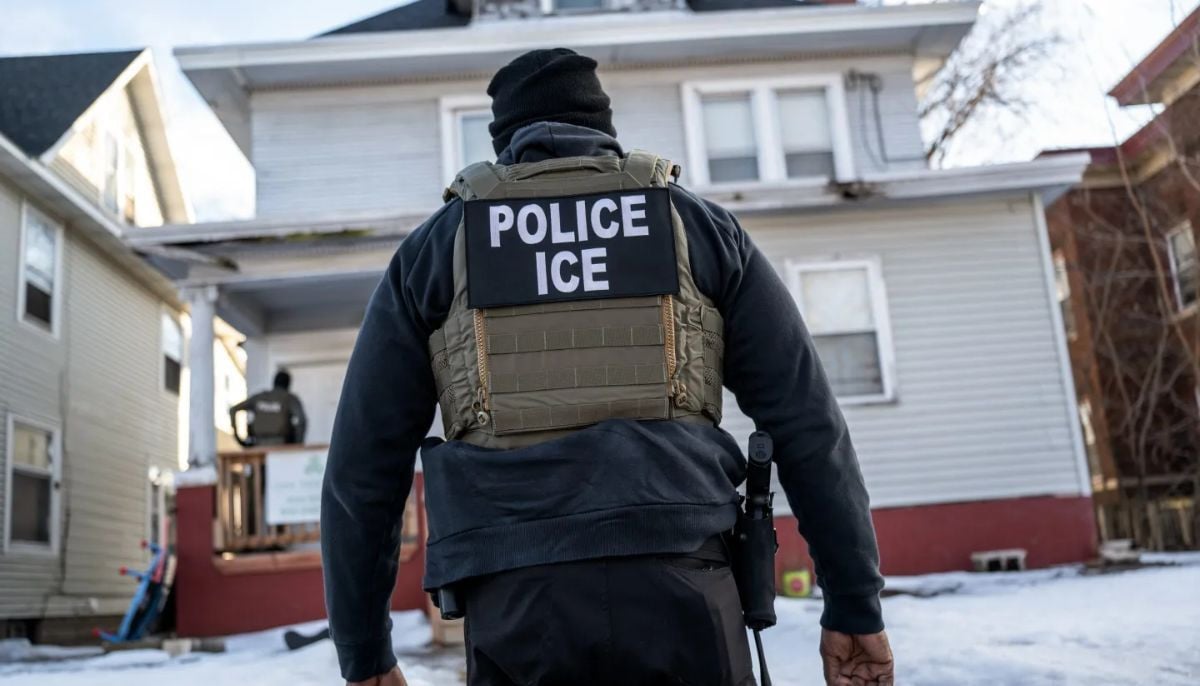 'Elderly' nanny arrested by ICE outside employer's home, freed after judge's order
 -
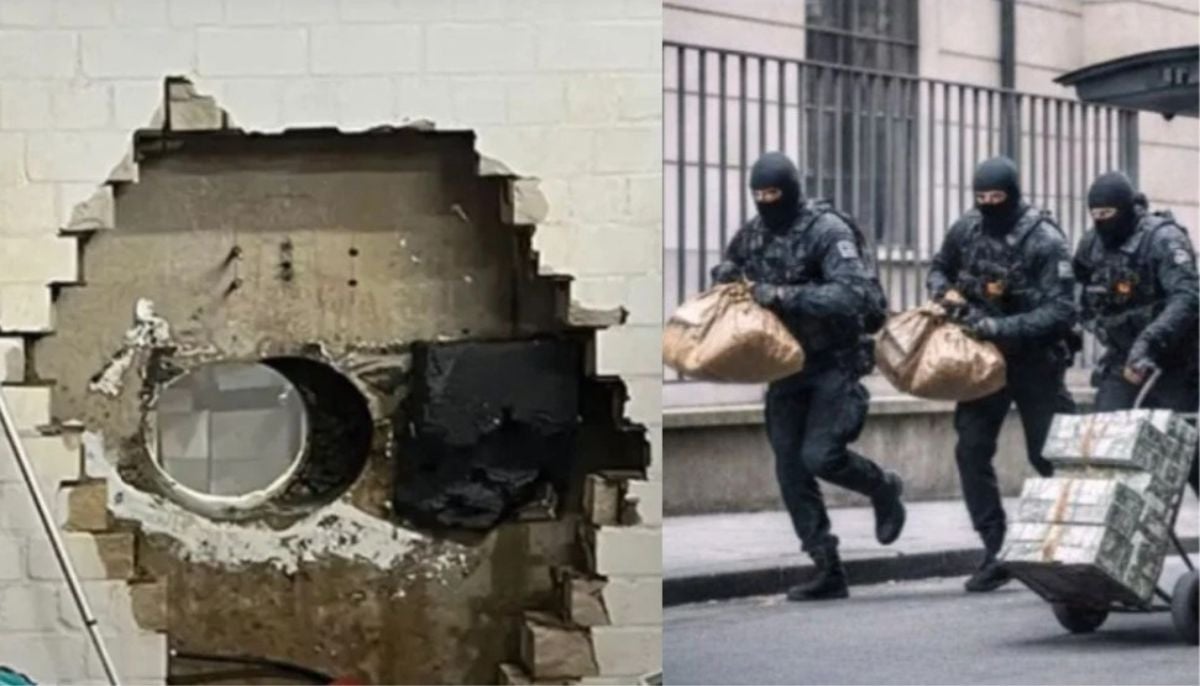 key details from Germany's multimillion-euro heist revealed
 -
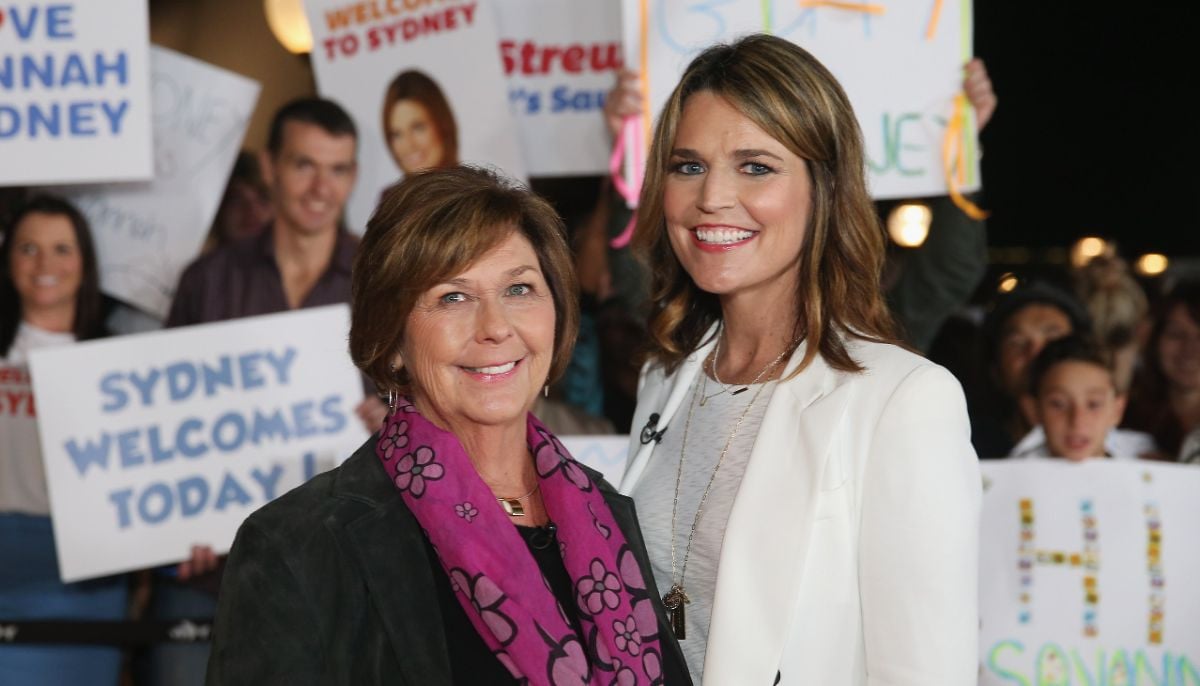 Search for Savannah Guthrie’s abducted mom enters unthinkable phase
 -
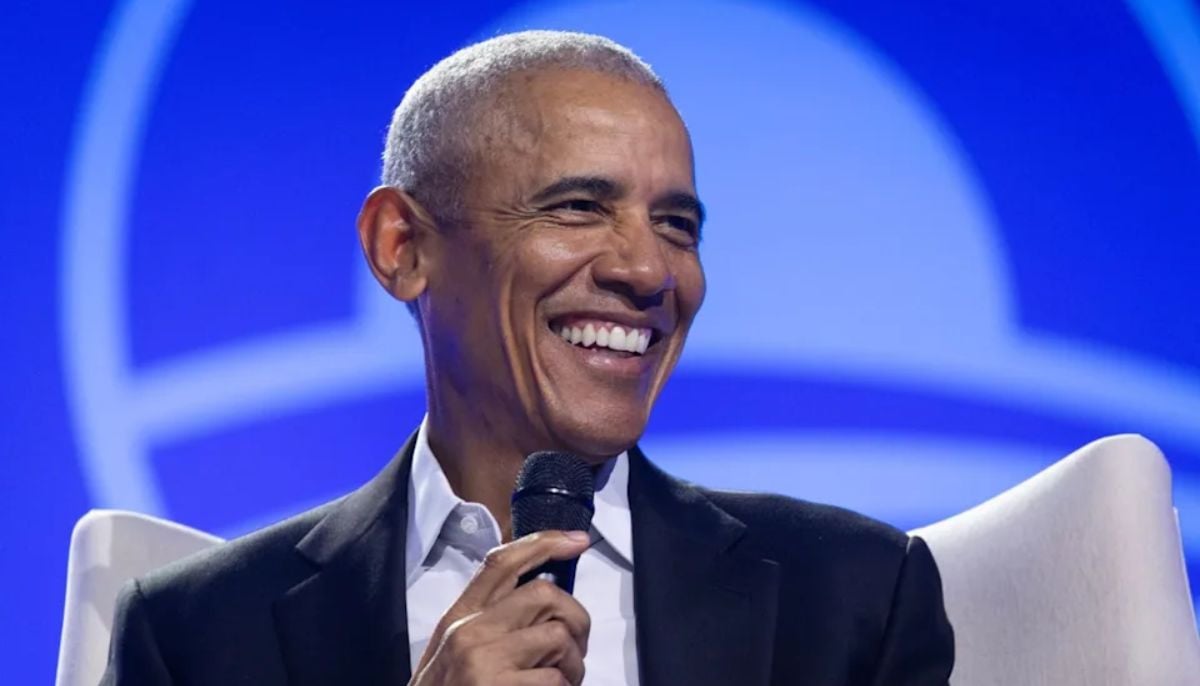 Barack Obama addresses UFO mystery: Aliens are ‘real’ but debunks Area 51 conspiracy theories
 -
 Rosie O’Donnell secretly returned to US to test safety