TOKYO: Iran's monthly oil exports are set to climb slightly in February, as Indonesia takes its first shipment since sanctions on Tehran were lifted last year, a person with knowledge of Iran's tanker loading schedule said.
Volumes remain below last September's high, however, suggesting that Iran has had difficulty finding more buyers for its oil, even after being exempt from production cuts agreed by the Organization of the Petroleum Exporting Countries (OPEC) and other exporters last November.
Traders had expected it to raise output slightly and boost exports to reclaim market share.
Crude and condensate exports for February will be just over 2.20 million barrels per day (bpd), up from 2.16 million bpd this month, which is the lowest rate since July, the person said. Exports rose to as high as nearly 2.6 million bpd in September.
While crude and condensate exports have slipped, Iran is planning to significantly boost oil product exports this year as it refurbishes refineries, said Abbas Kazemi, Iran's deputy minister of petroleum and president of its national oil refining company NIORDIC.
"In 2017 I see about 600,000 barrels per day of oil product exports. That is the plan," Kazemi told Reuters at an oil conference in Tokyo on Thursday.
Products will include fuel oil, gasoil and kerosene, he said.
Crude oil loadings for Asia, where Iran's biggest customers are located, are set to rise to a three-month high of nearly 1.5 million bpd in February. Loadings for January, meanwhile, have been running a little above 1.46 million bpd.
Indonesia is expected to lift nearly 34,000 bpd in February, according to the source.
Exports to Europe are set to total a little more than 610,000 bpd in January and nearly 590,000 in February, compared with a high of almost 800,000 bpd in December, the most since the sanctions were lifted.
The Netherlands is lifting its first crude and loading nearly 70,000 bpd this month, according to the source. It earlier bought condensate from Iran.
That ties in with information from oil trading and shipping sources who told Reuters that two Iranian-owned oil tankers are sailing to Rotterdam, the heart of northern Europe's refining and trading hub.
The development shows Iran breaking through yet another barrier in its bid to regain oil market share lost during years of international sanctions that hindered its sale of crude oil and condensates to the international market.
Iran had been ramping up shipments of oil on foreign owned tankers since restrictions on ship insurance were eased last April. They will be eased further from next month.
In the last month supertankers owned by Greek and Croatian owners have hauled Iranian crude from Kharg Island to Spain, Italy and Thailand according to ship tracking data on the Reuters Eikon terminal.
Italy is loading about 32,000 bpd in January and nearly 110,000 bpd in February, while Spain is loading a similar amount in January and just above 70,000 bpd in February.
"Italy and Spain used to be quite enthusiastic buyers of Iranian crude ... In 2011 they were accounting for respectively 7 and 6 percent of Iranian oil exports," said Ralph Leszczynski, head of research at ship broker Banchero Costa in Singapore.


-
 Asia shares jump after Trump hints Iran conflict could end in '2-3 weeks'
 -
 Unilever eyes $60B food empire in landmark deal with McCormick
 -
 Korean Air triggers emergency management mode as fuel prices soar
 -
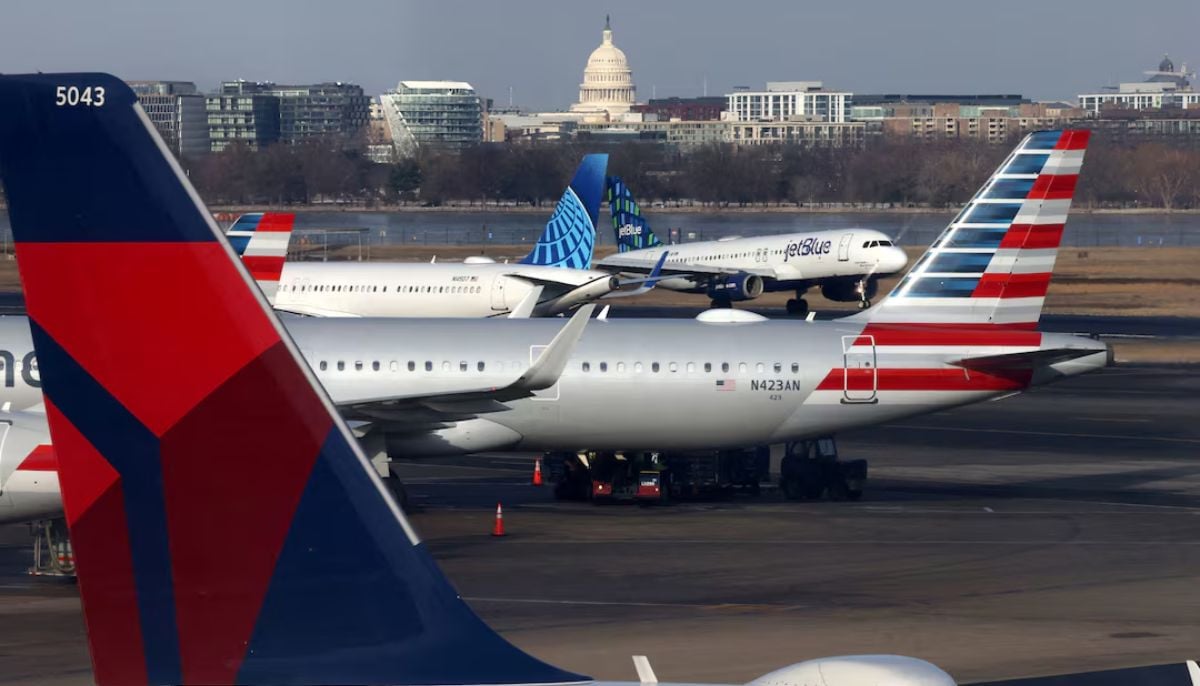 Oil surge tests US airlines, opens door for industry shakeout
 -
 Iran conflict sends oil above $115, triggers Asia market sell-off
 -
 Is ChatGPT's growth hiding bigger financial risk?
 -
 xAI’s last original co-founder leaves company
 -
 Economic outlook: How AI could reshape London’s business landscape
-
 Gold’s price drop explained: Drivers, risks and 2026 outlook
 -
NSF fee changes in place across Canada as government limits charges on personal accounts
-
Adobe stocks drop after strong revenue but weak guidance for next quarter
-
Canada interest rates: what to expect amid rising oil prices and global uncertainty