Global memory chip crunch puts spotlight on Apple; Will iPhone become more pricey?
Analysts warn higher component costs could squeeze margins or push Apple to raise prices on upcoming models
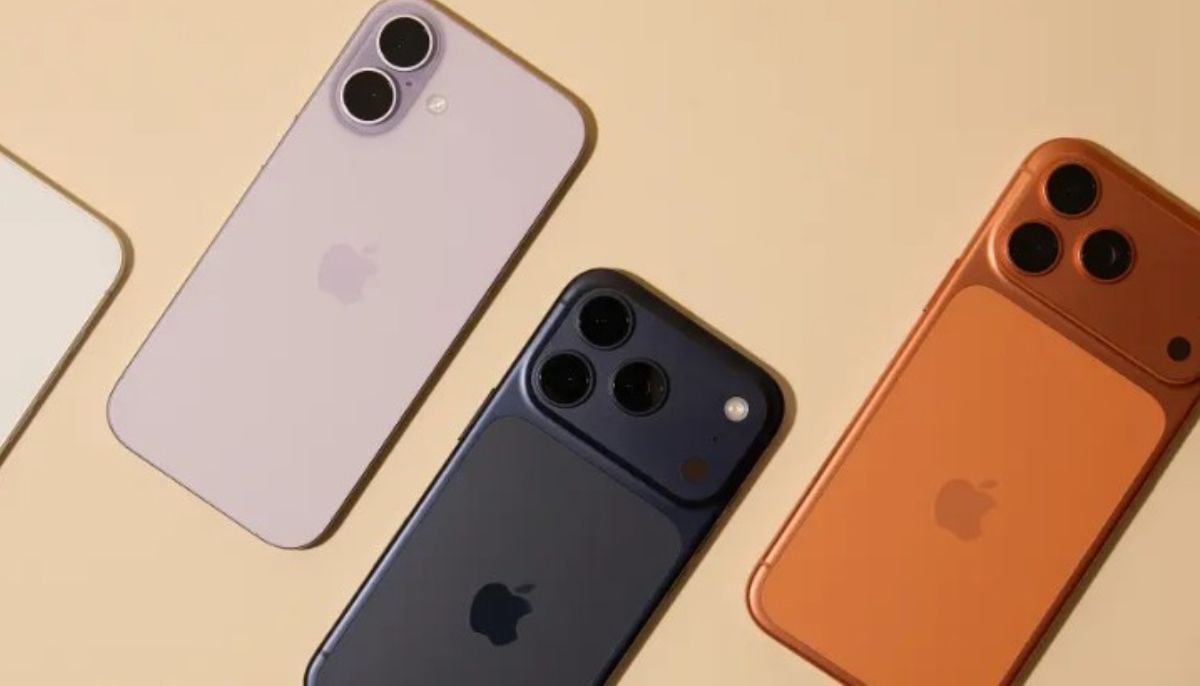
AI chip demand is surging day by day, making it more challenging for tech industries' supply chain mechanism to fulfill orders, which is why the cellular companies are forced to raise prices.
As the global memory chip shortage hits the smartphone market, a key question is echoing from Silicon Valley: will Apple raise prices or sacrifice profit to gain new customers?
The iPhone maker predicted strong sales growth last week, spurred by demand for its iPhone 17 models.
CEO Tim Cook told investors he expected memory chip prices to increase sharply but declined to answer analysts' questions about whether Apple would raise prices in response.
"There are different levers that we can push, and who knows how successful they'll be, but there's just a range of options," Cook said on the post-earnings call.
He did not address whether the shortage offered Apple a chance to increase its iPhone and Mac market share by maintaining prices at the expense of rivals who might have greater supply constraints.
Analysts assume that even amid a shortage, Apple has the clout with longtime suppliers such as Samsung Electronics, SK Hynix, and Micron to secure enough chips to make iPhones, unlike smaller phone makers.
A rapid build-out of AI infrastructure by tech firms such as Meta, Google, and Microsoft has absorbed much of the supply of memory chips, lifting prices as manufacturers prioritize components for higher-margin data centers over consumer devices.
Memory chips, or DRAM, are crucial to smartphones, as they allow power-hungry applications to run smoothly.
How Apple's decision will shape industry decisions:
Apple's decision will likely have far-reaching consequences.
By some estimates, the company led the global smartphone market last year with a nearly 10% rise in shipments.
If it holds prices while smaller rivals raise theirs as analysts expect, iPhones would look more attractive. If Apple hikes prices, that would give competitors room to follow.
"This is the biggest question for the industry now," said Nabila Popal, a senior research director at IDC. "This is a two-sided sword because if Apple doesn't raise prices, while it will help grow market share, it will also upset investors."
This stacked bar chart visualizes 2023–2025 smartphone market share.
The memory chip crunch faced by these competitors is in part expected to drive this year the first annual decline in the global smartphone market since 2023, according to IDC data.
Qualcomm, the world's biggest designer of smartphone chips and a major supplier for high-end Android phones, fanned those fears on Wednesday with a forecast that missed Wall Street estimates due to a lack of memory chips at its handset customers.
The company's finance chief, Akash Palkhiwala, said that key customers in China don't have enough memory chips to build phones, despite robust demand from customers.
"We've seen several OEMs (device makers), especially in China, take actions to reduce their handset build plans and channel inventory," Palkhiwala said.
On Qualcomm's conference call, analysts again pointed to Apple. "It just seems like they are going to continue to get a disproportionate share of the available DRAM," said Ben Reitzes of Melius Research.
One veteran smartphone industry executive, who asked not to be named because he was discussing sensitive supply matters, said Android phone makers are cautiously watching if Apple will increase prices.
"If Apple absorbs their whole memory increase and doesn't change their phone price, then the Android phones become more expensive, and how much volume they expect to have is going to be a question," the executive said.
Some Apple investors think a price hike is coming.
"Apple generally holds priority over competitors ... but is immune to market shortages," said Dan Morgan, portfolio manager at Synovus Trust. "Apple will most likely continue to raise prices on newer iPhone model introductions," Morgan added.
What Samsung does could also influence matters.
Analysts believe the South Korean company's phone division may also be able to absorb memory price increases because it sources memory from another Samsung unit.
"We're observing Apple and Samsung," said eMarketer analyst Gadjo Sevilla. "If they raise prices, then they raise the ceiling, and other manufacturers will likely need to adjust pricing."


-
 Tesla drops as spending cuts raise questions about AI and robotics plans
 -
 Barclays to cut 5,000 jobs as AI reshapes banking
 -
 China's brain-computer interface market could reach $920m by 2028
 -
 Bombardier shares rise as Trump drops threat to block aircraft sales in US
 -
 OpenAI seek to raise $30 billion at $1.4 trillion valuation ahead of Anthropic IPO
 -
 Supreme Court rejects Google challenge to patent office review policy: Here's why
 -
 Netflix faces scrutiny over user engagement ahead of Q3 report
 -
 Meta and Tesla are set to report earnings next week: What to know