China's brain-computer interface market could reach $920m by 2028
China chairs the ISO/IEC subcommittee drafting BCI rules as Beijing names the technology a national priority
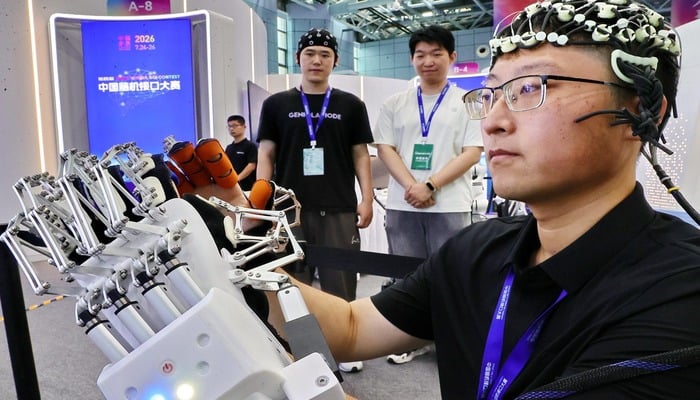
China's brain-computer interface market is projected to reach 6.14 billion yuan (US$919.88 million) by 2028, growing 17.7% a year from 2024, according to the China Centre for Information Industry Development. The bigger prize, though, may be the rulebook.
China holds the chair and secretariat of ISO/IEC JTC 1/SC 43, the international subcommittee drafting global standards for how brains and computers communicate. It has held both since the group was created.
The group is led by Yu Yuntao from the China Electronics Standardisation Institute. It has already issued the standards relating to the BCI vocabulary, format of non-invasive brain data collection, architecture and examples of use. The US delegation was involved in drafting those standards.
According to Xiaomeng Lu, Director of Geo-technology at Eurasia Group, ISO is the de facto global industry standard, with huge commercial implications.
According to Altynay Junusova, a MERICS analyst from Berlin, the dominance of China in creating the document can allow it to establish the rules on which all other BCIs will be developed. She emphasises that Chinese companies require foreign markets for the best products.
BCI is among the "six industries of the future" included in China's 15th Five-Year Plan, and it was first mentioned in the Government Work Report to the National People's Congress this year. The offices of the Central Committee of the Communist Party and the State Council both called for accelerated industrialisation and commercialisation on Wednesday.
Lu says Beijing treats BCI as a potential next EV sector and that Chinese companies are "fast followers" of Elon Musk's Neuralink. In July, Shanghai-based Neuracle Medical Technology carried out what it calls the world's first commercial BCI surgery. Lu adds that Washington has paid the field little attention so far.
ISO's own listing says the subcommittee's scope excludes standards for human implants and medical applications.


-
 Bombardier shares rise as Trump drops threat to block aircraft sales in US
-
 OpenAI seek to raise $30 billion at $1.4 trillion valuation ahead of Anthropic IPO
-
 Supreme Court rejects Google challenge to patent office review policy: Here's why
-
 Netflix faces scrutiny over user engagement ahead of Q3 report
-
 Meta and Tesla are set to report earnings next week: What to know
-
 SpaceX sets Q3 2026 earnings release date: What to know
-
 Hyundai to recall nearly 100,000 US vehicles over fire risk from overheating
-
 Will Tesla and SpaceX merge? Barclays expects announcement ahead of December meeting