Tobacco linked to 40 percent of US cancers
MIAMI: Tobacco use remains the most preventable cause of cancer, and 40 percent of diagnosed US cancer cases may have a link to its use, health authorities said Thursday.
Lung cancer, acute myeloid leukemia, and tumors of the mouth and throat, voice box, esophagus, stomach, kidney, pancreas, liver, bladder, cervix, colon and rectum are all caused by tobacco use, according the report by the US Centers for Disease Control and Prevention.
"There are more than 36 million smokers in the US," said CDC director Tom Frieden in a statement.
"Sadly, nearly half could die prematurely from tobacco-related illnesses, including six million from cancer, unless we implement the programs that will help smokers quit."
The CDC Vital Signs report found that every year from 2009 to 2013, about 660,000 people in the United States were diagnosed with a cancer related to tobacco use.
About 343,000 people died each year from these cancers.
"Three in ten cancer deaths were due to cigarette smoking," said the report.
Lung cancer is the top cause of tobacco related smoking, followed by colon cancer and pancreatic cancer.
Cigarette-smoking is on the decline, down from 21 percent (45.1 million) of the US population in 2005 to 15 percent (36.5 million) in 2015.
This is the lowest point for cigarette smoking since data began to be collected in 1965.
Since 1990, about 1.3 million tobacco-related cancer deaths have been avoided, the CDC added.


-
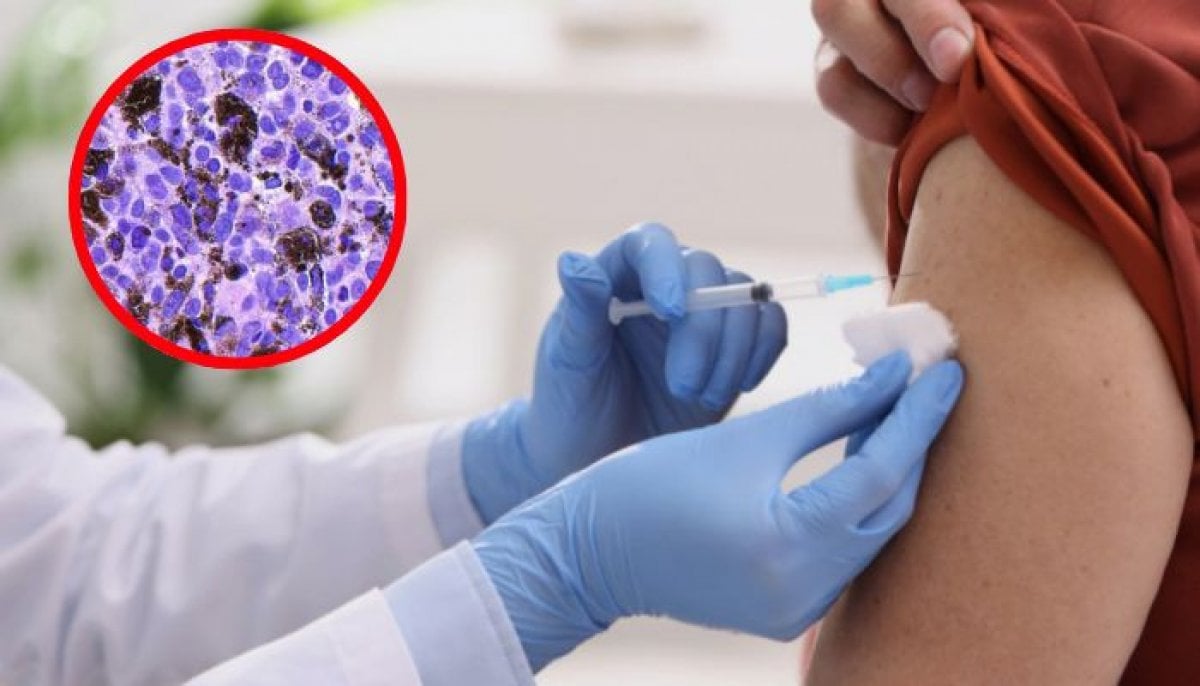 New personalized cancer vaccine cuts Melanoma recurrence risk by 42%, trial shows
 -
 Prime editing rewrites DNA inside human body for the first time
 -
 WHO investigates mystery Ebola case in Nigeria as outbreak spreads beyond DR Congo
 -
 Virginia Sen. Louise Lucas indicted on racketeering and marijuana charges
 -
 France confirms world's first human case of Shamonda virus; patient dies
 -
 OpenAI agents uncover brain disease leads: Here’s how
 -
 AI tool can now predict cancer survival by a single patient selfie: Find out how
 -
 Scientists identify a new type of depression affecting 1 in 4 patients
-
 Everything to know about US FDA’s new guidance on apps used with prescription drugs
 -
‘Immortal’ jellyfish could hold clues to slowing human ageing
-
Ebola crisis worsens in DR Congo as virus reaches eighth province with over 4,500 dead
-
Study finds eating blueberries every day can surprisingly boost your mood