
MECCA, Saudi Arabia: The hajj is no longer an old person´s ritual as a new generation of youthful Muslim pilgrims has transformed both the annual rites and Mecca itself.
"The younger you are, the easier it is," says Saniah, a British pilgrim who, at 25, was on her second trip to Islam´s holiest site in Saudi Arabia.
"Twelve years ago my family and I came for umrah," the lesser pilgrimage which can be performed throughout the year, she says, elegantly veiled in green and black.
This year, Saniah returned for the hajj because it is a religious obligation and "a radical change of life", said the Briton, preferring not to give her last name.
Saniah is among roughly 1.5 million people from across the world attending the hajj which formally began on Saturday.
The hajj is one of the five pillars of Islam, which capable Muslims must perform at least once, marking the spiritual peak of their lives.
A can of soft drink in one hand and a cone of French fries in the other, Saniah eats with her husband at one of the many modern commercial centres dotted around the Grand Mosque in Mecca after performing Friday prayers.
"In early generations young people waited to be old before doing the pilgrimage," Saniah says. "But the new generations, we´re more aware of our religious obligations."
Smiling, she adds that the long hajj marches and prayers under a burning sun "are easier to bear when you´re young".
Omar Saghi, author of "Paris-Mecca, Sociology of the Pilgrimage", says the hajj is no longer "the mystical horizon of an entire life but a rational event" which has become almost routine.
The rising number of such young people, "more educated and already used to tourism and mass consumption", has slowly helped to change the face of Mecca, the author Saghi says.





-
 North Korea to hold 9th Workers’ Party Congress in late February
 -
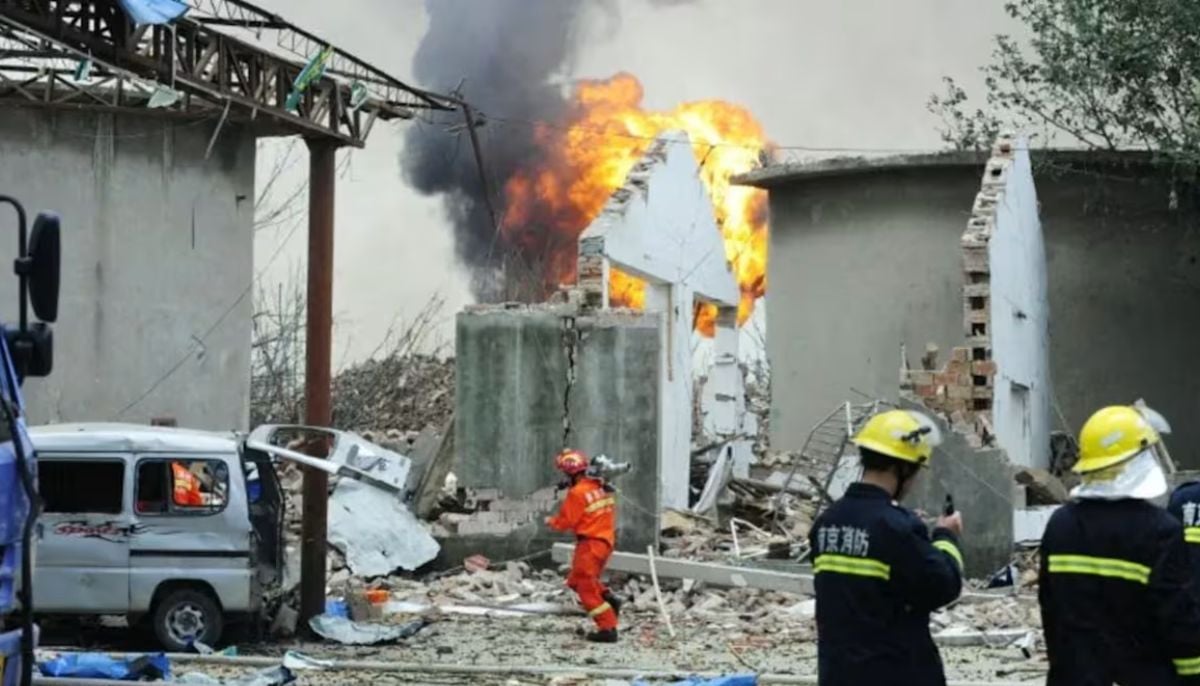 Factory explosion in North China leaves eight dead
 -
 Trump hosts Honduran president Nasry Asfura at Mar-a-Lago to discuss trade, security
 -
 Cuba-Canada travel advisory raises concerns as visitor numbers decline
 -
 Air Canada flight diverted St John's with 368 passengers after onboard incident
 -
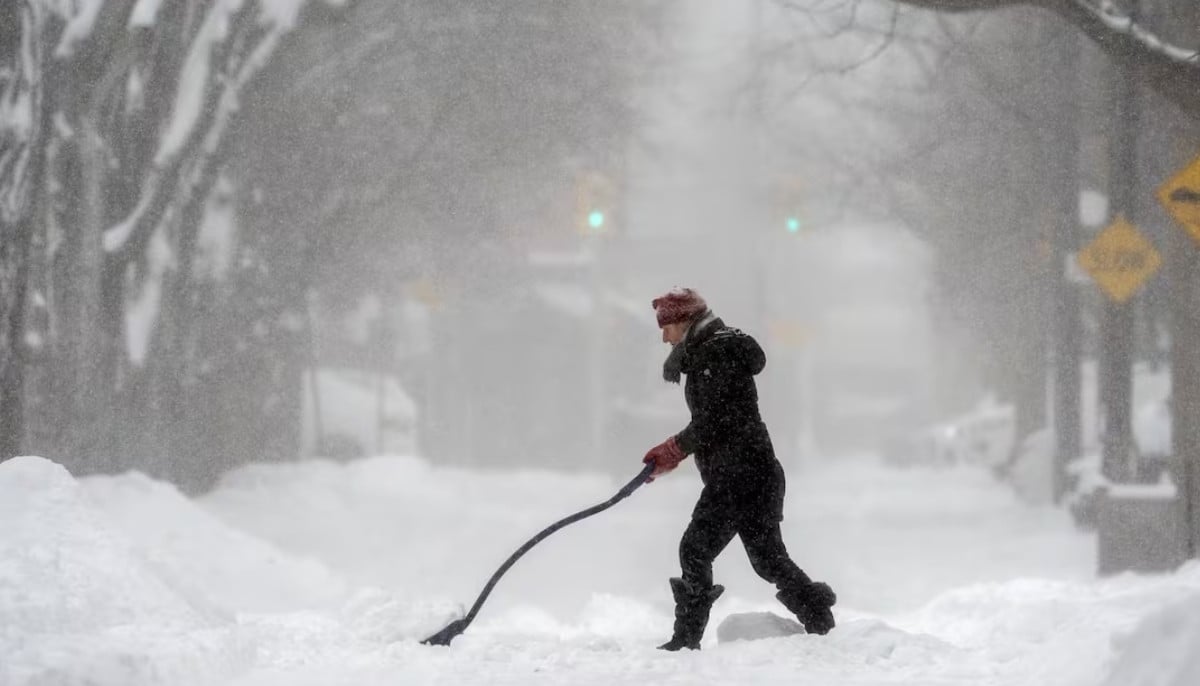 Extreme cold warning issued as blizzard hits Southern Ontario including Toronto
 -
 Ukraine-Russia talks heat up as Zelenskyy warns of US pressure before elections
 -
 France opens probe against former minister Lang after Epstein file dump