China calls on US to drop proposed expansion of outbound investment restrictions
While Washington maintains the expanded rules are necessary for national security, Beijing argues the measures disrupt bilateral economic ties and has signaled potential countermeasures
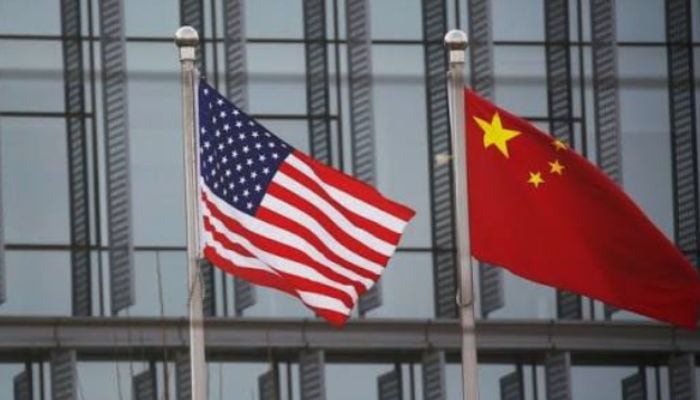
China’s Ministry of Commerce on October 24 urged the United States to abandon proposed rules expanding restrictions on American investments in sensitive technologies, warning that the measures could damage bilateral economic ties and disrupt global commerce.
The US Treasury Department issued proposals on Thursday to update its outbound investment security programme under the Comprehensive Outbound Investment National Security (COINS) Act, expanding restrictions to cover biotechnology, high-performance computing, supercomputing and hypersonic systems.
The existing framework already restricts certain US investments involving China in semiconductors, quantum technologies and artificial intelligence.
The proposed rules also expand the list of countries of concern to include Russia, Cuba, Iran and North Korea, broadening the programme beyond its existing China-focused restrictions.
According to Reuters, Beijing criticized the proposal as a discriminatory expansion of investment restrictions, arguing that it overstretches the concept of national security and undermines normal international economic cooperation.
The ministry said the measures contradicted the consensus reached by the two countries’ presidents and warned that China reserved the right to take countermeasures.
The dispute comes amid continued tensions between Washington and Beijing over technology, trade and national security.
China’s commerce ministry said the proposed restrictions risked undermining bilateral economic ties, despite recent engagement between the countries’ leaders, who have met twice in the past six months.
Washington maintains that the programme is intended to prevent American capital and expertise from supporting the development of strategic, dual-use technologies by foreign adversaries, particularly those that could strengthen their military and intelligence capabilities.
The proposed rules remain open for public comment as US authorities work towards finalising the programme’s scope and implementation.


-
 German chancellor Friedrich Merz calls for unity as he warns of threats facing Germany
-
 Nancy Guthrie case: Reporter recalls strange scene without police tape at her home
-
 France deploys 70,000 police to try to contain nationwide protests
-
 Trump foreign policy hits voters in the pocketbook, threatening GOP majorities ahead of midterms
-
 King orders iron fist response to deadly church attack in Jordan
-
 China urges US to halt expansion of outbound investment curbs
-
 US announces ‘American-made’ seafood labeling initiative to support domestic fishermen
-
 Mona Lisa off limits as Paris museums shut amid protest fears
-
 Stand-up comic slams media double standard over Lindsay Clancy case
-
France closes metro stations, tourist sites as 70,000 police prepare for mass protests
-
SpaceX restores high-speed Starlink connections above 400 km/h in Ukraine
-
Russia and Ukraine agree to ceasefire, plan November peace talks: What we know so far