World’s first AI-powered lab aims to prevent future pandemics
The government will invest £100 million, and AI giants OpenAI and Anthropic have pledged up to a combined £200 million

The UK government is planning to launch a world’s first biosecurity lab with £100 million in state investment and up to £200 million pledged jointly by OpenAI and Anthropic.
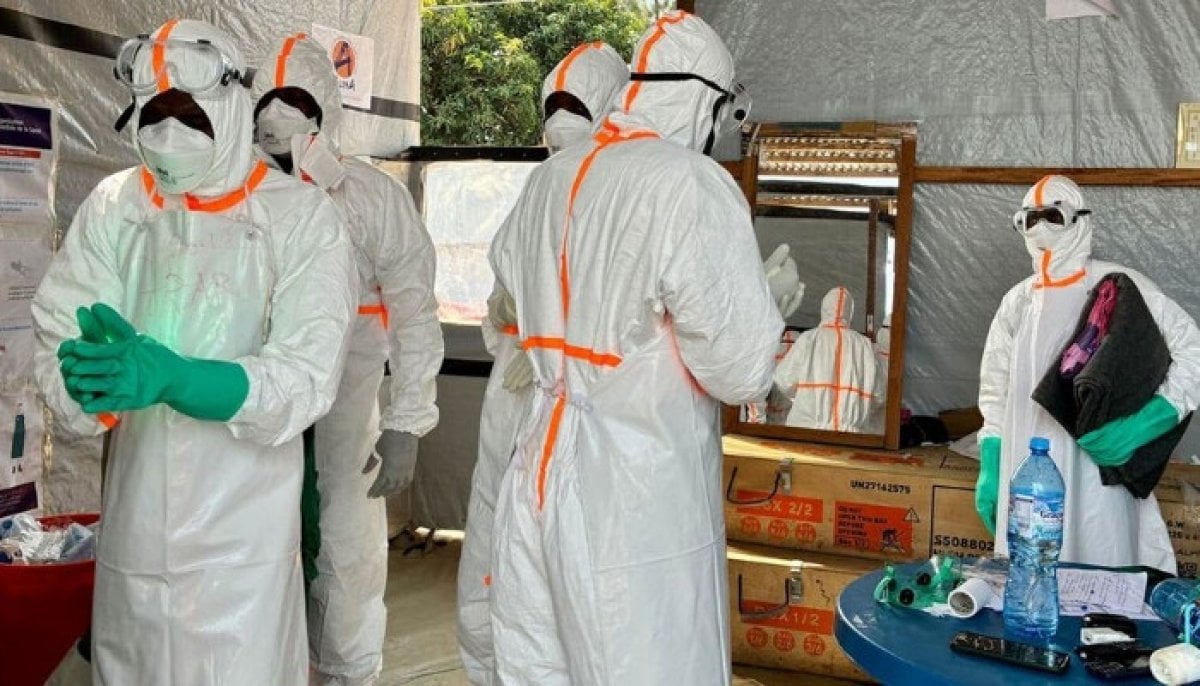
The lab will use AI to develop medical countermeasures against emerging pathogens and protect against future pandemics.
The plan also includes AI Security Institute which will receive an additional £120 million to set safety standards and mitigate risks associated with advancing AI technology. In the budget, £10 million per year will be dedicated to analyze how AI will reshape industry and impact employment.
A new £70 million National Exposure and Real-Time Vulnerability centre will leverage AI to protect infrastructure and economy against growing cyber threats.
Chancellor John Healey and AI minister Kanishka Narayan framed the package as a distinctively British approach meant to balance innovation, security and public trust while keeping humans in charge of AI.
Business leaders also welcomed the focus on trust, chip design, and resilience, but urged the government to expand AI skills across the workforce and remove barriers to adoption across all sectors.
Jordan Cummins, a director at the CBI, said, “The Chancellor is right to put security, resilience and trust at the heart of the UK’s approach to AI. Firms will adopt AI faster and at a greater scale when they are confident that it is safe, secure and working in the interests of their workforce.”
Shadow AI Minister Ben Spencer slammed the announcement as a "shopping list of projects" lacking strategy, questioning whether EU regulatory alignment might hinder UK access to vital US technology.


-
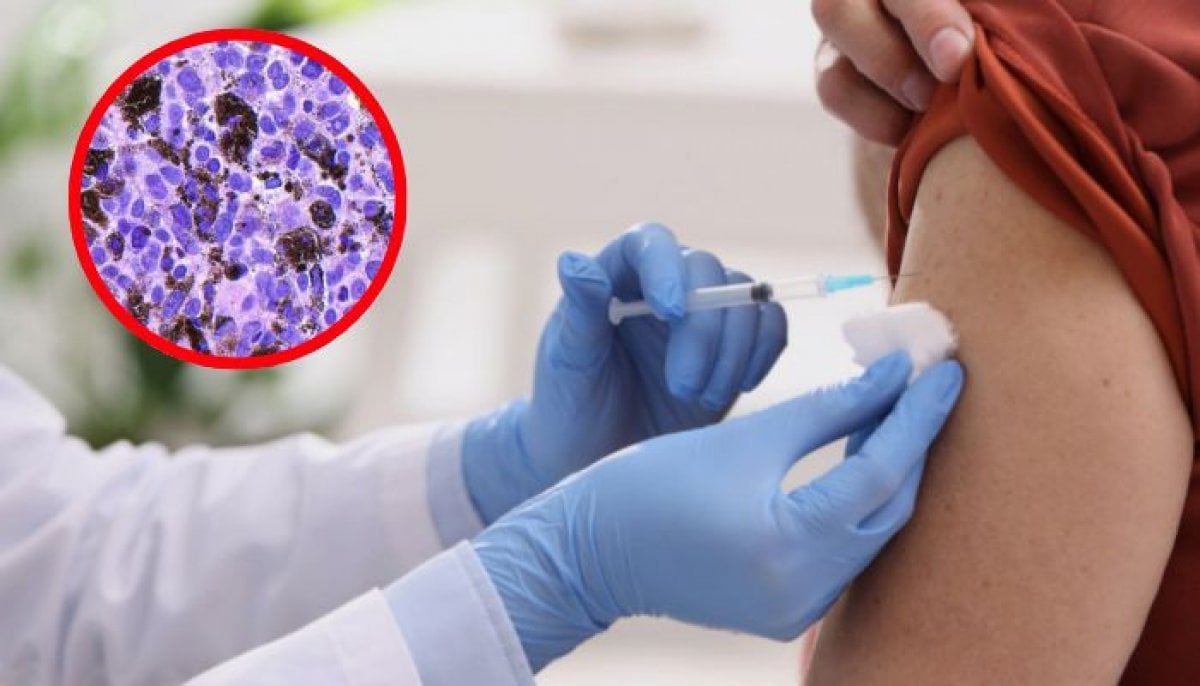 New personalized cancer vaccine cuts Melanoma recurrence risk by 42%, trial shows
-
 Prime editing rewrites DNA inside human body for the first time
-
 WHO investigates mystery Ebola case in Nigeria as outbreak spreads beyond DR Congo
-
 Virginia Sen. Louise Lucas indicted on racketeering and marijuana charges
-
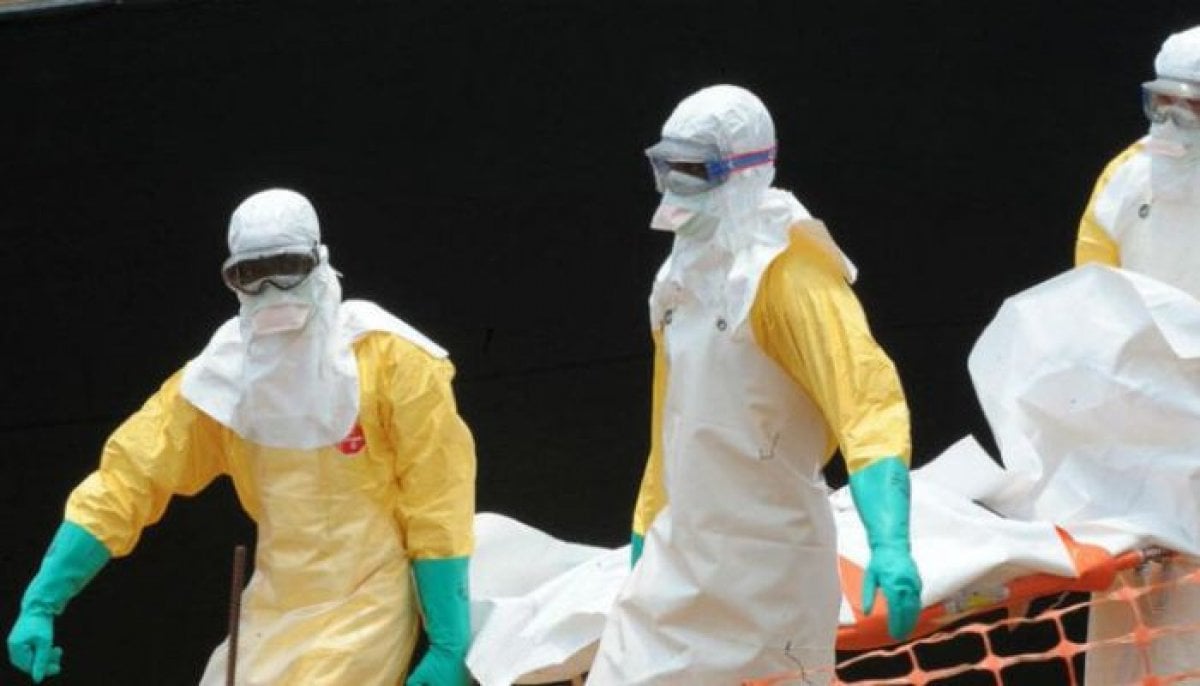 France confirms world's first human case of Shamonda virus; patient dies
-
 OpenAI agents uncover brain disease leads: Here’s how
-
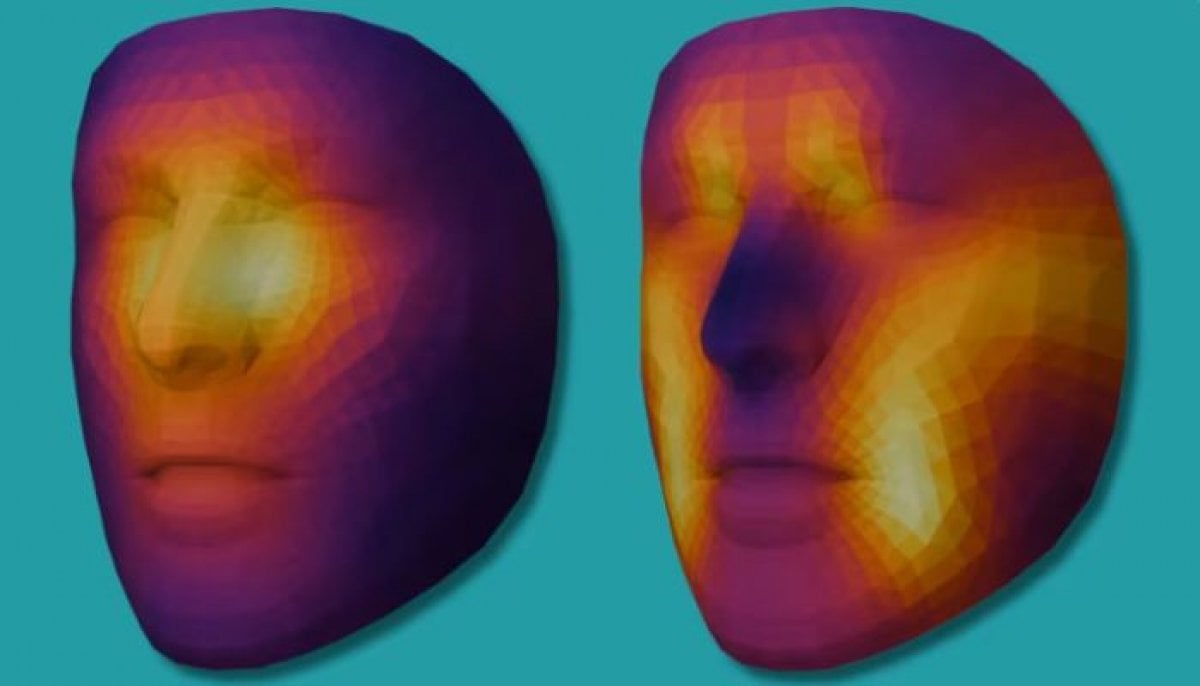 AI tool can now predict cancer survival by a single patient selfie: Find out how
-
 Scientists identify a new type of depression affecting 1 in 4 patients
-
 Everything to know about US FDA’s new guidance on apps used with prescription drugs
-
‘Immortal’ jellyfish could hold clues to slowing human ageing
-
Ebola crisis worsens in DR Congo as virus reaches eighth province with over 4,500 dead
-
Study finds eating blueberries every day can surprisingly boost your mood