IMF chief warns AI risks could outweigh benefits without proper safeguards
The IMF managing director urges global leaders to establish strict regulatory guardrails and ethical standards to prevent severe economic shocks
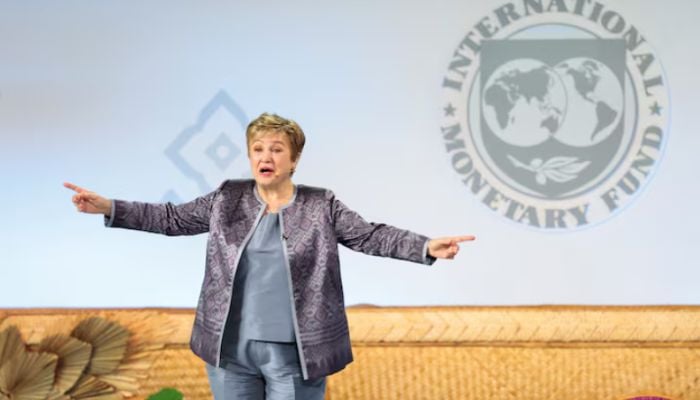
During the annual IMF and World Bank meetings, IMF Managing Director Kristalina Georgieva warned that the risks posed by artificial intelligence could ultimately outweigh its economic benefits unless the global community implements robust safeguards, ethical frameworks, and smart regulations.
Likening rapid AI development to a Formula One race car careening forward without safety barriers, Georgieva stressed that society lacks fully established ethical foundations to manage the technology safely.
While acknowledging that AI investments are providing near-term momentum to global economic activity and productivity, she cautioned that negative shocks could occur if transformative productivity gains do not materialize as quickly as anticipated.
During a panel discussion that included Anthropic co-founder Jack Clark, Georgieva said AI was already strengthening the global economy, but could also deliver negative shocks if it failed to deliver major productivity gains as quickly as hoped.
"If there are no safeguards, then the risks may exceed the opportunities. And above all, we do need an ethical foundation, and I'm not sure we are there as a society," she said.
On a different panel, Bundesbank President Joachim Nagel said AI has the potential to increase global imbalances.
"That is clear when one considers the large investments required for AI, both in hardware and software development," Nagel said.
Georgieva advocated for a hybrid regulatory approach combining industry self-regulation with active government engagement—specifically involving major AI-producing nations like the United States, China, and India.
The IMF representative said certain preconditions needed to be put in place for people everywhere to benefit from the new and rapidly evolving technology, including access to digital infrastructure, access to electricity and adequate regulation.
The stance sparked debate among financial leaders, with some U.S. officials arguing that international institutions like the IMF should focus more heavily on unlocking AI’s immense growth opportunities rather than solely emphasizing downside risks.


-
 China ready to cooperate with EU on global economic imbalances
 -
 UK rejoining EU within months? MEP points to ‘Switzerland Plus’ deal
 -
 Zelenskyy courts Europe as Trump delivers blunt verdict on Ukraine leader
 -
 Russia targets European firms as Zelenskiy heads to EU summit
 -
 Congresswoman Ilhan Omar citizenship row: What Trump officials found in 2019 review
 -
 Germany commits €50 Million to help Ukraine restore Chernobyl facility
 -
 Trump questions Zelenskyy’s role in Ukraine peace talks: ‘Not a good guy’
 -
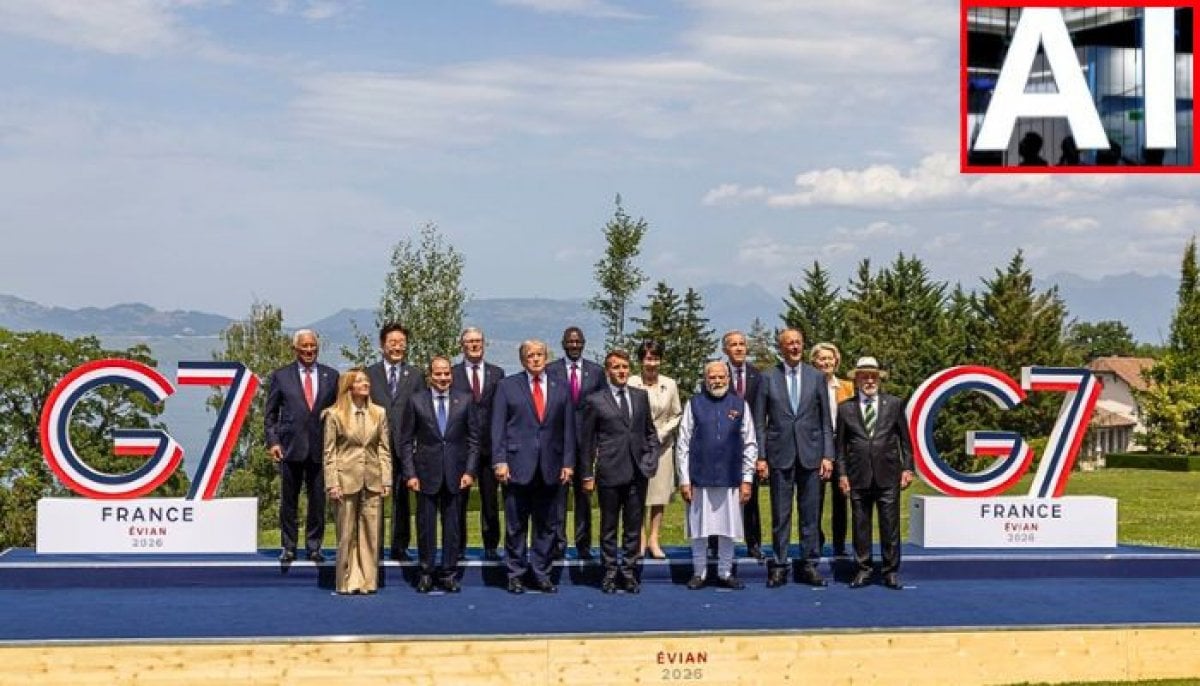 G7 finance leaders agree to simulate AI cyberattacks after IMF warning
-
 Canada at risk? Mark Carney warns as Alberta separation vote nears
 -
AOC calls for political unity while campaigning for Abdul El-Sayed in Michigan
-
Ukraine resumes Russian oil strikes amid Starlink restrictions and US intelligence concerns
-
Trump's ambassador tells Canadian politicians to keep their ‘nose out’ of US elections