NATO’s ‘Theory of Victory’: How AI and drones could counter Russian attack
The strategy is scheduled to be presented in Poland on October 12
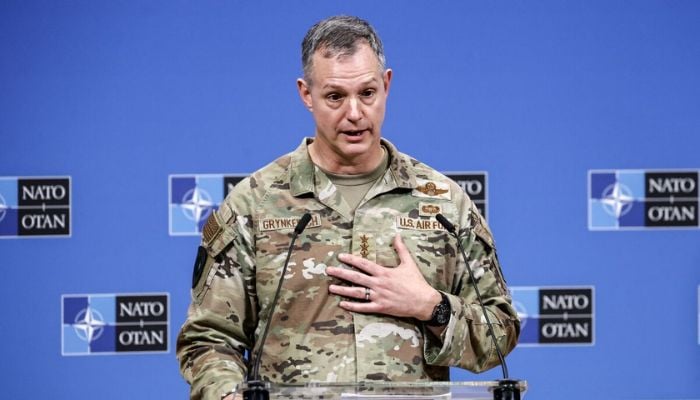
NATO Supreme Allied Commander Europe, Alexus Grynkewich, has developed an unclassified strategy document demonstrating how the Alliance would respond to a potential Russian invasion of its eastern flank.
The strategy is scheduled to be presented in Poland on October 12.
The strategy aims to convince any adversary that victory is impossible by demonstrating absolute readiness, while emphasizing NATO's purely defensive nature to avoid unintended provocations.
Speaking about technology and military innovation, the plan integrates traditional conventional weapons with modern combat innovations that have emerged since Russia’s 2022 invasion of Ukraine.
In the case of any attack on the eastern flank, NATO plans to halt an invasion using ground forces combined with low-cost drones, minimally crewed systems and AI-powered targeting.
Grinkevich's representative, Colonel Martin O'Donnell, refused to disclose details of the plan but emphasized that the Alliance is exclusively defensive in nature.
"The theory of victory put forward by the Supreme Allied Commander Europe is simple: to maintain NATO’s advantage. Given the unstable and complex global security environment, we must create the conditions now to deter aggression and, in the event of an attack, to ensure victory," he said.
The strategy seeks to encourage European allies to boost defence investments and increase operational readiness. Lithuania and Poland are jointly developing an international civilian evacuation plan to safely move residents out of Lithuania, Latvia, and Estonia if necessary.
The strategy comes as the chief of Germany’s foreign intelligence service has issued a stark warning on Monday, declaring Germany is at risk of “violent conflict” with Russia.
Martin Jaeger, head of the Bundesnachrichtendienst (BND) said, “The confrontation we are facing with Russia has taken on a new, more dangerous dimension.”
"Germany is in danger of becoming embroiled in a violent conflict with Russia - the attempted attack in Leipzig is just one example," he said.
Moreover, various European countries have voiced concerns over escalating Russian hybrid threats in coming months. However, Moscow has repeatedly denied harbouring such intentions.


-
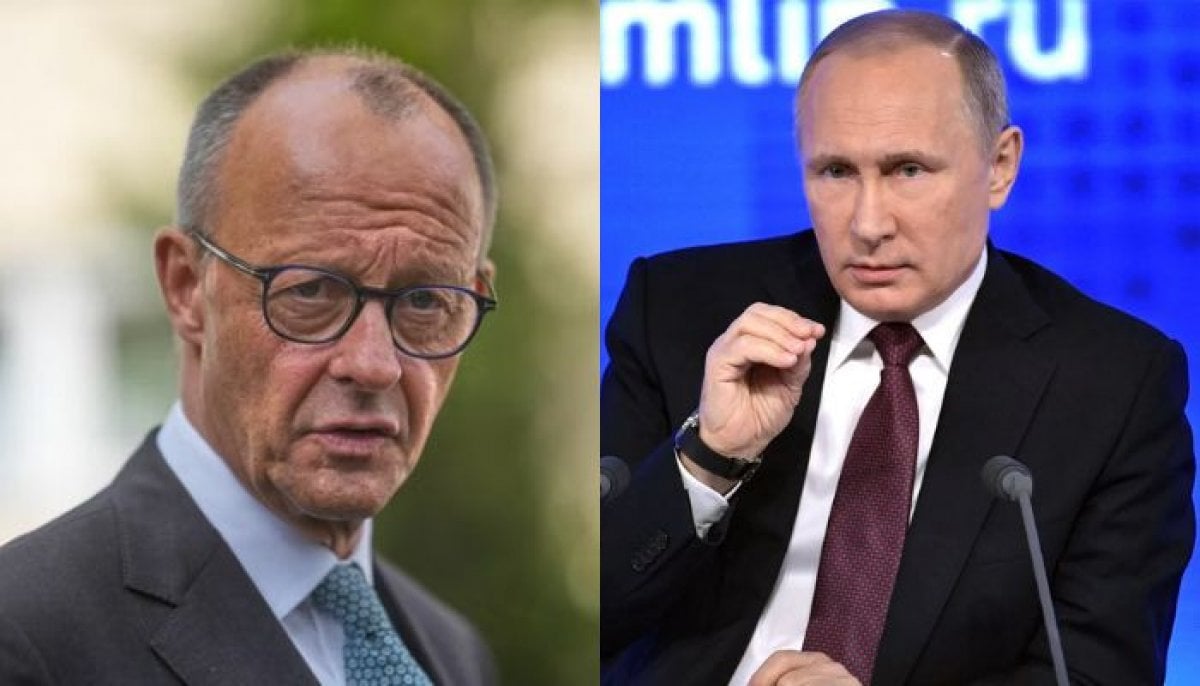 Germany could be drawn into ‘violent conflict’ with Russia, spy chief warns
 -
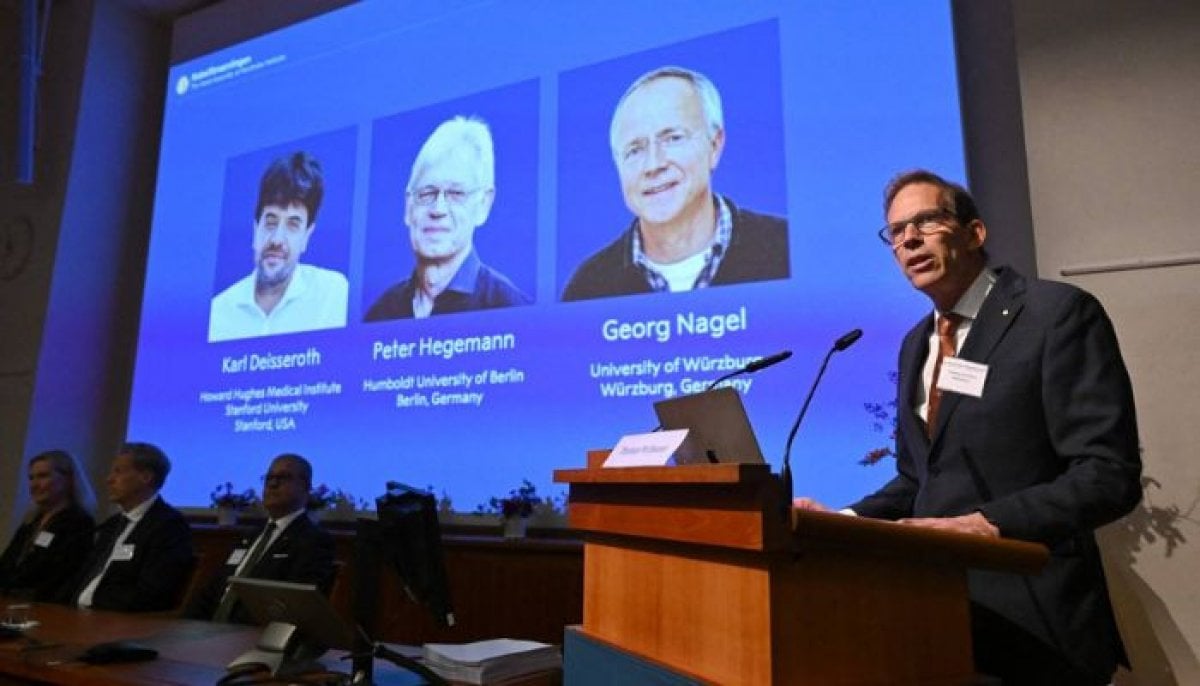 Nobel Prize 2026: Trio wins medicine prize for breakthrough that controls cells with light
 -
 London confirms October 26 launch for Oxford Street traffic ban amid pushback over local congestion risks
 -
 US arrests California woman for allegedly spying on Taiwan President's son
 -
 Bank of Japan warns global AI boom has eased financial conditions amid potential valuation risks
 -
 UK home secretary warns of sexual violence against women making Channel crossings
 -
 Russia investigates ‘unknown’ infection after plague lab researcher dies
 -
 US Coast Guard suspends massive search for missing Canadian air ambulance