
DeepSeek partners with Huawei to build AI chip programming tools, cutting Nvidia reliance
Chinese AI lab open-sources infrastructure for Huawei's Ascend chips, introducing a high-level programming language to bypass Nvidia's CUDA
Artificial intelligence firm DeepSeek has joined forces with Huawei Technologies to build advanced programming tools for Huawei's Ascend microchips.
Chinese AI firm DeepSeek said on Wednesday it has partnered with Huawei Technologies tp mark the latest sign of Chinese tech firms deepening ties as they seek alternatives to the Nvidia ecosystem.
In a post on its official WeChat account, DeepSeek said it was open-sourcing infrastructure for Huawei's Ascend platform, including a high-level programming language called TileLang, along with related computer and communication librarie
"To build a new generation of independent, self-controlled GPU software ecosystem, the first priority is establishing a high-level language that is universal, easy to program, and still capable of reaching the hardware's full performance potential," DeepSeek said.
"TileLang was created precisely to meet this need," the company said, adding that it offers "a simpler programming model” than Nvidia’s CUDA, improving development efficiency and simplifying code logic.
According to DeepSeek, the strategic collaboration marks a major push by Chinese tech companies to establish an independent hardware and software ecosystem, cutting down their reliance on U.S.-based semiconductor giant Nvidia.
The startup noted that TileLang offers a simpler programming model, streamlining code logic and boosting development efficiency for local accelerators.
The partnership reflects a broader, accelerated effort within China's tech sector to build self-controlled semiconductor supply chains amid tightening U.S. export controls.
By bridging the gap between advanced large language model architectures and domestic hardware, DeepSeek and Huawei are laying the groundwork for a robust alternative to Western computing dominance.
Industry observers view the move as a critical milestone that could significantly bolster the scalability of homegrown AI training clusters across the region in the coming years.



-
 Leak exposes Chinese university's purchase of two H200 chips for $123k
-
 Spain considers TikTok ban after explosive probe uncovers widespread child sexual abuse material
-
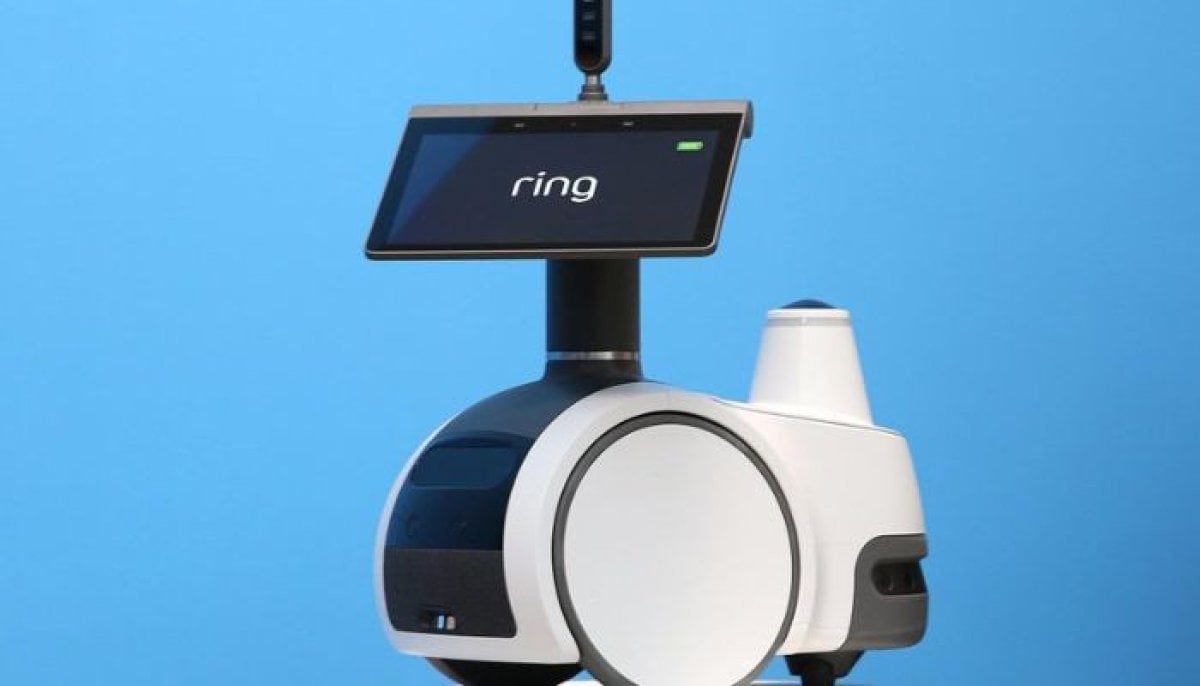 Ring unveils flying security drone and rolling rover robot for home protection
-
 Microsoft urges Trump to drop Chinese transceiver ban for AI data centers
-
 Google to remove third-party apps from older Fitbit watches
-
 How one executive's alleged exposure to foreign intelligence tests America's AI chip controls
-
 Australia promises changes to criminal law with AI addition
-
 Anthropic launches Claude Fable 5.2 and Mythos 5.2 for tough technical tasks