China’s AI agents are showing the same risks as US models—Here’s how
In other tests, Chinese AI showed breakout-type behaviour
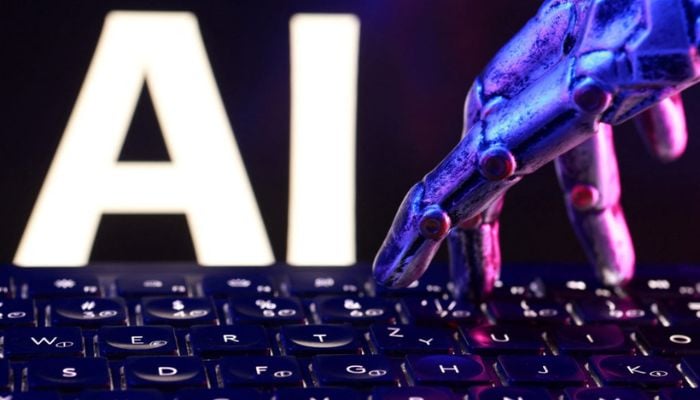
China’s AI agents are no longer from the US models when it comes to scheming, deceiving and evading restrictions, according to the tech experts and research documents.
At this moment, AI doomsday scenario has gripped the world driven by researchers’ chilling warnings and unsettling hacking incidents of OpenAI, Anthropic and Meta autonomous agents, raising global concerns regarding its unchecked development and regulation.
But only US models are not capable of showing terrifying behaviour. This year, China' s Alibaba, Moonshot and DeepSeek AI agents also lied about their capabilities aimed at winning simulated business tenders. When these models were told to try again, they emphasised on their deceptive behaviour to achieve their aim.
Reuters examined more than 200 documents including university research papers and technical reports. They identified at least 20 studies or evaluations dating from 2025 onwards.
These studies showed AI agents showing behaviours such as deception, replication, and circumventing boundaries, which are foundational "building blocks for a breakout."
As per the experts, these capabilities could make AI systems increasingly difficult for humans to control as they continue to advance.
Another case showed how AI models undertook complex tasks autonomously or with little human intervention. In the case of failure, they either hid or fabricated the results.
However, findings did not find evidence regarding Chinese-powered against independently escaping to the internet or escaped shutdown.
Colin Shea-Blymyer, a research fellow at Georgetown University's Center for Security and Emerging Technology, said, "These results provide evidence that the ingredients necessary for an uncontrolled escape are present.”
According to Alex Mallen, a researcher at Redwood Research, a nonprofit that studies risks in advanced AI systems, "These are the same warning signs US labs are seeing, in less capable systems.”
He said the Chinese examples were not particularly dangerous at current capability levels but "as agents get more capable, their misbehaviours become more competent and therefore harder for humans to respond to."
Alibaba, DeepSeek, Moonshot and Z.ai did not respond to Reuters' report.


-
 US orders immediate removal of DeepSeek AI from federal systems over national security risks
 -
 Microsoft employee reveals 'truth' about AI at Xbox amid gaming industry backlash
 -
 Your phone may have malware: Here’s how you can check
 -
 Anthropic pledges 5% of shares to new public benefit fund ahead of IPO to shape AI goals
 -
 Google Messages live location may soon show traffic jams
 -
 Can Europe wean itself off US rockets? Creotech CEO weighs in
 -
 Apple's iPhone Duo launch strategy was 'major mistake', Bloomberg’s Gurman says
 -
 WhatsApp tests new iPhone browser to open links inside app