US orders immediate removal of DeepSeek AI from federal systems over national security risks
The Department of Homeland Security directive targets software provenance and supply-chain vulnerabilities, citing severe risks of data sovereignty breaches and foreign intelligence collection
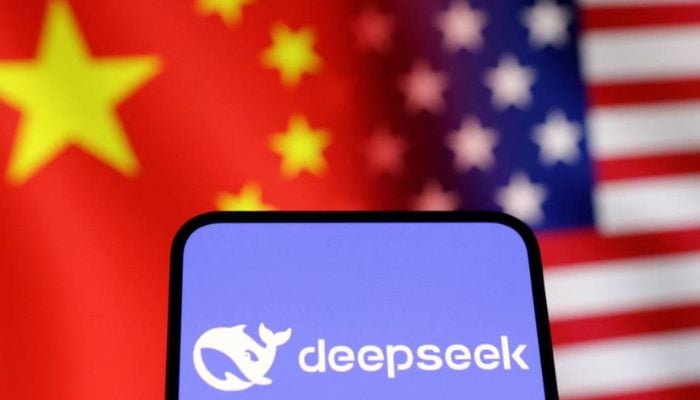
The U.S. Department of Homeland Security (DHS) has officially ordered federal civilian executive-branch agencies to strip technology from Chinese artificial intelligence lab DeepSeek out of all government information technology networks.
According to a recent notice, DHS is ordering the removal of DeepSeek products and third-party services using the Chinese AI model from US civilian agency IT systems.
Moreover, the department is also banning acquisition of DeepSeek products and third-party services developed using DeepSeek by US civilian government agencies.
DHS said DeepSeek models pose "multiple threat vectors" and raised concerns that use of the product "may result in the transfer of sensitive data to the PRC if used by US government employees or vendors."
Scope of the Restriction:
Issued under the Federal Acquisition Supply Chain Security Act of 2018, the order requires agencies to immediately remove existing DeepSeek products, software, and services, while completely barring future procurement or contracts involving the technology.
The ban extends beyond DeepSeek-branded software to also cover third-party applications and services built using DeepSeek's foundation models.
National Security Justifications:
DHS warned that DeepSeek poses multiple threat vectors, noting that Chinese cyber and intelligence laws permit state access to private company infrastructure.
Officials highlighted risks that sensitive federal data could flow to China, that user-tracking mechanisms could provide actionable intelligence on U.S. persons, and that potential software vulnerabilities or malware could compromise government systems.
This government-wide directive builds on earlier localized restrictions implemented across military and trade branches, reinforcing a broader U.S. strategy to screen foreign AI vendors and secure federal IT infrastructure against geopolitical risks.


-
 Microsoft employee reveals 'truth' about AI at Xbox amid gaming industry backlash
-
 Your phone may have malware: Here’s how you can check
-
 Anthropic pledges 5% of shares to new public benefit fund ahead of IPO to shape AI goals
-
 Google Messages live location may soon show traffic jams
-
 Can Europe wean itself off US rockets? Creotech CEO weighs in
-
 Apple's iPhone Duo launch strategy was 'major mistake', Bloomberg’s Gurman says
-
 WhatsApp tests new iPhone browser to open links inside app
-
 Samsung to use TSMC's 3nm process for Nvidia's next-gen AI memory chips