Can Europe wean itself off US rockets? Creotech CEO weighs in
Europe conducted 8 out of the world’s 324 orbital launches last year compared to 193 by the US
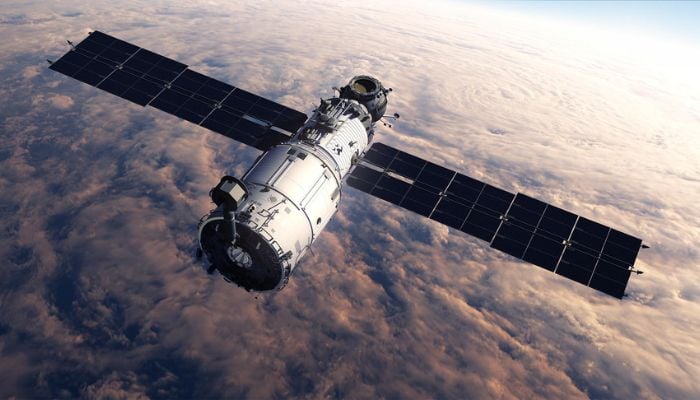
Creotech, Polish satellite maker, plans to increase its satellite production capacity by up to tenfold by 2029.
The plan is to scale up from its current output of about 10 satellites a year to a new factory capable of producing 40 mixed-type satellites or up to 100 of a single model annually.
Despite intentionally keeping US technology out of its satellites to avoid restrictive American arms export rules, such as relying on SpaceX to launch its MikroGlob military satellites, Creotech and Europe as a whole remain heavily dependent on US rockets.
"Launch vehicles are now becoming a means of political pressure on the European Union in the hands of (US President) Donald Trump's administration," CEO Grzegorz Brona said.
Brona also noted that while Europe can manufacture thousands of satellites, it falls short on launch vehicles. He also warned that launch vehicles are being weaponized in the political arena. But there is still a hope as it will likely take a decade for Europe to build enough of its own rockets.
"Of course, Europe is waking up," Brona said, referring to new European rocket programmes including a German launcher.
The CEO also highlighted the disparity as Europe conducted 8 out of the world’s 324 orbital launches last year compared to 193 by the US and SpaceX’s Starlink accounted for over 60 percent of active satellites.
The company aims to start building larger, 500-kg satellites by 2032 and is opening subsidiaries in France and Germany in the coming weeks.
Creotech plans to bid on upcoming tenders for several large EU satellite constellation programmes currently under development.


-
 Apple's iPhone Duo launch strategy was 'major mistake', Bloomberg’s Gurman says
-
 WhatsApp tests new iPhone browser to open links inside app
-
 Samsung to use TSMC's 3nm process for Nvidia's next-gen AI memory chips
-
 Microsoft scraps UK data center project with Nscale ahead of IPO
-
 TSMC, Apple eye 1.4nm chips as costs surge ahead of 2028
-
 New plan would let Americans share in AI gains through stock accounts: Here's how
-
 Missed iPhone Duo pre-orders? Apple Store walk-ins may be out of luck
-
 TikTok bans 3-hour Musk documentary account over 'violations'