EU leaders push new Arctic policy as China, Russia expand presence
EU leaders are scheduled to attend Monday's European Arctic Summit
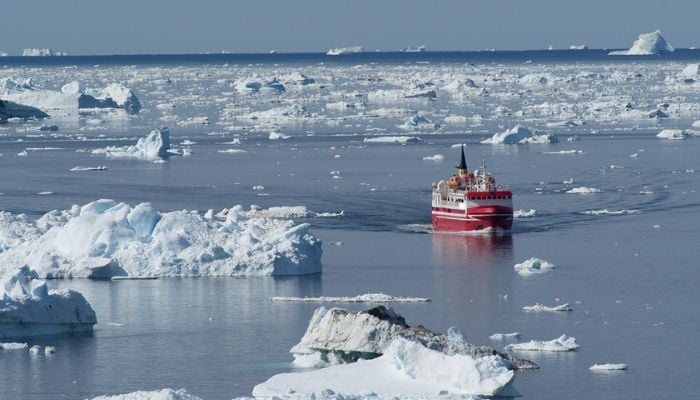
The European leaders are set to initiate talks aimed at rethinking Arctic policy during a gathering in Rovaneimi, Finland on Monday.
The talks will focus on growing competition in the rapidly thawing Arctic region as global warming is opening a new front marked by new shipping routes.
Moreover, various countries are striving to expand dominance on natural resources along with Russian military buildup which is intensifying security concerns.
German Chancellor Friedrich Merz, Danish Prime Minister Mette Frederiksen, the prime ministers of Estonia and Latvia, the presidents of Lithuania and Romania, EU foreign policy chief Kaja Kallas and EU Council President Antonio Costa are all scheduled to attend Monday's "European Arctic Summit."
According to Tuomas Tikkanen, Finnish Prime Minister Petteri Orpo's senior adviser on European affairs, "The idea is essentially to strengthen the EU's common strategic approach to the Arctic in this situation, where the geopolitical and economic significance of the region is growing considerably.”
Orpo also called the Arctic an increasingly important region, necessary for Europe’s security environment.
According to him, the Arctic has become a center of attention as new sea routes are emerging due to climate change, leading to new threats. That’s why we need concrete action through cooperation and collaboration.
Finland also insists that European icebreaker capabilities must be integrated into the new EU Arctic strategy to ensure operational viability in the High North.
The European Commission is going to shape a new Arctic strategy on the grounds of Monday's meeting, which will be unveiled in the coming weeks.
Earlier this month, the EU President Ursula von der Leyen announced a €200 million investment package during a recent visit to Greenland to build infrastructure for extracting raw materials and secure stronger EU cooperation.
Geopolitical competition
Rapid warming and receding ice have opened up potential transport routes and mineral resources, prompting increased activity from the US, China, and Russia.
For instance, China last month opened the Arctic Ice Silk Road by launching a regular container shipping service through the Arctic as a way to bypass the world’s maritime chokepoints.
Similarly, South Korea tested the commercial viability of the North Sea Route through Russian territorial waters using container ships. Russia sees Arctic territory as an economic lifeline.
Another key factor is the Greenland crisis stemming from US President Trump’ demands of controlling Greenland for national security reasons while citing Denmark’s inability to protect it from China and Russia.
In response to geopolitical tensions, NATO has launched a new security mission in the region, while the EU is stepping up engagement.


-
 Heavy rains trigger dangerous flash flooding and road closures across Athens, Texas
 -
 UK PM Andy Burnham scraps Starmer-era plans to curb jury trials amid legal backlash: report
 -
 Lindsay Clancy case sparks debate in Africa: 'It will never happen here'
 -
 US Supreme Court opens new term with high-stakes big oil bid to toss climate suits
 -
 Trump defiant on Midterms during Ohio rally as republicans fight to hold congress: report
 -
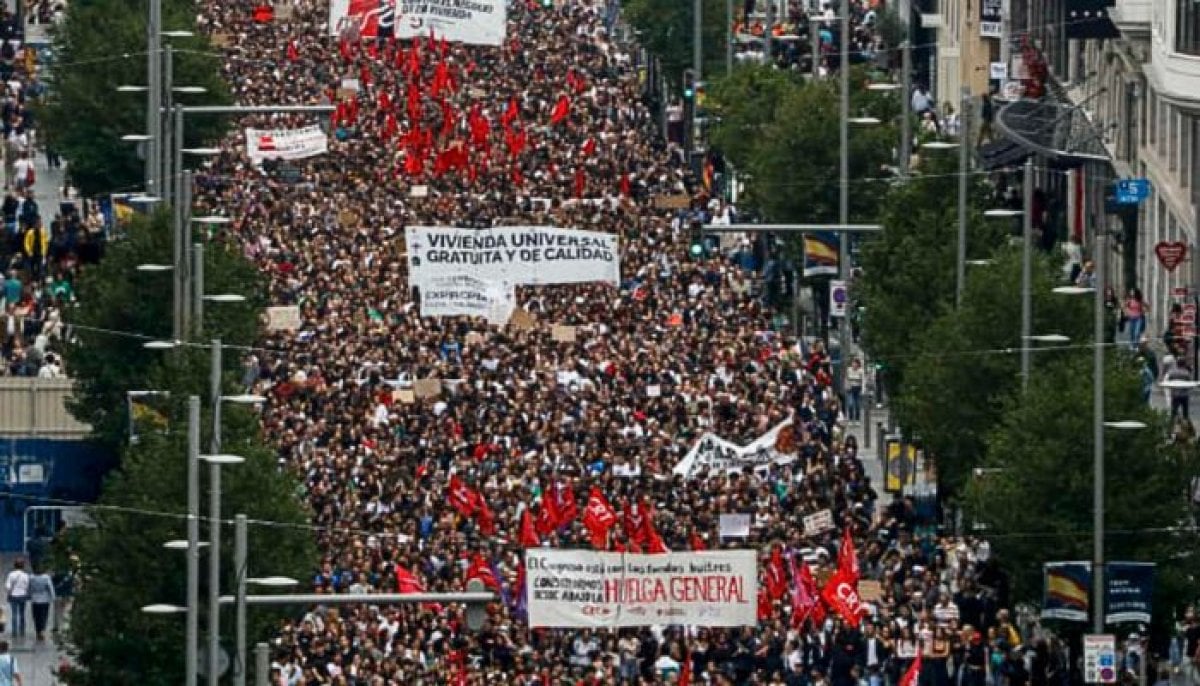 Tens of thousands protest in Madrid as anger grows over Spain’s housing crisis
 -
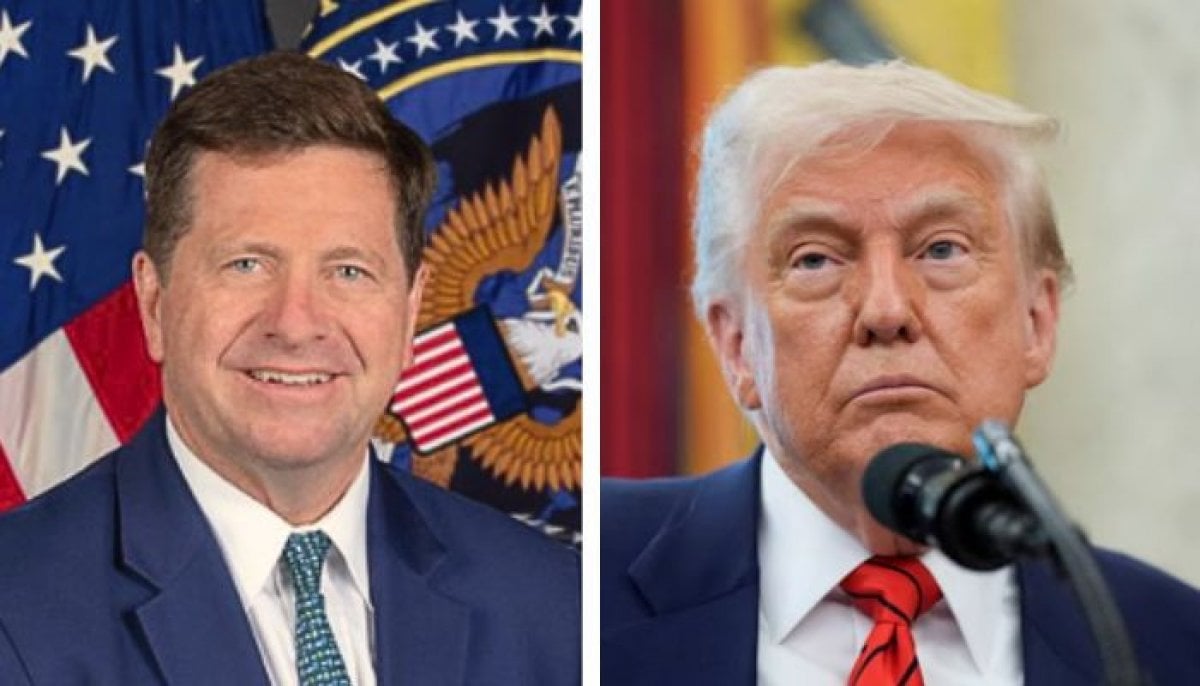 Trump names Jay Clayton to lead new White House 'Super Intelligence' task force: report
 -
 Prisons chief is stepping down after failed execution of Christa Pike