BepiColombo spacecraft enters its biggest test near Mercury
ESA's Mercury Transfer Module separation kicks off six months of high-stakes manoeuvres
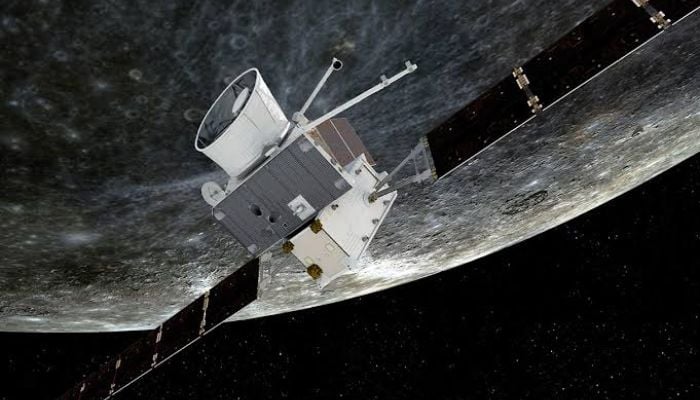
Mercury sat 63 million kilometres from the Sun and 200 million kilometres from Earth on Thursday, far enough that a signal from mission control took roughly 30 minutes to reach the spacecraft.
This delay is why the BepiColombo mission had to conduct the process of separation from Earth by itself, because there wasn’t any time to take any human intervention if anything went wrong.
This joint venture of the European Space Agency and the Japan Aerospace Exploration Agency was launched in October 2018 and travelled more than 10 billion kilometers, employing nine flybys of different planets to decelerate itself to a point where it could reach its target planet, which is much closer to the Sun than our planet. The gravitational pull of Mercury is very weak, just like that of the Moon.
The Mercury Transfer Module, which has powered the journey since launch, split away from BepiColombo's two attached science orbiters on Thursday, pushed apart by spring mechanisms rather than any kind of explosive release.
"It's going to be equivalent to launching a new spacecraft," said Ignacio Tanco, ESA's head of inner solar system mission operations, "only this spacecraft happens to be around a different planet."
The two orbiters, ESA's Mercury Planetary Orbiter and JAXA's Mercury Magnetospheric Orbiter, known as Mio, remain locked together for now. Mission manager Santa Martinez called Mercury "a challenging destination" given how extreme conditions get so close to the Sun.
ESA aims for the twin orbiters to go into the clutches of Mercury’s gravity on November 21, followed by their separation between December 9 and 10. The MPO enters its scientific orbit on December 16 while Mio does the same in March.
Upon activation, MPO will be analyzing Mercury’s surface from a distance of 480 kilometers while Mio follows an extended orbit, going up to 11,000 kilometers, studying the planet’s magnetosphere.
It is worth notig that only two other probes before that of ESA, namely Mariner 10 of NASA in 1974 and MESSENGER in 2011, have achieved such a proximity to the planet.


-
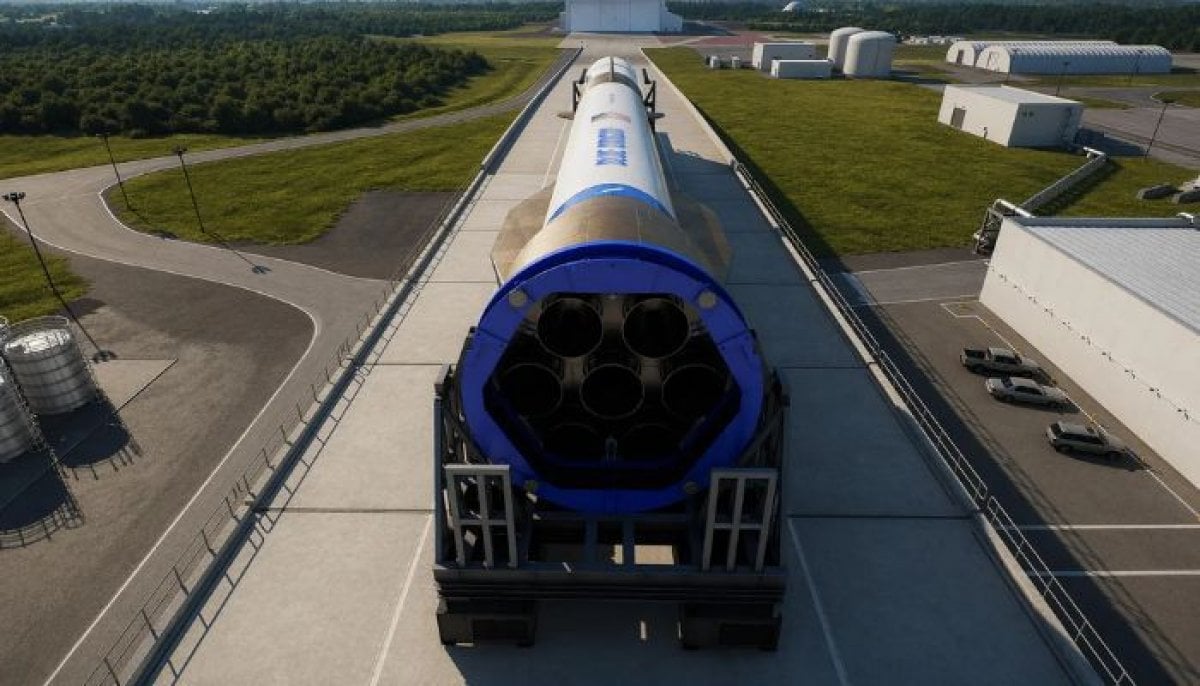 Blue Origin upgrades new Glenn rocket launch infrastructure to take on SpaceX
 -
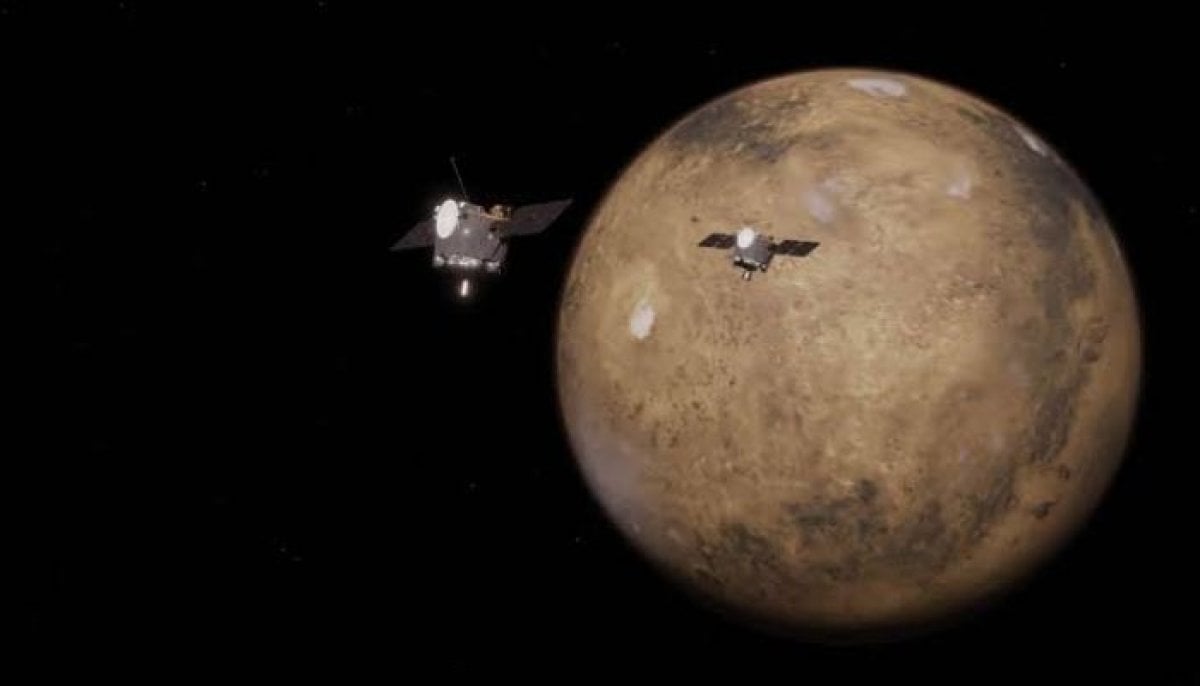 NASA’s next Mars mission targets Phobos and Deimos, not Red Planet
 -
 Is AI ready to rewrite our understanding of physics?
 -
 Astronomers identify possible first green star in 27 years of research
 -
 New study sounds alarm as Doomsday Glacier melts more aggressively than thought
 -
 Hubble data hints at planet born after its star died
 -
 NASA to brief public on Artemis III mission progress
 -
 ‘Time capsule beneath the sea’: World’s oldest shipwreck holds secrets from Great Pyramid era