Xylitol sweetener may raise stroke and heart attack risks, study suggests
Xylitol is a sugar alcohol also present in some natural foods in very low quantities
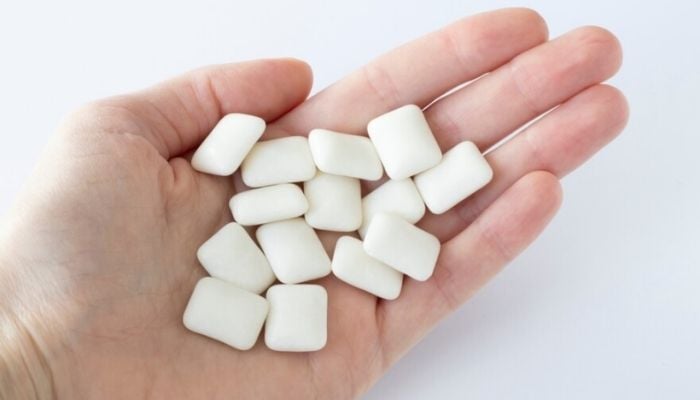
A common sweetener xylitol used in the various products including chewing gum, toothpaste, jam, and yoghurts has been found to be a main culprit in raising the chances of stroke and heart attacks risks.
The sugar is also added in the food to sweeten the beverages and oral care products. Despite its widespread use, its impacts on health have not been studied comprehensively yet.
However, in the largest study of its kind, researchers found a significant link between high blood levels of xylitol to the increased cardiovascular risks.
According to the findings presented in Munich at the European Society of Cardiology (ESC) annual congress, the world’s largest heart conference, participants with the highest blood levels of xylitol were 57 percent more likely to experience a cardiovascular event or death within six years compared to those with the lowest levels.
The association showed a dose-dependent relationship, demonstrating higher xylitol levels correlated with higher rates of cardiovascular events, regardless of baseline characteristics like age, sex, BMI, hypertension, diabetes, or lipid levels.
The study’s author, Dr Marco Witkowski, from the Charité university hospital in Berlin, “In previous studies, we showed that xylitol can enhance the ability of platelets to form clots.”
“Artificial sweeteners are consumed by people who think they are healthier than sugar and they are generally regarded as safe by regulatory agencies,” he said.
“Our long-term findings in the general population highlight how little we know about the cardiovascular safety of xylitol and indicate that further studies are warranted, especially as the amount of xylitol in products continues to increase.”
As per experts, the research is observational and cannot definitively prove direct cause.
However, it indicates an urgent need for further research into the long-term health-related safety of artificial sweeteners.
Health professionals also advise people to focus on a balanced diet and reduce the intake of processed foods and drinks, while still maintaining low free-sugar consumption.


-
 West Nile virus: Europe reports 141 deaths as human cases rise in 2026
 -
 Health Canada reviewing new mRNA flu vaccine that could prevent more hospitalisations
 -
 Scientists discover hidden drainage route at the back of the eye
 -
 WHO confirms death at Russian research lab, says no plague case registered
 -
 Getting a $90 check from Social Security? Here’s why
 -
 Measles cases in US top 4,000 nationwide, CDC reports
 -
 Sexually transmitted diarrhea spread in US, UK: Why antibiotics are failing against Shigella
 -
 Who is Song Li? China puts her forward for WHO leadership role
-
 CDC monitors travelers from Siberia after plague worker’s death, director says
 -
Russia pushes back on plague death reports, defends WHO notification
-
WHO deems Russia plague risk 'low' following lab technician’s fatal illness
-
New York declares Measles state of emergency amid nationwide disease resurgence