Astronomers discover mysterious new cosmic object in a major breakthrough
The object was lurking in the constellation of Cetus which is billions of light years from Earth
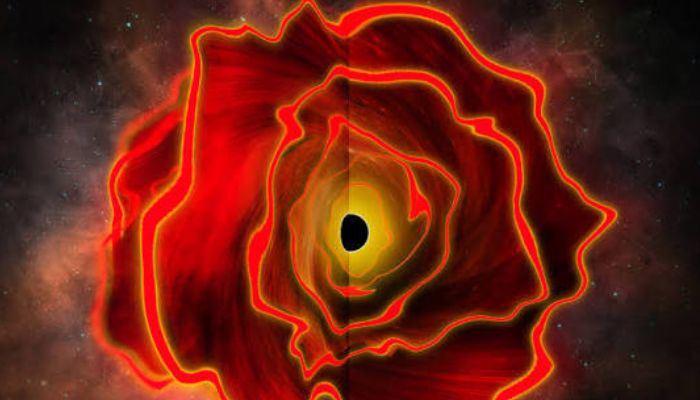
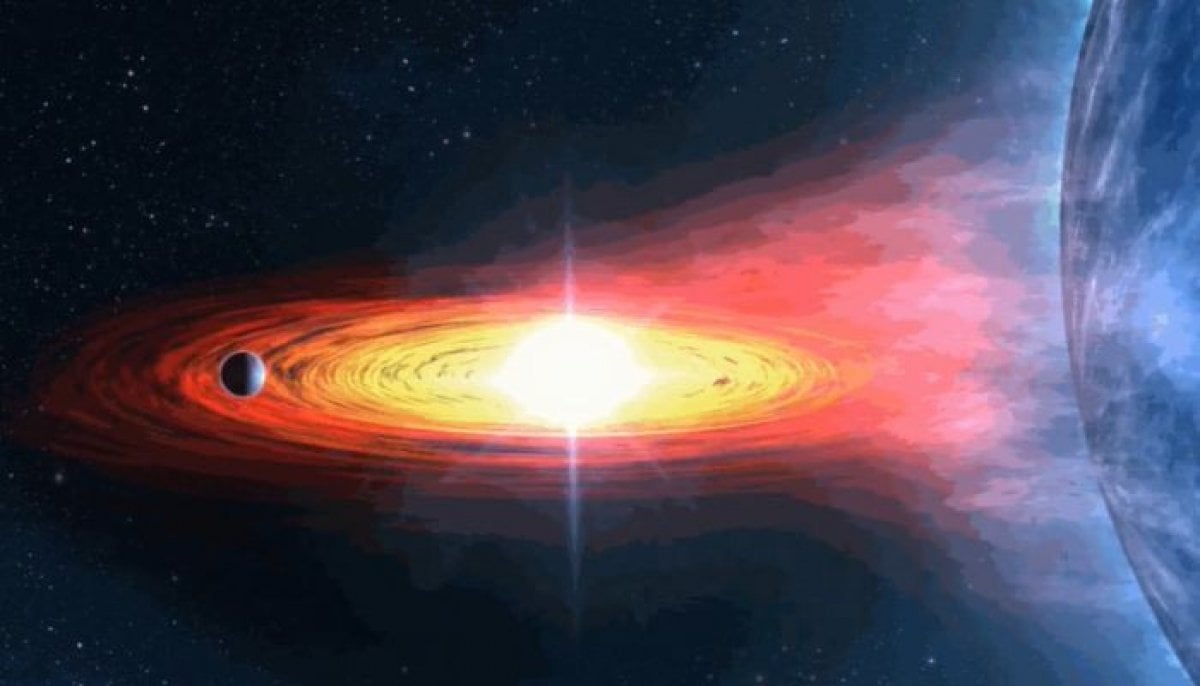
Astronomers in a groundbreaking discovery identified an unprecedented astronomical phenomenon-a black hole star that is the size of the entire solar system emitting a brilliant red light.
The breakthrough has been achieved after narrowing down attention to a mysterious red spot in images of the early solar system.
The intriguing phenomenon has been captured by Nasa’a James Webb space telescope as the object was residing within the constellation of Cetus-the While, billions of light years from Earth, it is believed to have originated from 660 million years following the big bang, according to astronomers’ leading theory on how the cosmic explosion began.
In this connection, Dr Rohan Naidu at the Kavli Institute for Astrophysics said: “We have found a new type of astrophysical object, a black hole star.” He further clarified that it implies a warm energy typically linked with black holes but at the same time bears signatures classically linked with stars.
The scientists were using the James Webb space telescope to detect the most distant galaxies in the known universe.
The galaxy named Mom-z14 was successfully formed after a sphere 280 million years ago directed their attention to other cosmic objects.
The study results were published in Nature, where the astronomers underlined how they focused on an extremely bright red spot known as MoM-BH-1-the reddest object in the telescope’s image archive.
Furthermore, Naidu suspects that black hole stars play a significant role in the evolution of galaxies; moreover, they are found at the centers of all galaxies such as the Milky Way and are thought to shape the fate of the cosmos. Additionally, he said: “They may govern when stars are able to form and when they cease forming, setting the course of everything that follows from star information.”


-
 Asteroid Bennu: NASA samples reveal how it was born from fire and ice
 -
 Harvard scientists detect mysterious radio signal from planet outside our solar system
 -
 Scientists may have found a way to grow food on Mars
 -
 Why Earth’s 24-hour day isn’t quite as fixed as you think
 -
 Earth is splitting apart beneath the Pacific Northwest: Here’s why
 -
 Google's AI Satellite Prototype Launches on SpaceX October 1
 -
 Google plans first AI chip test in space under project Suncatcher
 -
 Mars Rover reveals hot groundwater once flowed at Jezero