Samsung reveals Flex Titanium tech for Galaxy foldables
Samsung's new Flex Titanium display tech uses titanium alloy to cut crease visibility and boost durability
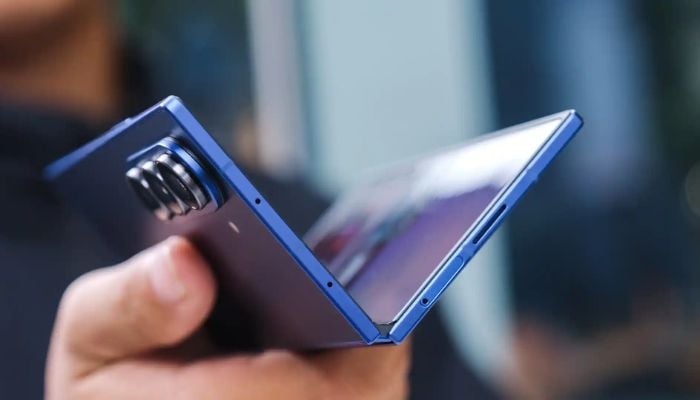
Samsung has announced Flex Titanium, a new display architecture built for its next generation of Galaxy foldables, aiming to solve the two problems that have followed the format since it launched: the visible crease and durability worries.
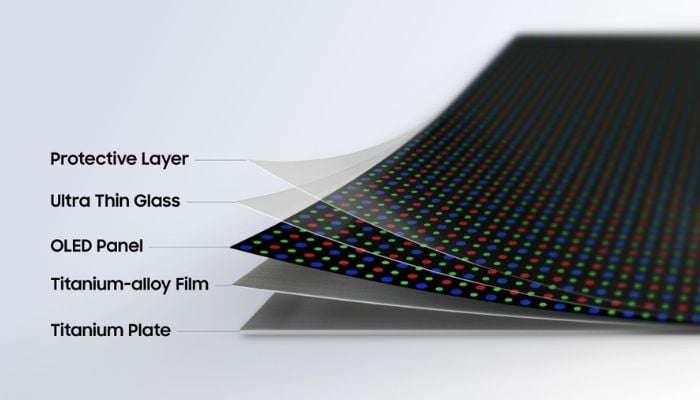
The technology will be integrated in two titanium-based components, a titanium-alloy film and a titanium plate, working together to balance slimness, flexibility and strength within the foldable display structure.
How do Flex Titanium components work?
The film made of titanium alloy is located beneath the OLED screen, providing additional support to the display internally. It is estimated that in comparison with the polymer film that was applied in previous generations of foldable phones, the new film provides approximately 20 times more stiffness and is a third of a hair thick.
The film is followed by the titanium plate, which provides the support of the display module from beneath. According to Samsung, an advanced hole processing technology ensures the absence of air pockets between the module and the adhesive layer, making it more flexible at the hinge point.
Titanium isn't a new material in engineering circles; it's used in satellite antennas and Mars rover wheels for its strength-to-weight ratio. Bringing it into a foldable display stack, though, meant overcoming its natural stiffness without sacrificing the flexibility a folding screen depends on.
Samsung also paired the structural changes with a higher-resolution display architecture and new organic materials, which the company says improves power efficiency alongside the crease reduction.
Samsung Flex Titanium availability
Samsung’s Flex Titanium will make its debut in the Galaxy Z Flip 8, Z Fold 8, and Z Fold 8 Ultra that Samsung is likely to release during the Galaxy Unpacked event in London on July 22.



-
 OpenAI, Anthropic and Google join forces on AI safety efforts
 -
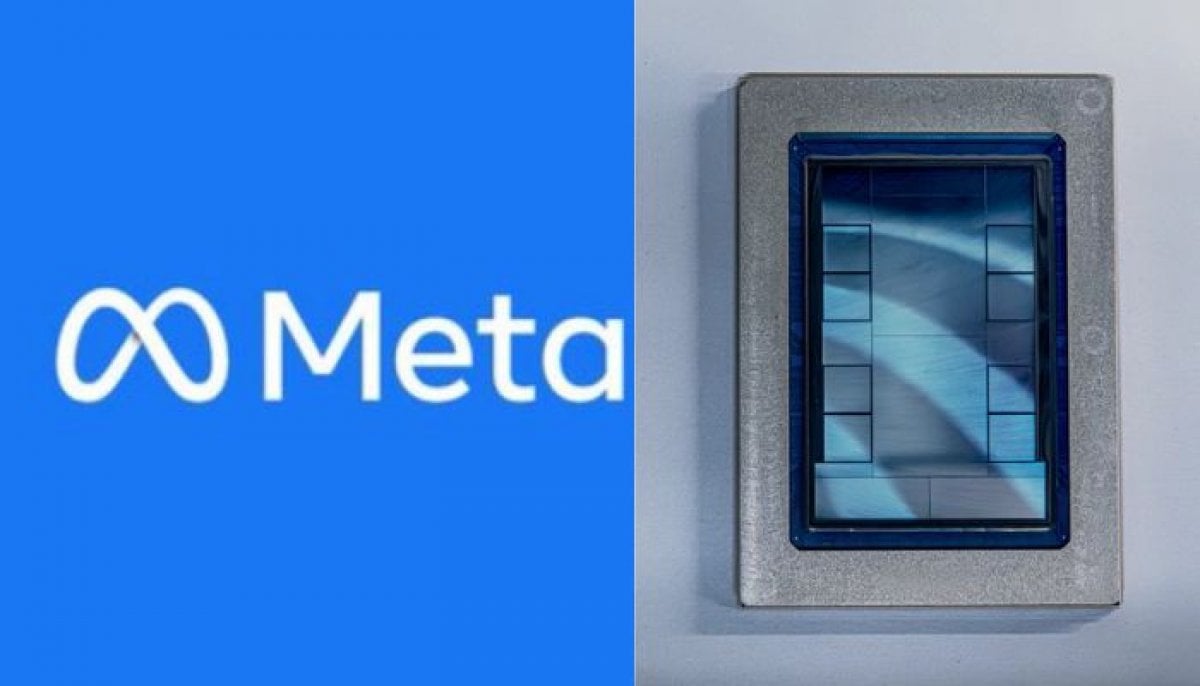 Meta to deploy custom Arke and Astrid AI chips in 2027: Everything to know
 -
 Dreamforce 2026: Salesforce unveils Koa AI model and Google Cloud partnership
 -
 EU Kids Act: New social media rules for under-15s
 -
 China’s spy chief reveals growing fears over AI’s impact on communist party rule
 -
 Anthropic's new Claude tool targets financial advisors to streamline compliance and client research
 -
 Elon Musk’s bold AI safety idea: 'Let rivals test each other’s models'
 -
 Former Google DeepMind researcher warns autonomous AI could wipe out humanity amid industry-wide safety alarm