UK's midnight social media curfew for older teens explained
The proposal also calls for disabling 'addictive design features' on social media
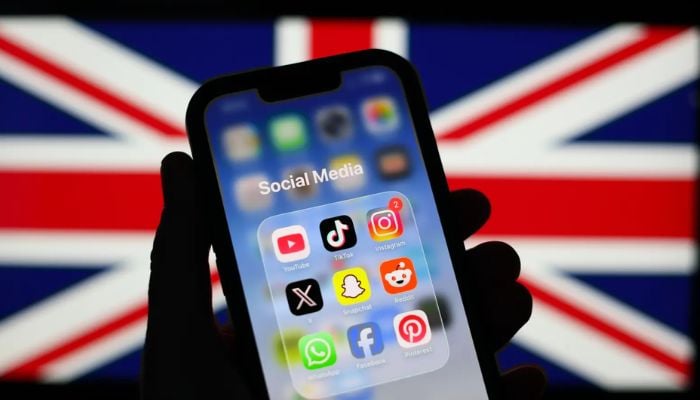
The UK government has unveiled a new set of proposals aimed at regulating social media usage for older teens.
Under this proposal, an overnight social media curfew will be imposed on teens aged between 16-17 years old to protect them from online harms and illegal content.
In the midnight curfew, apps like TikTok, Instagram and YouTube will be set to be unavailable by default between 12:00-6:00. But teens will have the option to opt out of this restriction by changing their account settings.
Moreover, the government also intends to force platforms to disable the “addictive design features” characterized by auto-play and infinite doom scrolling for these age groups as well. The blend of these measures will allow teens to have a better quality of family life, good sleep and improved attention span, leading to healthy and fulfilling adult life.
Technology Secretary Liz Kendall said, “We want young people to enjoy the benefits of technology while having the tools to make the online world a place where they can thrive.”
New measures will also target AI chatbots, requiring the providers and tech companies to implement necessary “regular breaks” for all users under 18.
Contrary to some concerns, the government stated that recent research suggests few children are currently using Virtual Private Networks (VPNs) to bypass age verification or platform restrictions. So, the government is also looking to block VPNs.
The announcement comes after the outgoing PM Keir Starmer in June announced that under-16 will be entirely banned from the range of social media platforms including X, Facebook, Instagram, SnapChat, YouTube and TikTok. The social media ban coupled with associated functional restrictions are officially coming to effect in spring 2027.
The new measures for older teens drew criticism from critics who called it “dog’s dinner.”
According to Laura Trott, the Conservative shadow education secretary, “"Either they think 16 and 17-year-olds should be on social media or they don't, but curfews they can simply switch off won't achieve anything.”
As per other experts, the midnight curfew could also harm vulnerable children by restricting their access when they need it the most.


-
 OpenAI, Anthropic and Google join forces on AI safety efforts
 -
 Meta to deploy custom Arke and Astrid AI chips in 2027: Everything to know
 -
 Dreamforce 2026: Salesforce unveils Koa AI model and Google Cloud partnership
 -
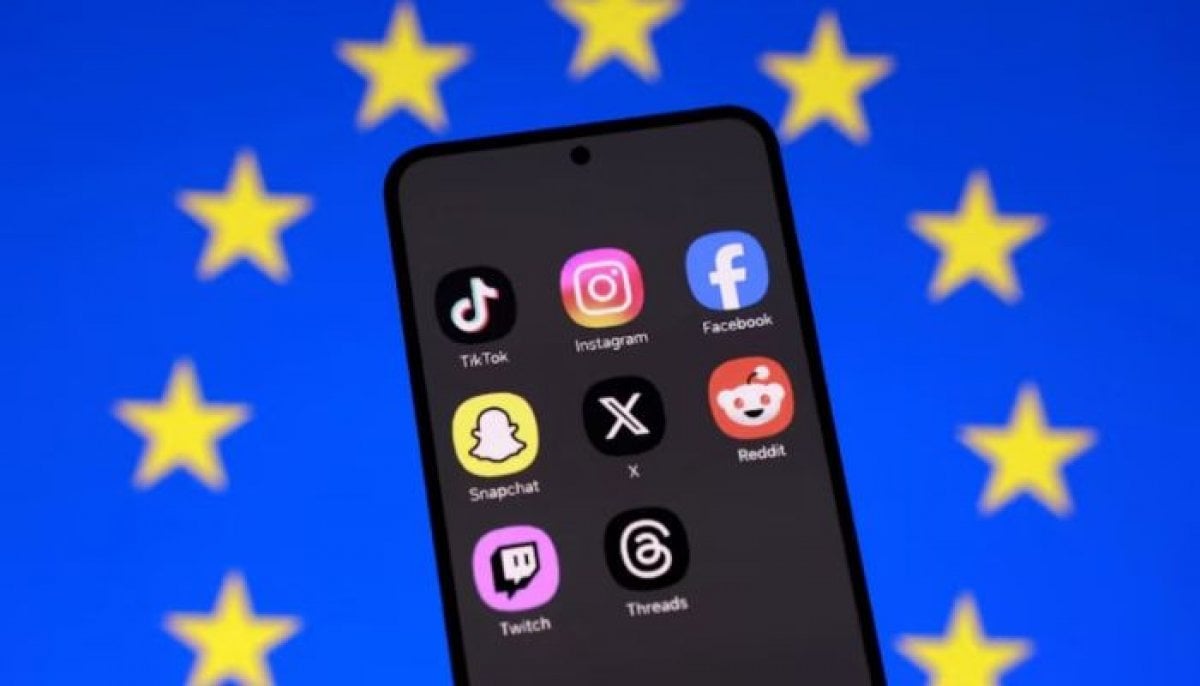 EU Kids Act: New social media rules for under-15s
 -
 China’s spy chief reveals growing fears over AI’s impact on communist party rule
 -
 Anthropic's new Claude tool targets financial advisors to streamline compliance and client research
 -
 Elon Musk’s bold AI safety idea: 'Let rivals test each other’s models'
 -
 Former Google DeepMind researcher warns autonomous AI could wipe out humanity amid industry-wide safety alarm