US Supreme Court ruling reshapes campaign finance in competitive Senate contests
Decision allows parties to spend unlimited funds in coordination with campaigns, potentially shifting Senate race dynamics
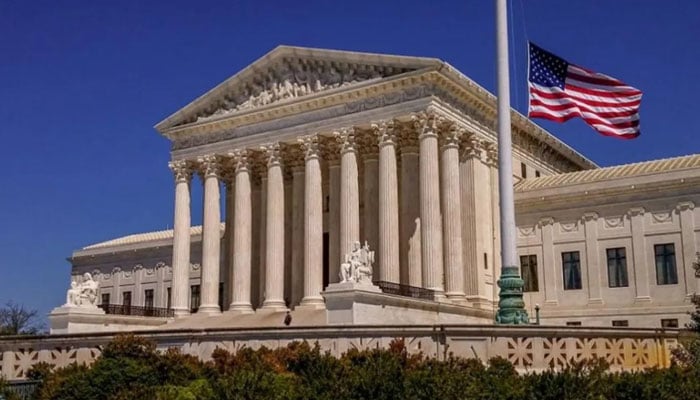
In a landmark Supreme Court decision in National Republican Senatorial Committee (NRSC) v. Federal Election Commission (FEC) the conservative majority struck down decades-old federal limits on how much national political parties can spend in direct coordination with their candidates' campaigns.
In a 6–3 decision split along ideological lines, the Republican National Committee and the Democratic National Committee, among others, will now be able to spend unlimited funds from their big donors in coordination with political campaigns.
As reported this decision could well tilt the playing field in favor of Republicans, who tend to raise more money from big, corporate donors through national committees, over Democrats, whose candidates tend to raise more money from small individual donors.
While the national committees could previously spend on behalf of their candidates, party officials say the restrictions on coordinating their messaging and strategy with individual campaigns made that spending far less targeted and effective.
Under existing laws, donors are permitted to give national political committees tens of thousands of dollars, but their contributions to individual campaigns are capped at $7,000 per election cycle.
Until Tuesday's ruling, coordinated expenditures for Senate races were limited to between $130,000 and $4 million, depending on each state's voting-age population.
The Federal Communications Commission sets campaign advertising rules to ensure candidates are not disadvantaged with "unfairly high advertising rates during the ends of a campaign or rates that differ from their opponents."
The ruling enables "a party to serve as an alternative checking account for a campaign."
Democratic groups in the Supreme Court case, disagreed with the ruling but said Democratic campaigns would benefit in the long run.
"For years, Republicans have pushed the boundaries of coordination limits to make up for the weak campaigns and lackluster fundraising of their House and Senate candidates," they said in a statement. "Now, both parties are free to offer unlimited support to their candidates."


-
 El-Sayed leads Rogers by a narrow margin as Michigan Senate election approaches
 -
 Russia ready for new Ukraine peace talks in November after Putin-Witkoff meeting
 -
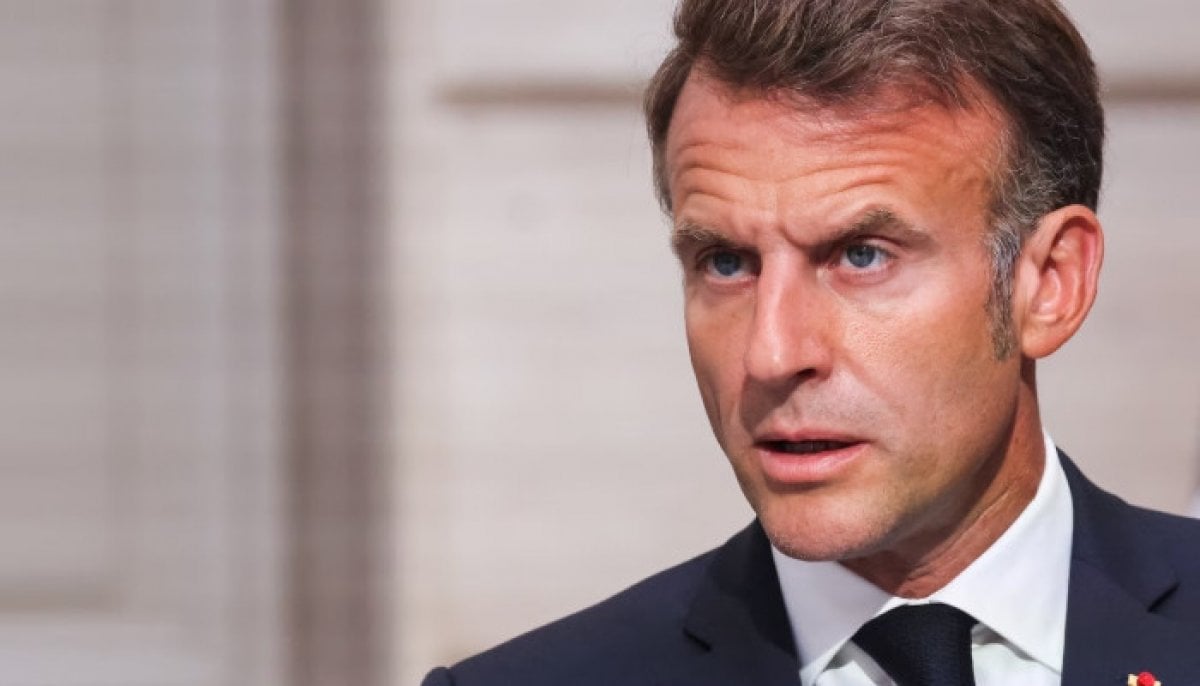 Macron warns Trump, other foreign leaders to stop using France riots for political gain
 -
 Cost of living crisis deepens as fuel price surge pushes UK inflation to 10-month high of 3.5%
 -
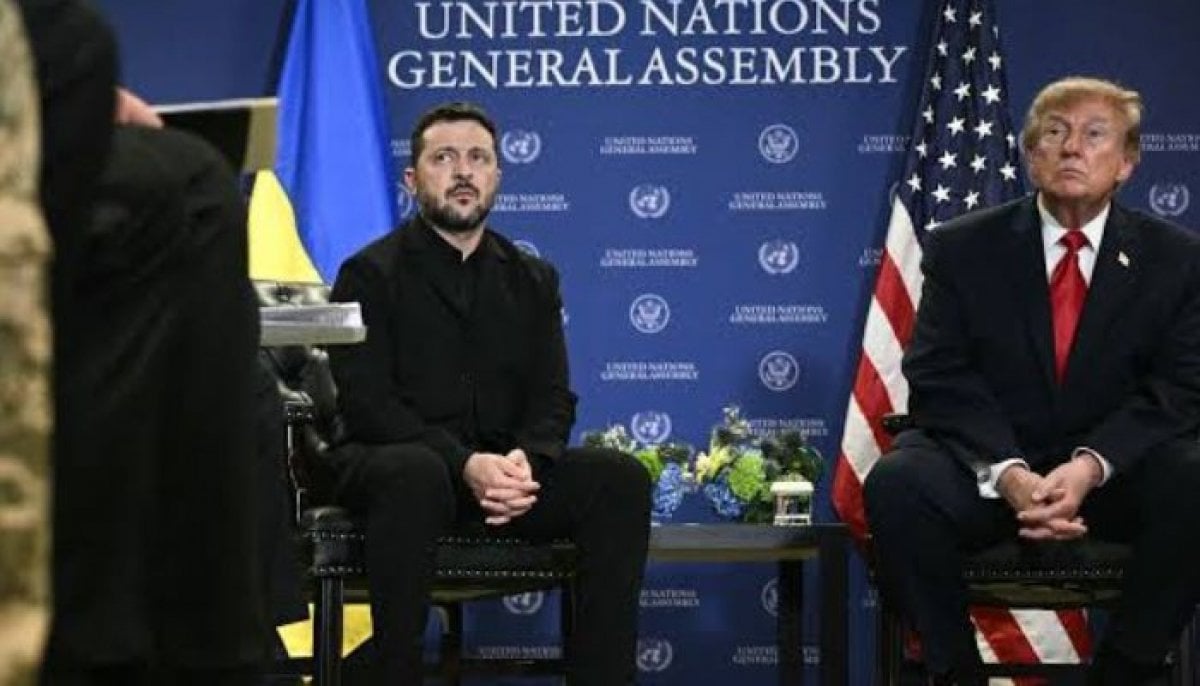 Ukraine’s Zelenskyy backs ceasefire, calls for fresh talks with US and Russia
 -
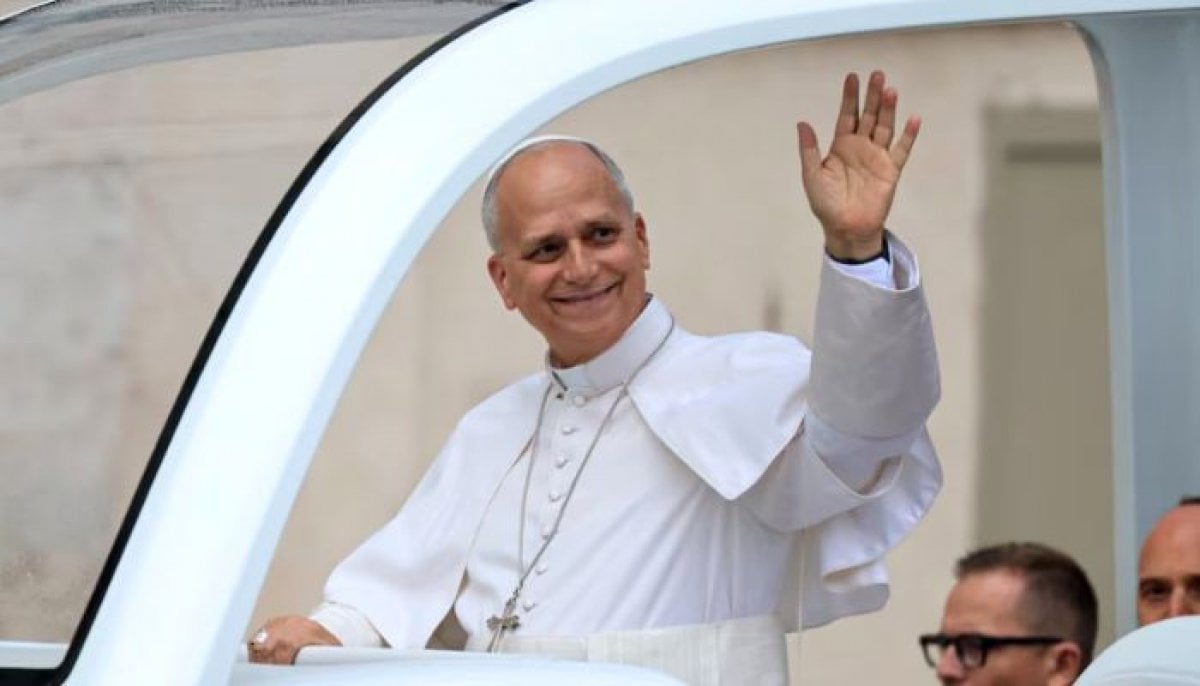 Pope Leo XIV rides popemobile for first time since lung cancer surgery
 -
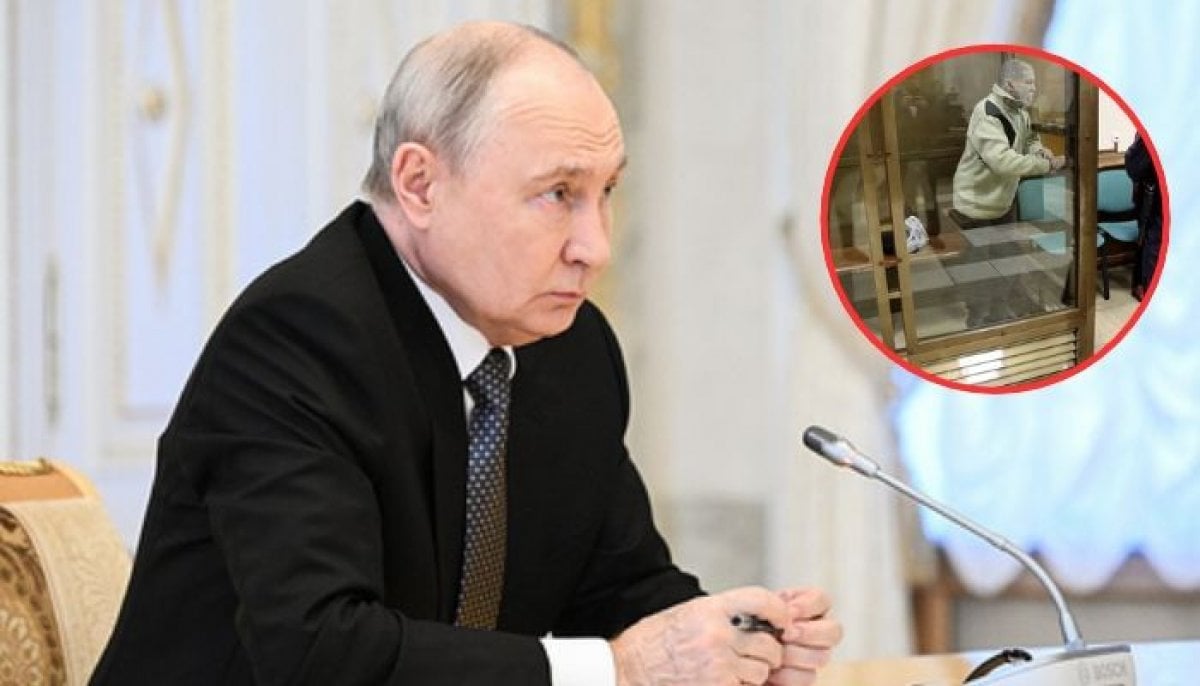 Russia frees 74-year-old US citizen Stephen Hubbard as Putin-Witkoff meeting continues
 -
 UK approved Jackdaw gas field: What it means for Britain climate goals
-
 One dead, one missing after French Mirage 2000D fighter jet crashes in training flight
 -
EU parliament approves sweeping passenger rights overhaul to guarantee 14-day travel refunds
-
Who ordered Starlink slowdown in Ukraine? New report reveals Elon Musk’s role
-
US envoy Witkoff heads to Russia for Putin meeting after ‘positive’ talks with Zelenskyy