Nvidia expands space-1 team to build AI data centres in orbit
Musk SpaceX has for long been advocating for the concept of solar-powered artificial intelligence in orbiting satellites
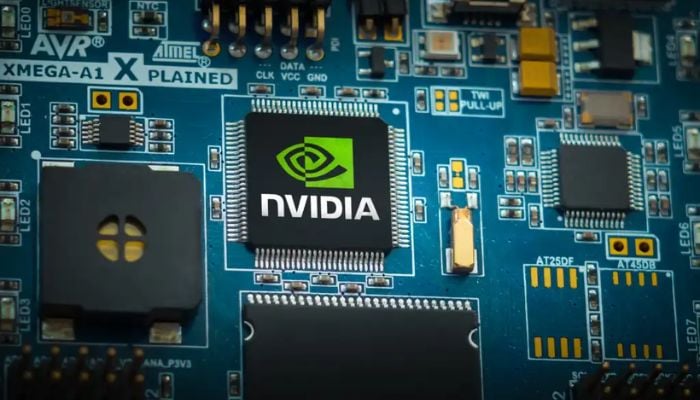
Nvidia has posted a new job opening tied to Space-1, the company's first computing system designed for orbit, signalling continued work on the software side of its space ambitions months after announcing the project at its GTC conference.
The role, titled System Software Principal Architect - Orbital Data Center, will help build the software that runs Space-1.
This posting identifies Space-1 as a Vera Rubin compute platform designed for low Earth orbit operations and intended to be the starting point for an orbital development strategy spanning multiple generations.
The individual in the architect position will be responsible for system software at all layers, including data centre infrastructure to firmware, drivers, and CUDA, with particular emphasis on maintaining the reliability of the system during exposure to radiation and extreme temperature variations.
As posted on Nvidia’s career site, the base salary offered for this position was from $272,000 to $431,250.
However, Nvidia is not alone here. SpaceX, owned by Elon Musk, has for long been advocating for the concept of solar-powered artificial intelligence in orbiting satellites, and a Wall Street Journal article in May reported that Google was negotiating with SpaceX on a rocket launch agreement that would see orbital data centres put in space.
It is worth noting that Huang has always been rather careful about when that can happen. In Nvidia's recent earnings call, he noted that the economics of space computing have not been easy in the present but will gradually get better in the future, which is much more realistic compared to Musk's assertions.


-
 White House asks OpenAI and Anthropic to hold AI models from UK testers until U.S. review: Here’s why
 -
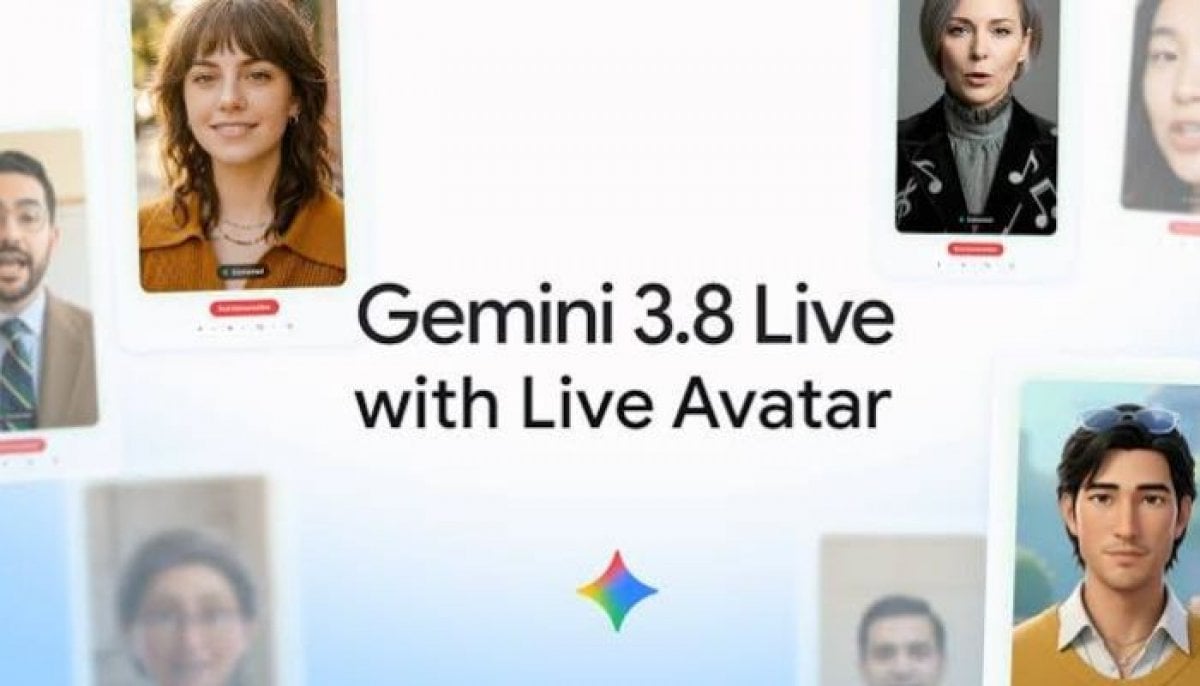 Gemini 3.8 Live gets major visual upgrade with new avatar feature
 -
 Apple rolls out a fix for iPhone 18 Pro reboot bug: Key details
 -
 iPhone 18 Pro faces face ID glitches days after launch
 -
 TikTok drops appeal, agrees to pay £12.7m child data fine
 -
 Spotify now lets Meta Muse control your music by voice
 -
 Does your company know what employees put into AI tools?
 -
 China confirms first AI dialogue with US: Key details to know