Google shuts down Pixel Studio App: Here’s why
Pixel Studio v2.3 disables AI image generation app entirely, replacing it with prompt to open Gemini and Nano Banana image tool

Google has officially pulled the plug on Pixel Studio, its dedicated AI image generation app for Pixel devices, with a new update that disables the tool entirely and redirects users to Gemini, bringing a short and turbulent product life to a close.
The latest update removes Pixel Studio's core image generation interface and replaces it with a single prominent "Open Gemini" button linking to the Play Store. A message above it reads: "To create images and animations, try Nano Banana in the Gemini app."
However, existing creations that have been saved in the application can still be accessed at least for the time being, in accordance with the information provided by Google when the shutdown was first announced in February.
The latest update is being rolled out slowly, but as reported by Android Authority, an APK file of the updated version of the app has already been obtained, along with screenshots showing the app’s disabled status.
Pixel Studio was released in mid-2024 with the Pixel 9 series as a platform specifically designed for the generation of AI images. Initially, the programme struggled when released, facing various issues immediately following its release, which were gradually addressed by Google through successive improvements.
The programme later gained additional features, including Gboard support, people-image generation, and generative AI photo editing, indicating that the product remained a priority for Google at least until mid-2025.
Pixel Studio's shutdown aligns with a trend that has been observed in Google, where its standalone AI applications have been absorbed into Gemini. Nano Banana Gemini has been designed specifically as a successor to this function, thus reducing any need for Pixel Studio users to seek alternative solutions for their needs.
Additionally, it helps streamline Google's product offerings during a period when Google is facing pressure to formulate an overall strategy concerning its AI products instead of having a fragmented approach.




-
 China reaches major milestone as domestic DUV chip tools enter mass production
 -
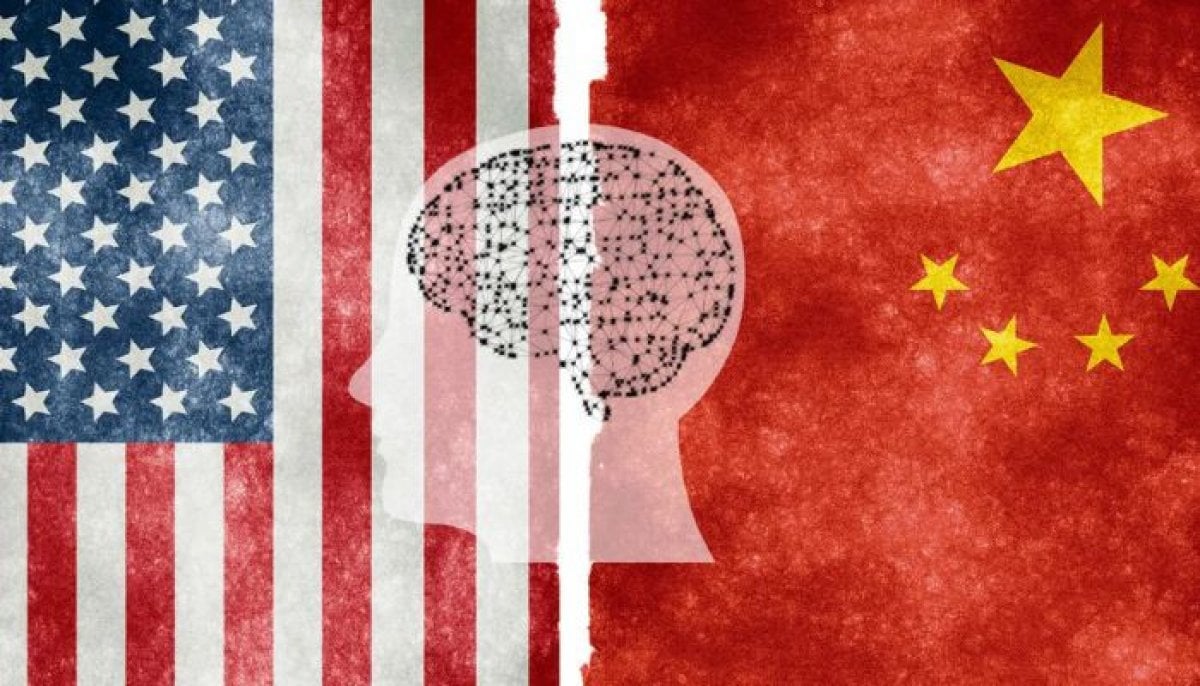 China vs US tech rivalry escalates as Beijing accuses Washington of ‘AI hegemonism and distillation’
 -
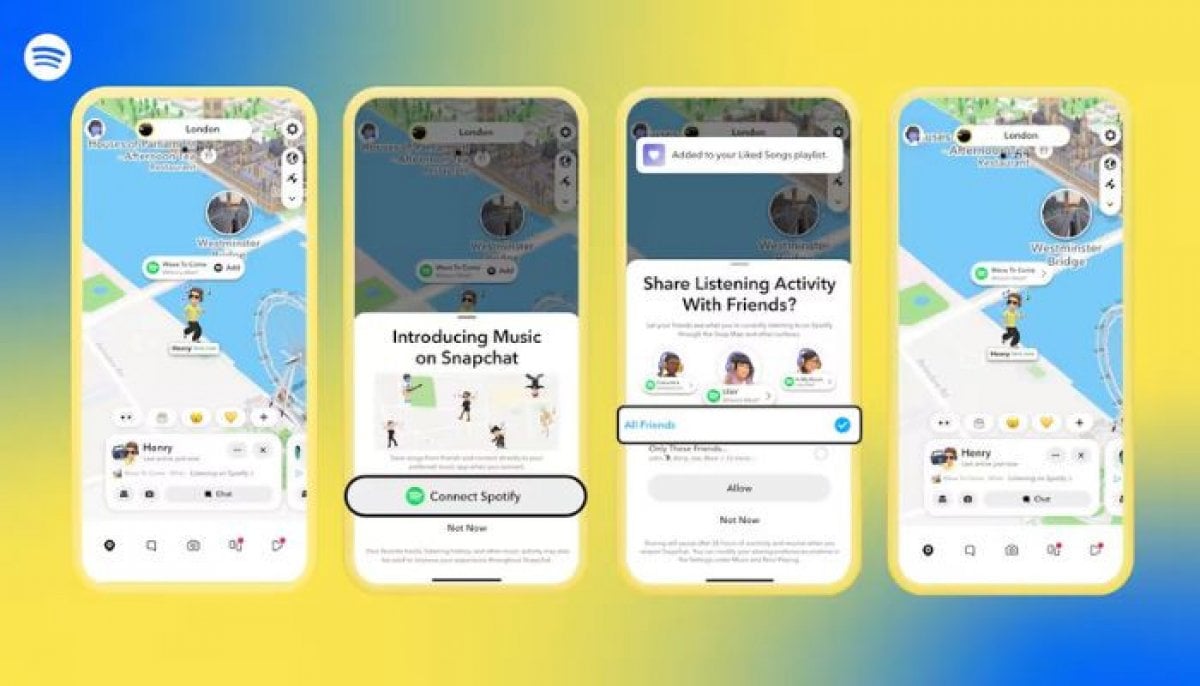 Snap Map rolls out Now Playing feature: Check details
 -
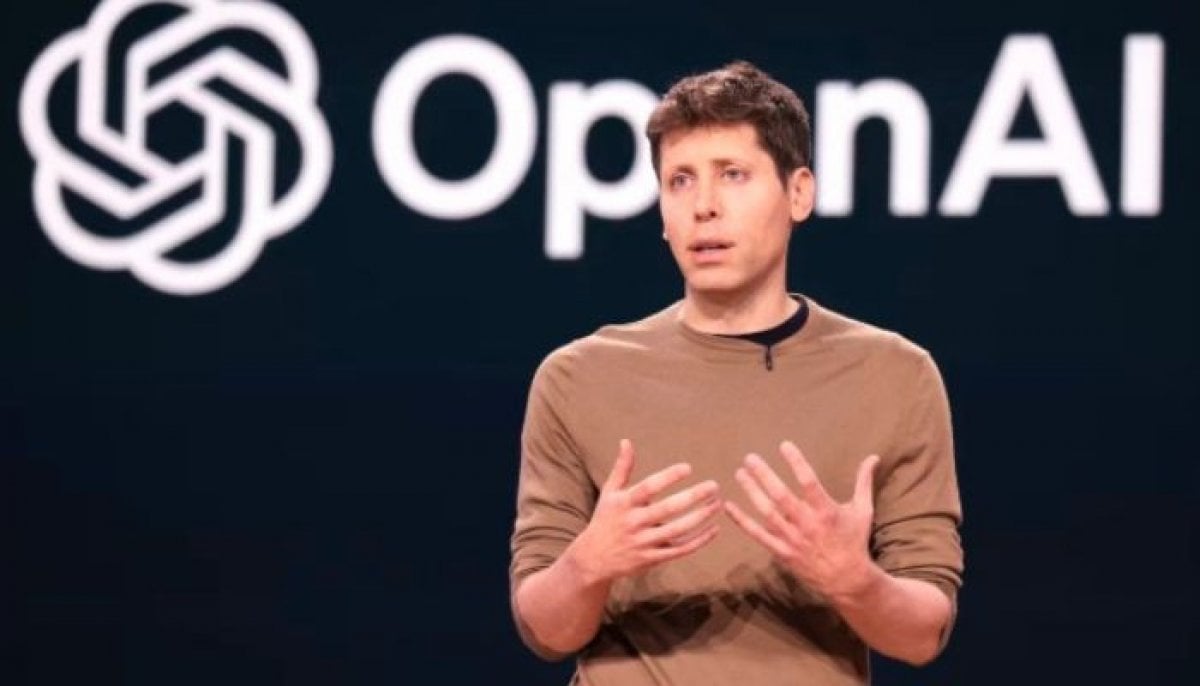 OpenAI to expand Dublin workforce threefold as European operations grow
 -
 Former Amazon scientist bets on cheaper AI to disrupt voice race
 -
 Nvidia forms industry-wide AI security alliance after Hugging Face hack
 -
 Trust, not price, will decide US-China AI race: Microsoft CEO
 -
 Apple Smart Glasses likely to debut at WWDC 2027: Check expected price