
Scientists reveal real cause of low fertility rates, say it is not 'biological'
Study suggests fertility decline driven more by social, economic factors than biological infertility

We always relate infertility with biological factors, but that's not true. There are a number of other reasons involved in low fertility rates among individuals.
Scientists reveal a global drop in fertility has a number of causes, but rising biological infertility or infecundity is not one.
A new study revealed toxins plus climate harms are likely the cause of reduced fertility.
Recent reports of a paper by Shanna Swan, the writer of Spermageddon, and others have claimed the paper shows that exposure to pollutants has been driving down biological fertility and may be contributing to the downturn of fertility rates in recent years, which is unlikely to be believed.
A meta-analysis published last year, which controlled for regional variation, found that sperm counts increased in the US in recent years.
Although there are other mechanisms by which biological fertility could be affected, time to pregnancy TTP directly tracks how quickly couples conceive.
TTP increased in Britain in the late 20th century and has been stable between 2002 and 2017 in the US for women under 30, only increasing by about 4% for women who already had a child.
Meanwhile, infertility has been staying around the same or decreasing in developed countries in recent years.
This suggests that trends in pollution-related damage to fertility, if they exist at all, are not responsible for recent falls in fertility rates.
Explanations for recent trends would be better off looking at the turning point; across much of the Western world, fertility rates peaked around 2007-10 and have been in decline since.
We would therefore be better off examining economic conditions and smartphone usage and its effects on coupling as likely causes of the fertility bust.
Notably the study was revealed by Peter Foreshaw Brookes, Director of The Centre for Family and Education.






-
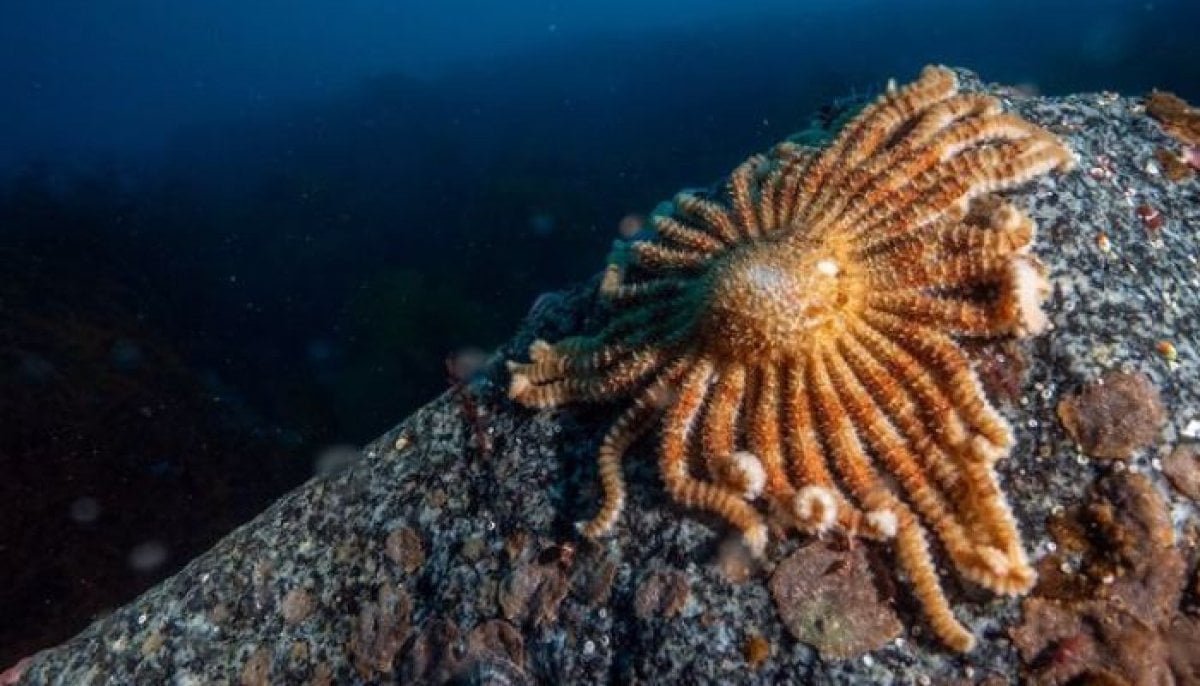 Scientists discover tiny Antarctic sea creature that could help fight melanoma
 -
 Is UK heading for another heatwave? Here's what the latest forecast says
 -
 Shocking discovery at 'no-kill' shelter leaves dog owners distraught
 -
 EU launches investigation into Sanofi over alleged flu vaccine disparagement
 -
 How to survive Heatwave: Expert tips to stay cool in extreme temperatures
 -
 Rare genetic clue linked to healthy aging found in long-lived families
 -
 French fries raise diabetes risk 20%: New study warns
 -
 Study shows near-zero cervical cancer risk in young women


