New yellow fever vaccine proves as safe and effective : A complete guide
Yellow fever causes between 29,000 and 60,000 deaths annually, despite the existence of safe vaccines

A promising new weapon in the global fight against yellow fever has emerged. Spread to humans through the bites of infected mosquitoes, the virus causes symptoms ranging from mild fever-like aches and pains to severe liver disease.
According to a recent study, it has found that a new yellow fever vaccine, called vYF by Sanofi, works just as well as the current licensed vaccine, YF-VAX. Yellow fever causes between 29,000 and 60,000 deaths annually, despite the existence of safe vaccines.
Previous severe outbreaks in Central Africa and Brazil exhausted global emergency supplies, forcing the use of fractional doses. Since there are no antiviral cures for yellow fever, vaccination is the only effective defense. The vYF vaccine was developed by Sanofi; unlike traditional vaccines, vYF is grown in Vero cells. This new method allows for higher yields and more efficient production, directly addressing the global shortage of doses. A total of 485 healthy adults (aged 18-60) participated in the clinical trial.
This randomized, observer-blind study compared the new vYF vaccine head-to-head against the established VF-VAX. A total of 329 participants received vFF, while 156 received VF-VAX. The key results showed that 99.7% of the vYF group developed protective antibodies within 28 days, nearly identical to the 99.4% success rate of the YF-VAX group.
In both groups, antibody levels peaked at day 29 and declined at similar rates over the following year. No major safety issues were identified. Side effects were mild, and no participants withdrew due to adverse reactions. Once it receives final approval, vYF will provide a scalable, high-volume tool to prevent future vaccine shortages and control global outbreaks.


-
 New personalized cancer vaccine cuts Melanoma recurrence risk by 42%, trial shows
 -
 Prime editing rewrites DNA inside human body for the first time
 -
 WHO investigates mystery Ebola case in Nigeria as outbreak spreads beyond DR Congo
 -
 Virginia Sen. Louise Lucas indicted on racketeering and marijuana charges
 -
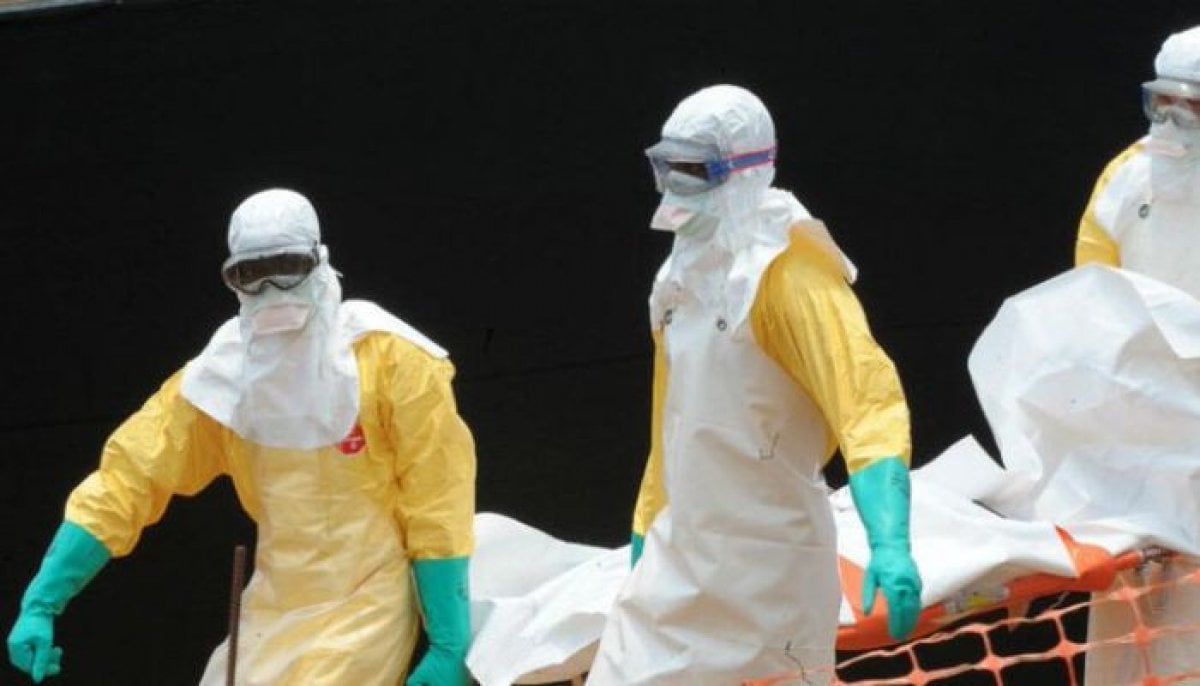 France confirms world's first human case of Shamonda virus; patient dies
 -
 OpenAI agents uncover brain disease leads: Here’s how
 -
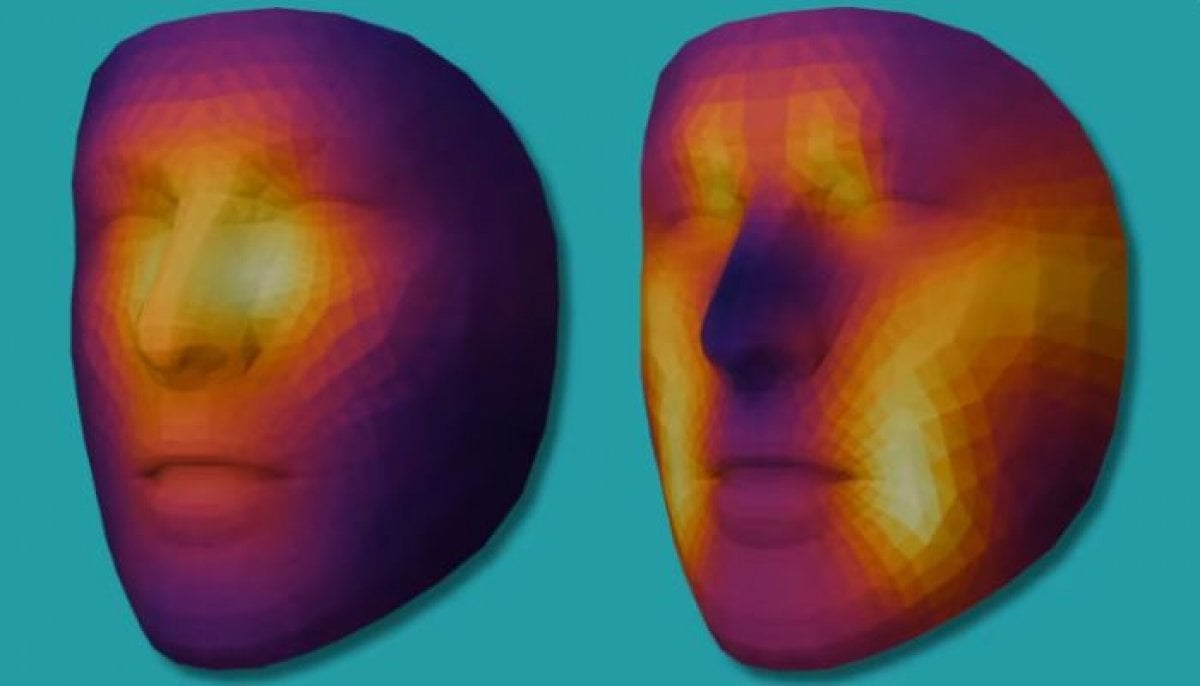 AI tool can now predict cancer survival by a single patient selfie: Find out how
 -
 Scientists identify a new type of depression affecting 1 in 4 patients
-
 Everything to know about US FDA’s new guidance on apps used with prescription drugs
 -
‘Immortal’ jellyfish could hold clues to slowing human ageing
-
Ebola crisis worsens in DR Congo as virus reaches eighth province with over 4,500 dead
-
Study finds eating blueberries every day can surprisingly boost your mood