Universe collision theory is back in spotlight after a new discovery: Here’s why
The Big Bang wasn't an explosion from a single point. It was a fiery collision between our universe and another parallel universe in a higher dimension, a new study reveals
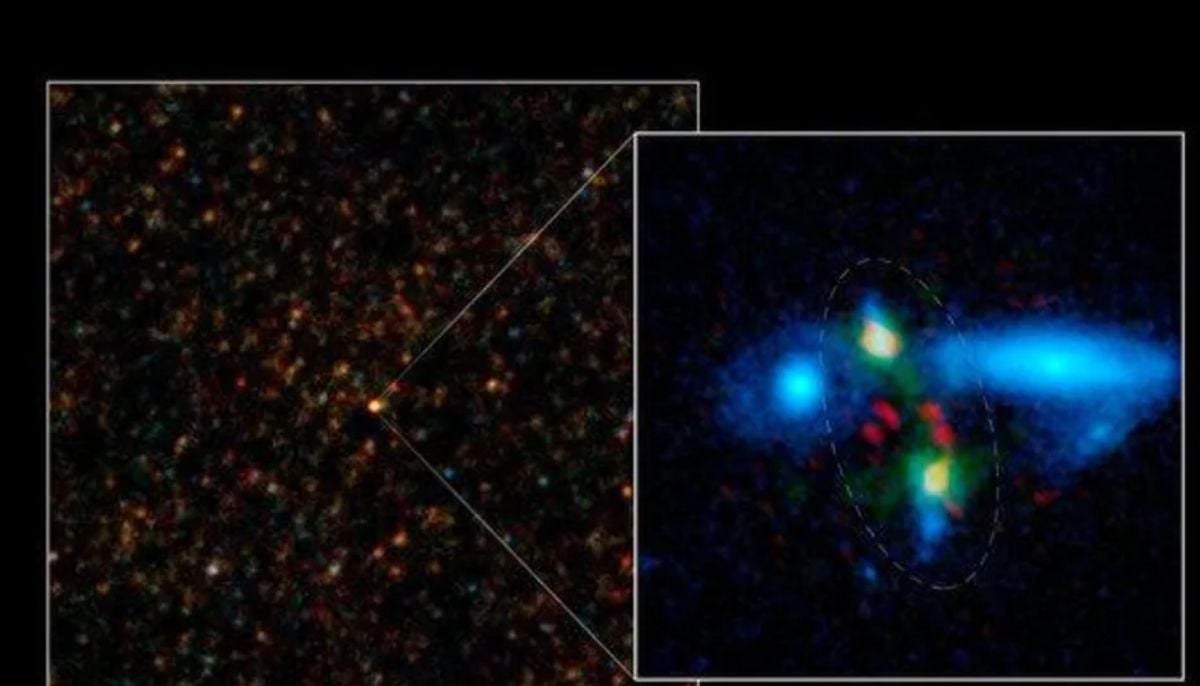
A series of viral social media posts drew attention to an old cosmological theory-that our universe began from a collision between two separated universes-as a brand new scientific discovery.
However, recent posts from accounts like All day Astronomy shared dramatic headlines about our universe emerging from a fiery crash between parallel branes in higher dimensions, echoing the 2001 Ekpyrotic model by Paul Steinhardt and Neil Turok.
This fringe theory, stemming from string theory, aims to explain the universe’s flatness and uniformity without cosmic inflation by suggesting cycles of bangs and crushes. Experts note it lacks empirical evidence and clashes with data from missions like Planck, while mainstream cosmology adheres to the standard Big Bang model from 13.8 billion years ago. Meanwhile, reactions have ranged from skeptics debunking the hype to philosophical takes blending science and fiction.
It has been observed that the Big Bang wasn't an explosion from a single point; rather it was a higher-dimensional collision. According to the ekpyrotic model, the event we call the Big Bang was actually a violent, fiery impact between our universe and a parallel universe. When these two massive cosmic sheets smashed together, the sheer kinetic energy of the impact ignited, instantly converting into the scorching plasma matter, and radiation that fill our reality today.


-
 ‘I should have won’: Trump reacts to Nobel Peace Prize snub
 -
 Pope Leo XIV leads global calls to abolish the death penalty on World Day
 -
 Jamie Carragher, Piers Morgan in heated clash over Cristiano Ronaldo
 -
 Trump diesel announcement fails to change Germany’s stance on Russia
 -
 What Earth looks like from space: Crew-12 astronaut shares ‘powerful’ view
 -
 Elon Musk calls Mukesh Ambani ‘Prime Minister’ in Starlink row
 -
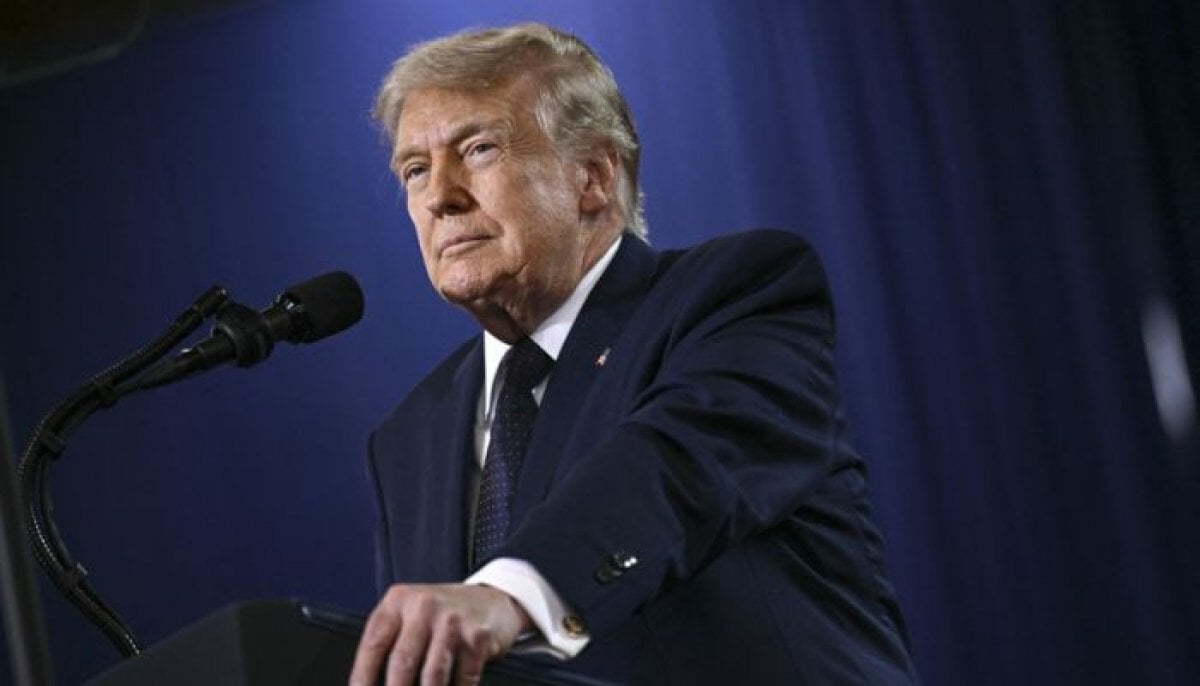 Trump slams Norway over Nobel Peace Prize snub: ‘Indelible stain’
 -
 Sofía Vergara seems to respond quietly as ex Joe Manganiello’s memoir makes headlines