Multivitamin could slow biological clock and ageing process, new study shows
Scientists found that daily multivitamins slowed certain measures of biological aging over a two year period

A new multivitamin biological clock study suggests that taking a daily multivitamin could slightly slow some markers of biological aging.
According to research published in Nature Medicine, scientists found that daily multivitamins slowed certain measures of biological aging over a two year period, though the effect was small.
Researchers analyzed 958 healthy participants with an average age of about 70 and were divided into groups that received combinations of cocoa extract, multivitamins or placebos.
Blood samples were collected at the beginning of the study and again after one and two years.
Scientists examined DNA methylation patterns, often called “epigenetic clocks,” which are used to estimate biological age.
After adjusting for factors such as age and sex, the researchers found that people taking daily multivitamins showed slower biological aging in two of the five epigenetic clocks compared with those taking a placebo.
The change was equal to about four months less biological ageing over two years.
“Ultimately, it is critical to determine the clinical relevance of our findings,” the researchers wrote.
Dr Howard Sesso, senior author of the study at Mass General Brigham, said: “There are no known risks for taking a multivitamin in our two large clinical trials. At the same time, we do not know for sure who benefits, and how.”




-
 At least 13 killed, thousands affected after flash flooding hits Ghana
 -
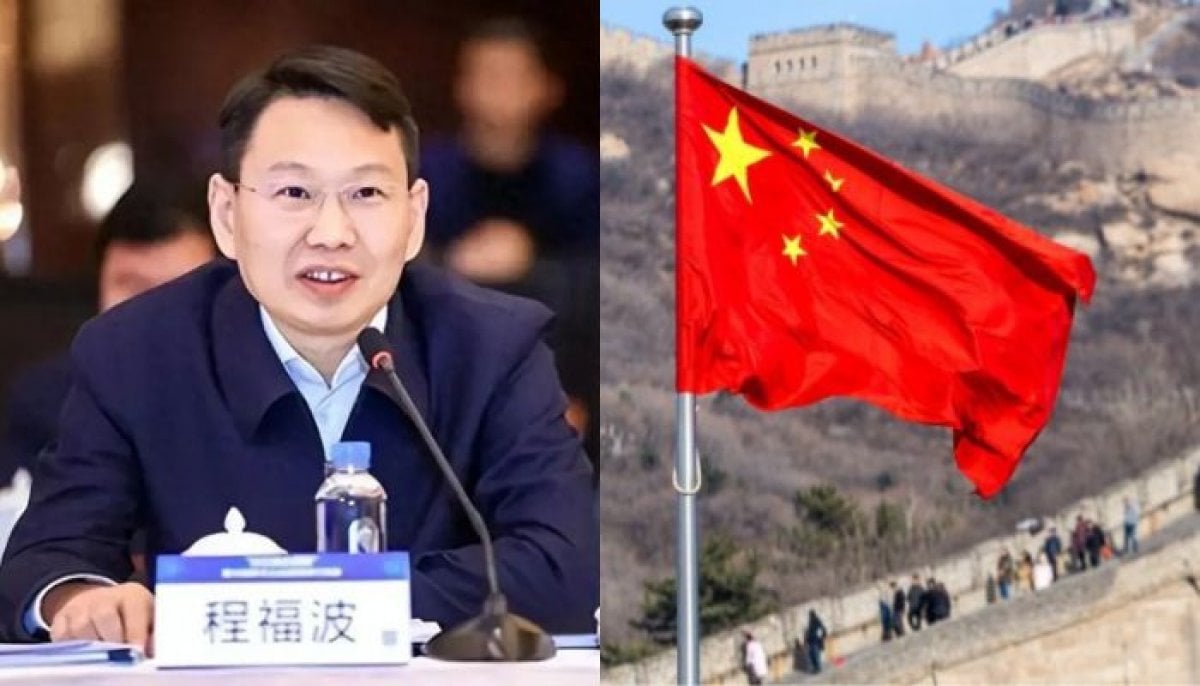 China appoints Cheng Fubo as new Communist Party chief of SASAC
 -
 Can Trump end birthright citizenship? US Supreme Court is about to decide
 -
 ‘Doesn't care’: Kash Patel under fire for sharing FBI case details on social media
 -
 Athens Building Collapse: All trapped residents rescued safely, investigation underway
 -
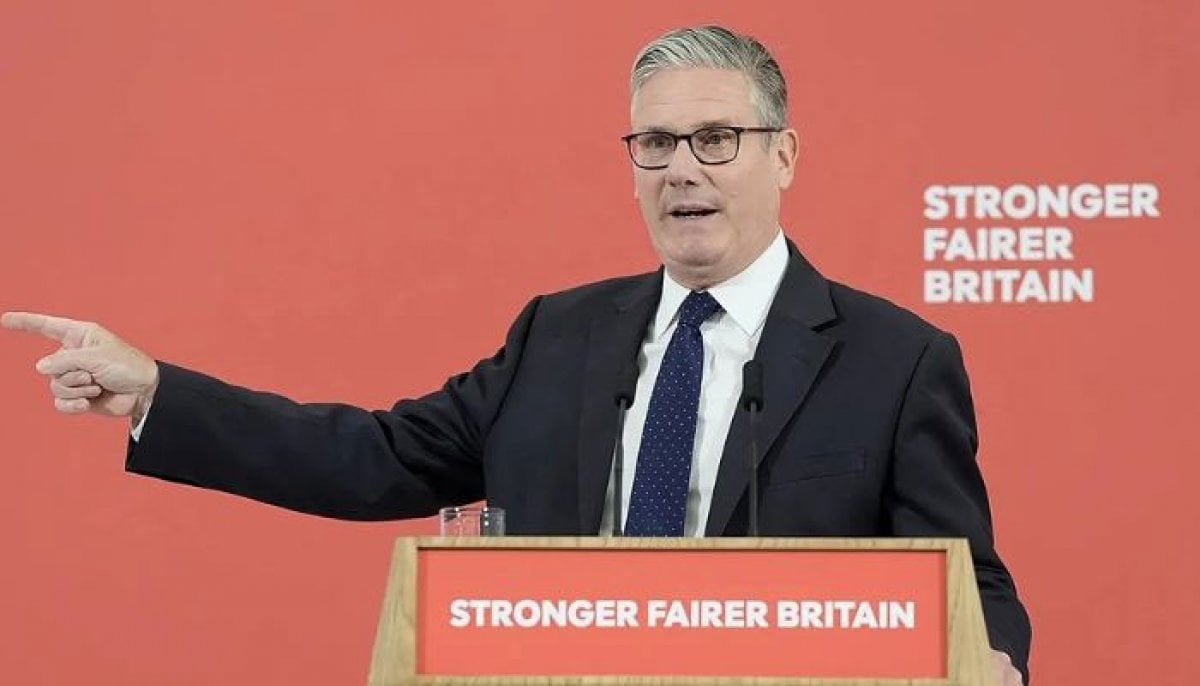 Inside Keir Starmer’s ‘game-changing’ defence investment plan for UK: Key highlights
 -
 Who targeted the Ukrainian-born business leader? Monaco parcel bomb sparks major investigation
 -
 Are US-Iran talks off the table? Qatari officials give crucial update