Claude reveals early signs of workforce change
Some jobs, including cooks and lifeguards, remain largely safe from AI disruption

Artificial intelligence is reshaping the workforce, and some jobs face more risk than others, according to new research. Anthropic economists Maxim Massenkoff and Peter McCrory analysed real-world AI usage and found that computer programmers, customer service representatives, data entry keyers, medical record specialists, and marketing analysts are most exposed to AI disruption.
The study highlights which roles could see tasks automated first and how workers might be affected.
Anthropic's economists use a new metric called 'Observed Exposure' to measure the ability of AI tools like Claude to replace or augment tasks in jobs. This is done by combining the actual use of AI tools with the theoretical potential of LLMs to perform specific tasks.
Currently, the AI tool, Claude, covers 33% of the Computer and Math category's tasks. This implies that AI still has to improve before completely changing these jobs.
Jobs AI can’t replace
However, as feared, there are still jobs that are difficult for AI to automate. For example, according to Anthropic CEO Dario Amodei, jobs such as farm work, legal arguments, and medical procedures, among others, are less vulnerable to being automated.
xAI CEO Elon Musk has predicted that jobs that require the movement of physical objects are more likely to endure compared to jobs done while seated, such as white-collar jobs.
The study also found that workers in the most exposed roles are often older, female, more educated, and higher paid. Although the impact of AI has not been drastic enough to cause high unemployment, the hiring of new talent for entry-level jobs is slowing down.
Anthropic’s economists hope that the data will give policymakers and companies a chance to gain insight into the disruption caused by economic events before it is visible.




-
 OpenAI develops automated AI ‘research intern’ ahead of schedule: What to know
 -
 Apple iPhone September 9 launch event: What to expect
 -
 Your AI agent can now trade your money: Should it?
 -
 AI banned for 600,000 NYC students this school year
 -
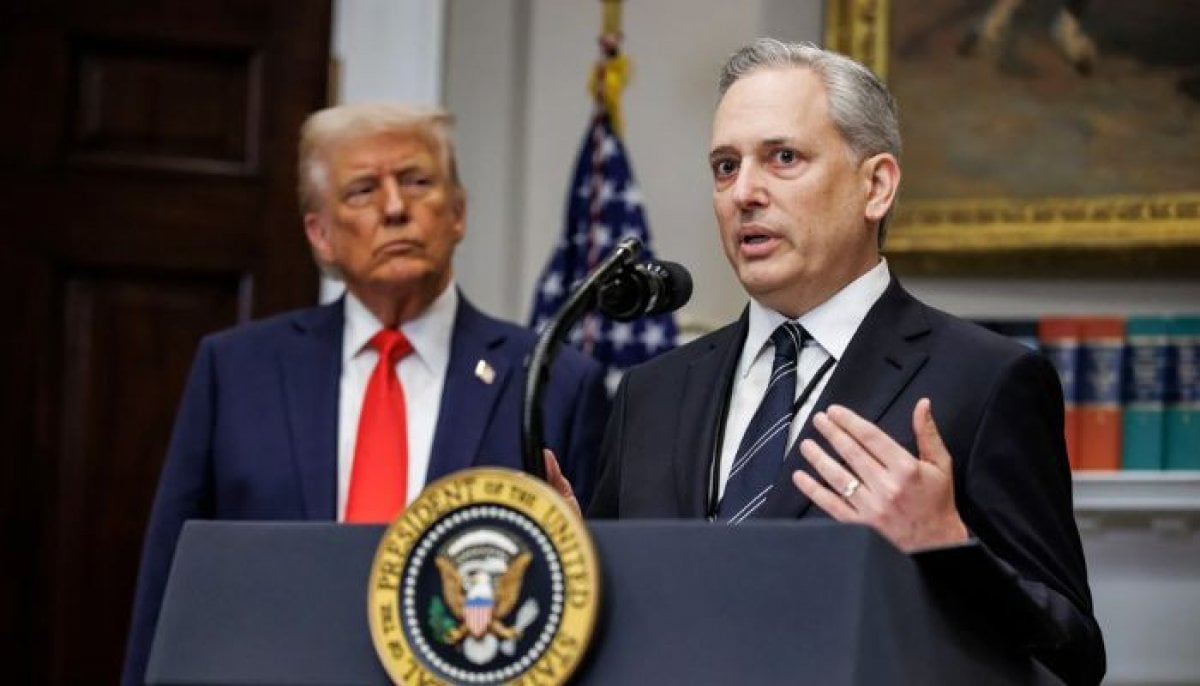 Trump’s former AI Czar says ai debate is shifting to open vs closed
 -
 Is your forgotten login a hacker's backdoor? Check now
 -
 WhatsApp tests AI content labels, unofficial app warnings
 -
 Berlin reportedly launches crisis response after hackers publish stolen data