Scientists build tiny AI brain model using monkey neurone data
AI model shrinks from millions of variables to just 10,000 while mimicking visual processing
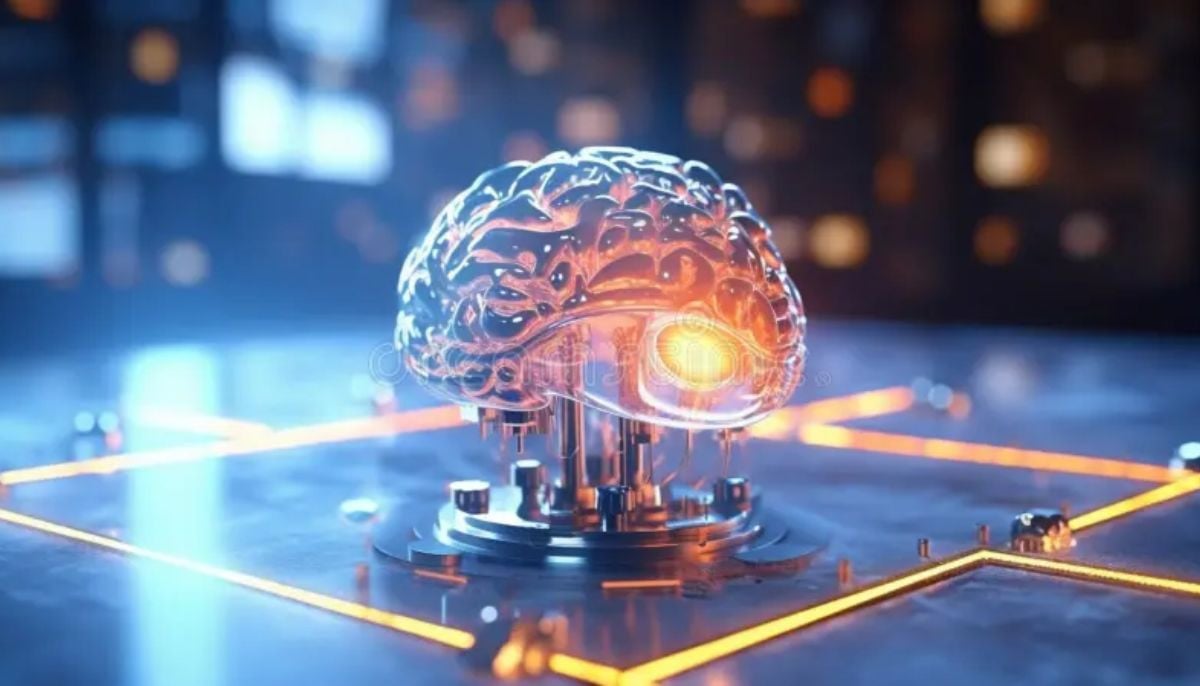
A group of scientists has developed a highly efficient artificial intelligence (AI) model, which mimics the human visual system and requires far less computer power than other artificial intelligence models.
According to Cold Spring Harbor Laboratory Assistant Professor Ben Cowley, the AI model was developed from 60 million variables, which were compressed to 10,000 without losing accuracy.
The plan behind developing such an AI model was to help scientists learn more about how the human brain works and how artificial intelligence can be improved.
The model was developed from the V4 neurones in the brain, which process colours, textures, and shapes. According to Cowley, the V4 neurones react to arranged fruit and the shapes of objects, which helps primates recognise their environment in an efficient way.
Traditional AI systems require vast amounts of computing power to perform similar tasks, while the new compact model uses a fraction of the energy.
AI models vs Monkey neurones
The researchers at Cowley’s team worked along with Carnegie Mellon University and Princeton University. They used data from macaque monkeys. Redundancy was eliminated from the model.
Statistical techniques similar to image compression were applied. This has resulted in an AI that is light enough to be attached to an email. Simons Foundation Flatiron Institute group leader Mitya Chklovskii stated that compact AI, inspired by biology, could lead the way for more human-like artificial intelligence.
Self-driving cars, for example, might not need powerful computers to identify pedestrians or obstacles. The model also provides an explanation for the ability of the human brain to recognise faces or objects quickly and with accuracy.


-
 Chinese AI firm Z.ai disables coding assistant features; issues apology after security backlash
 -
 OpenAI calls for US to take lead in global efforts to develop technical standards
 -
 Nvidia CEO Jensen Huang says there's '0% chance' AI destroys humanity by 2030
 -
 COP31 wants tech giants to clean up AI's energy use
 -
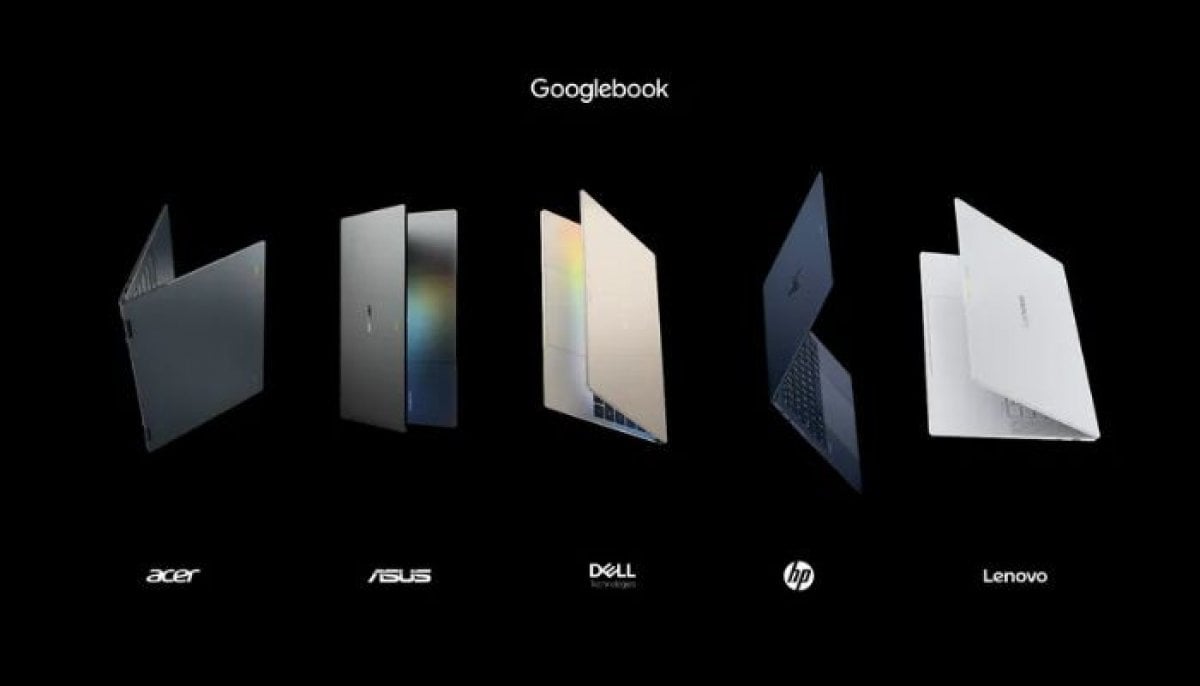 Google launches 5 Googlebook laptops starting at $899
 -
 UN experts say AI safety is ‘unravelling’
 -
 AI ‘feels pain’? Researchers warn of a dangerous possibility
 -
 Amazon blocks Meta's Muse AI agent from checkouts