China targets tech innovations amid high stakes rivalry with US: Key strategies explained
Beijing is set to target GDP growth of 4.5-5 percent for 2026
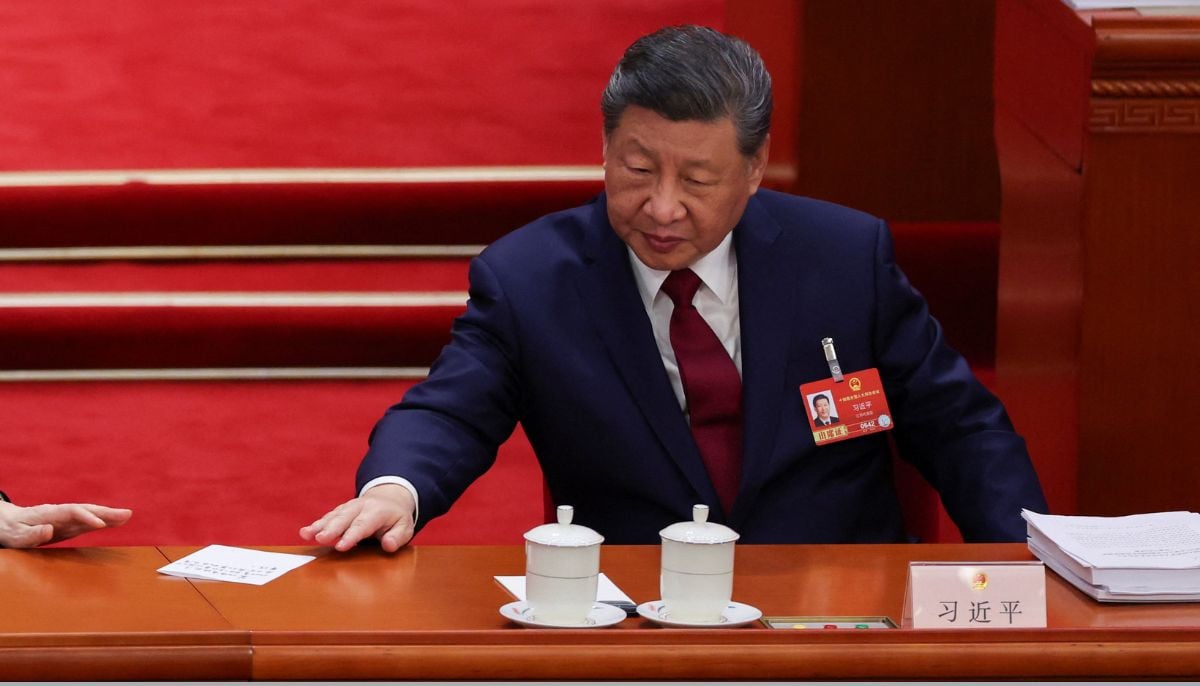
China in the Two Sessions has pledged to boost investment in high-tech industries and scientific innovation, aiming to strengthen self-reliance and national security in the midst of growing competition with the US.
At the opening of the biggest political event, Premier Li Qiang praised China’s resilience against the Trump administration’s tariff hikes while lamenting the strained multilateralism and eroded free trade in the world order.
High-tech development model
During the meeting, the Chinese authorities announced a 7 percent increase in research & development and defence budget. Moreover, Beijing would also inject 300 billion yuan into state-owned banks to boost financing for tech companies.
China’s 15th five-year plan also vowed hefty investments in upgrading innovation and industrial outputs. It also aims for core “digital economy industries” to reach 12.5 percent of GDP.
The roadmap also focuses on introducing the new policies or integrated national data market and building a system to prevent AI security risks.
China in the coming years will shift its strategic focus to semiconductors, AI, machine-brain interfaces, biomedicine, and drones. When it comes to electric vehicle systems, Beijing aims to double their number within 3 years.
Additionally, the world’s second largest economy has pledged to establish “hyper-scale” computing clusters supported by cost-effective and abundant energy.
According to Andy Ji, Asian FX & rates analyst at ITC Markets, "Beijing is trying to manage a 'controlled glide' in growth while building a new economy based on technology rather than property.”
"It is a high-stakes rebalancing where the government is betting the house on AI and advanced manufacturing,” he added.
Economic targets and imbalances
Besides high-stakes tech push, China has set a lower and more cautious growth target for the year, reflecting its focus on structural health over raw speed.
Beijing is set to target GDP growth of 4.5-5 percent, a slight decrease from last year’s 5 percent.
Fred Neumann, chief Asia economist at HSBC, said, "China’s government remains laser-focused on spurring technological breakthroughs and high-tech investment. Many international observers may be left disappointed, therefore, by slower progress in rebalancing the economy away from investment towards consumption.”


-
 Ron Duguay, former New York Rangers forward, dies after cancer battle
 -
 Kathy Hochul gets campaign boost from NYC Mayor Zohran Mamdani ahead of midterms
 -
 Abdul El-Sayed and Mike Rogers clash over Trump, patriotism in Michigan Senate debate
 -
 Russia attacks Kyiv hours after peace talks announcement, killing two and injuring 22
 -
 Macron vows to ban non-union protests, blames ultra-left groups as unrest grips France
 -
 Trump's massive DC arch could begin construction days after US midterm elections
 -
 Putin-Witkoff meeting: 5 key takeaways on Ukraine peace talks
 -
 Sheriff Chris Nanos insists Nancy Guthrie was taken alive
-
 Yankees extend Brian Cashman's tenure after another disappointing playoff exit
 -
Poland's abortion ban faces new challenge as lawmakers vote to loosen restrictions
-
New York Democrat Brad Lander released after detention in West Bank
-
Ohio chemical tank explosion triggers mass evacuations and shelter-in-place orders in Toledo