Here’s how AI translates brain signals into words
Brain implants and machine learning systems are turning imagined words into real-time communication
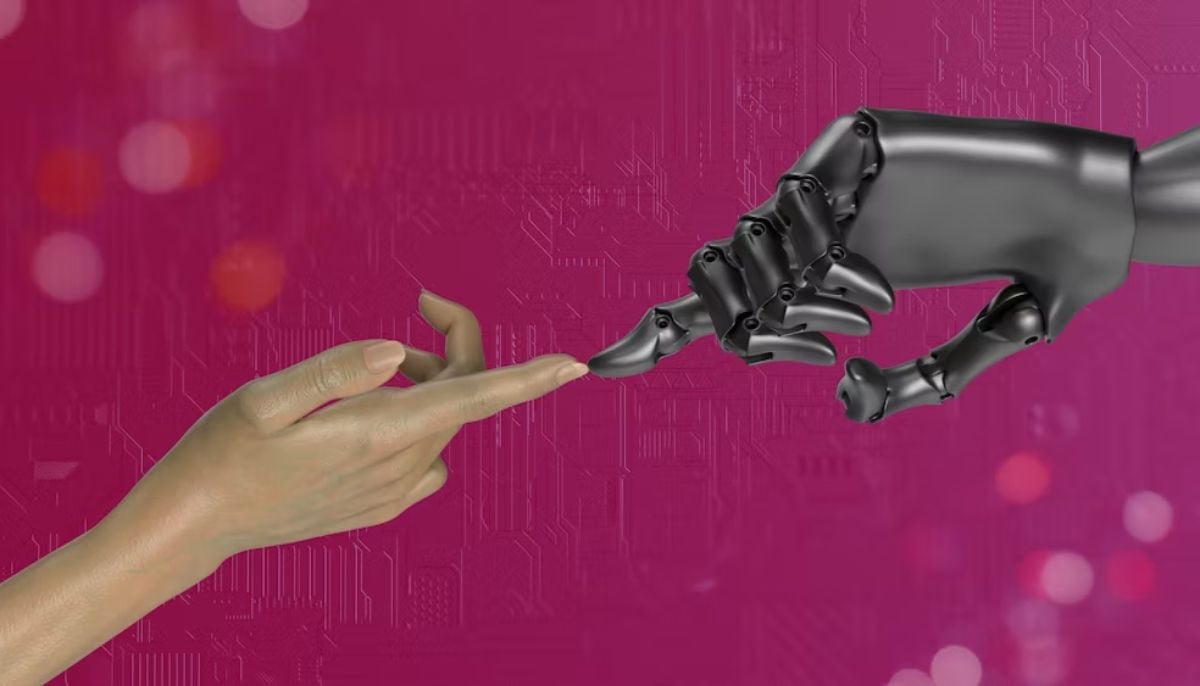
Artificial intelligence and neuroscience are getting closer to making human thoughts speak and show themselves in images. This gives new hope to people suffering from paralysis or speech disorders. During a recent experiment, scientists used AI to transform imagined human speech into text using a set of implanted electrodes in the human brain.
The research explores how computer interface technology and artificial intelligence could change communication tools in the future. Experts believe that this could change in the next two decades.
Scientists have inserted small electrode arrays in areas of the human brain that are responsible for human speech. These electrode arrays capture signals from the human brain while the person imagines saying something.
Recent experiments achieved communication speeds close to natural conversation. Some systems can even detect tone, rhythm and emotional cues. Scientists have also identified signs of “inner speech", such as silent counting or imagined phrases, without any physical attempt to speak.
Research highlights that different parts of the brain process perception differently. This single experiment can create oppurtunities for people to explore dreams, hallucinations, and even animal cognition.
Tech companies, such as Neuralink, are speeding up the development of commercial brain computer interfaces. However, the devices can only read from a small percentage of the brain's billions of neurones.





-
 Pavel Durov: Russia’s anti-VPN measures triggered payment failure
 -
 Meta pauses Mercor work after major data breach
 -
 Sam Altman's OpenAI buys TBPN to expand communication strategy and shape AI public debate
 -
 DeepSeek V4 model bets on Huawei chips as demand surges
 -
 Quantum computing threat: Why global cybersecurity could collapse soon
 -
 AI cyberattacks set to outpace human hackers, experts warn
 -
 Why Google launched the Gemma 4 AI model: Here’s everything to know
 -
 Microsoft to power Japan’s AI future with massive $10B investment