AI safety battle: Anthropic fires back at Pentagon after US military flags it ‘supply chain risk’
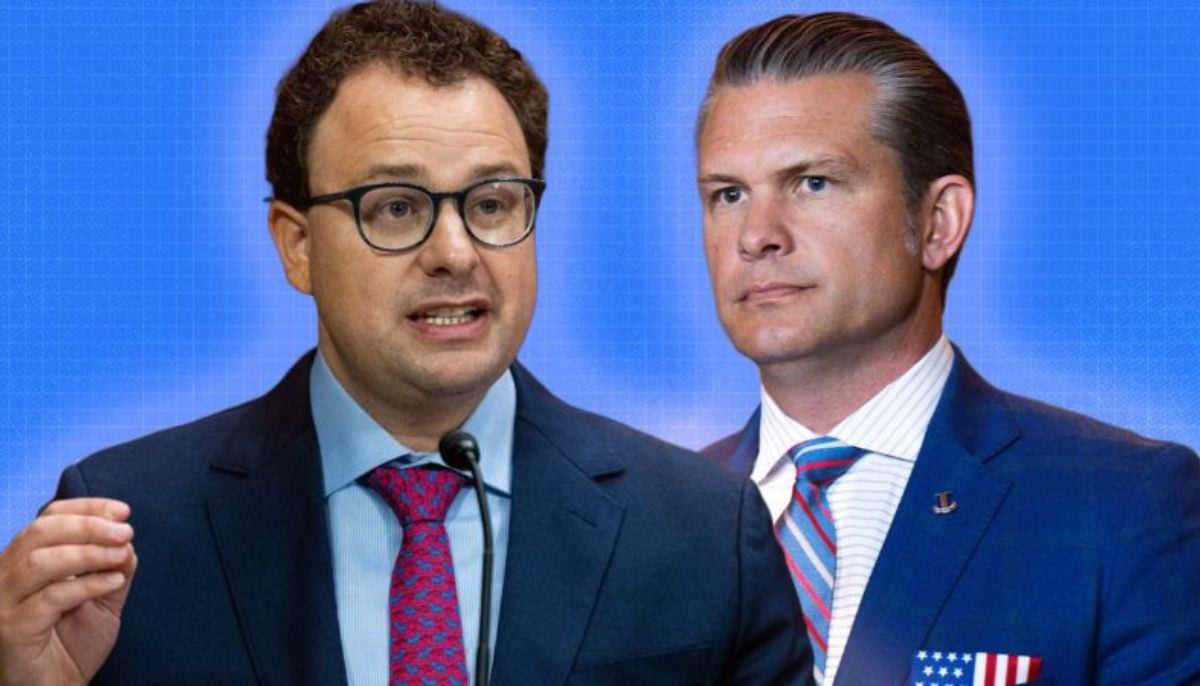
Defense Secretary Pete Hegseth flagged the company a “supply chain risk to national security” a designation that could derail the company's critical partnerships.
The standoff between Anthropic and Pentagon over AI safety guardrails is nowhere near subsiding.
In a recent development, the US military is hell-bent on making Anthropic pariah by labeling it “supply chain risk” as the company refused to accept Pentagon’s AI military proposal while standing firm to AI ethics.
On Friday, the Trump administration ordered all federal agencies to stop using Anthropic AI models for various purposes as OpenAI announced a partnership with the Department of War.
Moreover, Defense Secretary Pete Hegseth flagged the company a “supply chain risk to national security” a designation that could cause financial implications and derail the company's critical partnerships.
After being labeled, Anthropic hit back at the Pentagon, calling this act “legally unsound” and “dangerous precedent for any American company that negotiates with the government.”
Calling Anthropic a supply chain risk is a huge, unheard-of move. Usually, the government only does this to foreign companies, never to an American one.
Despite the imposition of punishment, Anthropic refused to change its position on its safety principles, ensuring the safe deployment of AI tools.
Issues at the heart of showdown
Anthropic rejected the Pentagon’s AI military offer because of two reasons: the first is the mass surveillance of American citizens and the second is management of fully autonomous lethal weapons.
According to CEO Dario Amodei, AI models are not reliable and efficient enough to manage these fully autonomous weapons and the lack of regulatory framework for mass surveillance raises privacy concerns.
Supply chain risk & What it means for customers and partnerships
Supply chain risk refers to a high-stake national security designation rather than a traditional logistics issue.
Taking to X, Pete Hegseth wrote, “no contractor, supplier, or partner that does business with the United States military may conduct any commercial activity with Anthropic.”
The decision could have wide-ranging impacts for the companies that are under contract with Pentagon and Anthropic.
Essentially, the Secretary claimed that anyone working with the military would be banned from using Claude. According to Anthropic, the Secretary does not actually have the legal power to do that.
By law, this designation only applies to actual military projects and it cannot stop a company from using Claude for its own private business or for other clients.
So, if you are an individual customer or hold a commercial contract with Anthropic, you can access Claude without being affected. But for Department of War contractors, Claude access would be affected for military-funded work.


-
 US orders immediate removal of DeepSeek AI from federal systems over national security risks
 -
 Microsoft employee reveals 'truth' about AI at Xbox amid gaming industry backlash
 -
 Your phone may have malware: Here’s how you can check
 -
 Anthropic pledges 5% of shares to new public benefit fund ahead of IPO to shape AI goals
 -
 Google Messages live location may soon show traffic jams
 -
 Can Europe wean itself off US rockets? Creotech CEO weighs in
 -
 Apple's iPhone Duo launch strategy was 'major mistake', Bloomberg’s Gurman says
 -
 WhatsApp tests new iPhone browser to open links inside app