AI productivity trap: Why workers feel overloaded despite efficient tools
The findings debunk the myth related to AI-powered productivity
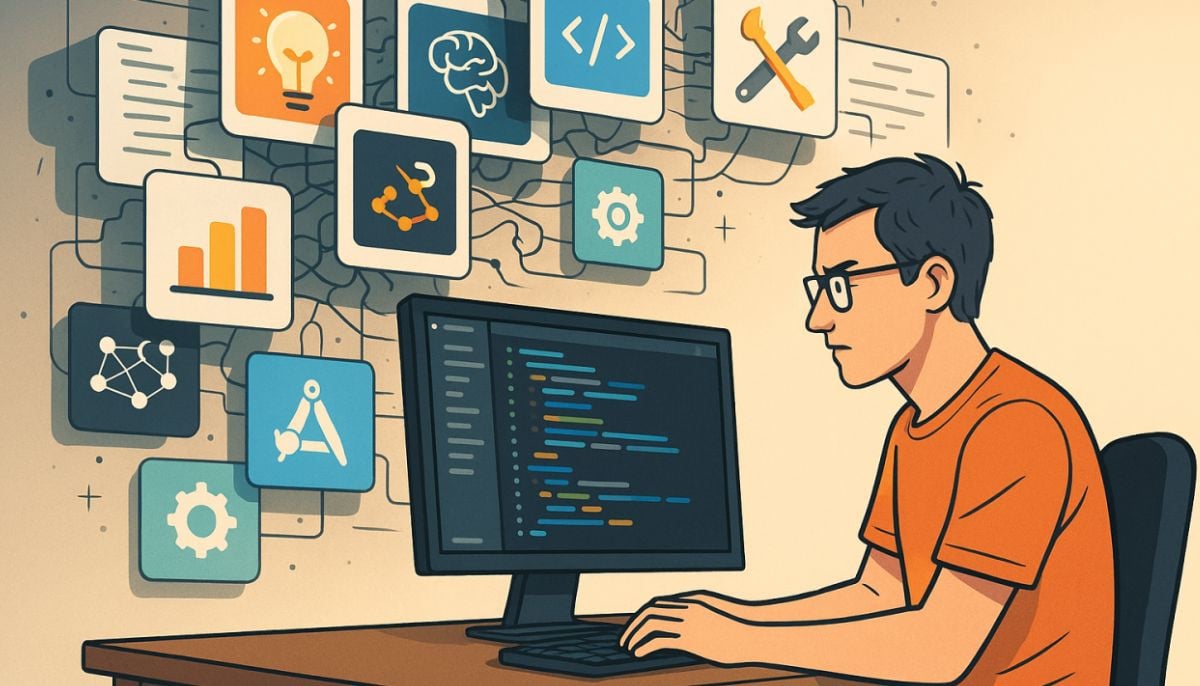
Artificial intelligence tools are often used to reduce workload and increase efficiency. But, a new research study challenges this prevalent viewpoint.
According to a study, published in the Harvard Business Review, instead of delivering productivity gains, AI tools open a Pandora's box, claiming to intensify the workload rather than offer relaxation.
The findings debunk the myth related to AI-powered productivity. The reality on the ground is a shift toward an unsustainable work pace.
The tools make difficult tasks feel accessible. According to the study, the “doing more” trap compels employees to take on more work voluntarily because it feels “intrinsically rewarding.” Here are the details regarding the different forms of intensification.
Task expansion
AI is known for bridging the knowledge gaps. When the workers start taking the responsibilities which fall outside their expertise, they will start spending more time fixing and reviewing AI-generated work.
Having called it “just trying things with AI”, the employees will widen their job scope and burden themselves with additional tasks.
No boundaries between working & respite hours
AI tools also intensify the workload by blurring the boundaries between working and non-working hours. As prompting feels like normal “chatting”, the workers unconsciously start working during the break moments. Hence, the frictionless nature of AI removes the barriers, allowing people to work even during morning, breakfast, coffee breaks without thinking much.
Hyper-multitasking
It also introduces hyper-multitasking. Workers manage multiple AI agents or threads simultaneously. Initially, multitasking feels like a “momentum”, in reality it creates a heavy cognitive load due to continuous switching of attention and seeking for more AI outputs.
Hidden costs
Short-term output spikes often lead to long-term negative impacts, including burnout, cognitive fatigue, and decline in decision-making.
According to the study’s researchers, “For workers, the cumulative effect is fatigue, burnout, and a growing sense that work is harder to step away from, especially as organizational expectations for speed and responsiveness rise.”
“Our findings suggest that without intention, AI makes it easier to do more — but harder to stop,” the researchers added.


-
 Sam Altman outlines 3 AI endgames, including one company dominating all rivals
 -
 Australia to sue 5 tech giants over under-16 social media ban
 -
 Elon Musk praises EU USB-C mandate as a massive win for consumers
 -
 US orders immediate removal of DeepSeek AI from federal systems over national security risks
 -
 Microsoft employee reveals 'truth' about AI at Xbox amid gaming industry backlash
 -
 Your phone may have malware: Here’s how you can check
 -
 Anthropic pledges 5% of shares to new public benefit fund ahead of IPO to shape AI goals
 -
 Google Messages live location may soon show traffic jams