China launches world’s first biomimetic AI robot that feels human
Unlike other cold, metallic robots, Moya’s most striking feature is her warm skin
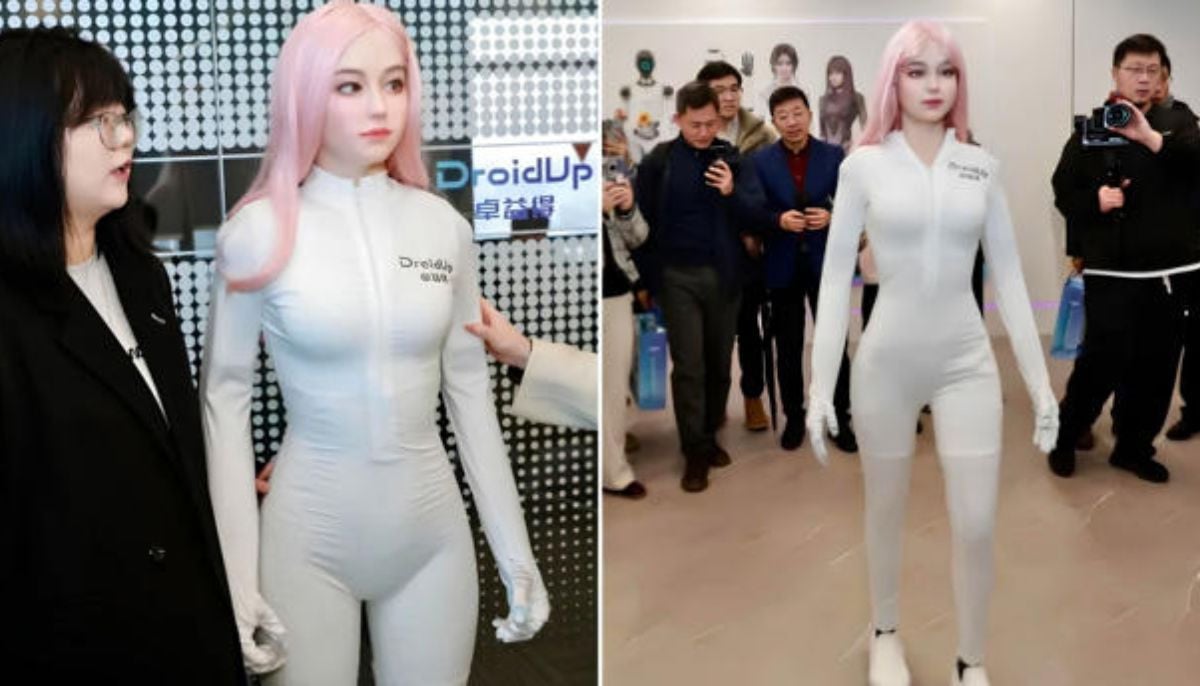
A Chinese robotics startup has launched what it calls the world’s first biomimetic AI robot. The robot, named Moya, was revealed in 2026 by Shanghai-based company Droidup.
It is designed to closely resemble humans, with human-like features such as skin texture, human-like locomotion, facial tracking, and artificial intelligence. It is designed for public engagement roles such as healthcare, education, and customer service work.
Unlike other cold, metallic robots, Moya’s most striking feature is her warm skin. Droidup says the robot maintains a body temperature between 32°C and 36°C to feel more human to the touch. Droidup founder Li Qingdu said robots meant to serve people should not feel lifeless.
The company believes that warm attitudes and subtle facial expressions help people build emotional bonds and develop familiar relationships, but experts believe that these human-like characteristics create discomforting experiences.
Moya displays some stiffness in her movements, while her skin maintains a slightly plastic appearance. However, cameras placed where eyes should be allow her to track faces and movements. Droidup claims she can display microexpressions and respond naturally using onboard AI, calling her a “fully biomimetic embodied intelligent robot.”
Moya is powered by an internal skeletal system known as Walker 3, which builds on earlier versions that performed competitively in robotics events. Droidup claims Moya’s walking accuracy reaches 92%, though the company has not explained how this figure is measured.
The biomimetic AI robot is expected to hit the market at an estimated selling price of approximately ¥1.2 million, or around £127,000.
Social media reactions were mixed, describing Moya as impressive, unsettling, or uncanny. Experts agree that robots like Moya are no longer just lab-based robots but are still far from being someone’s companion.



-
 EU antitrust regulators Quiz Publishers on Google's AI search opt-out: report
 -
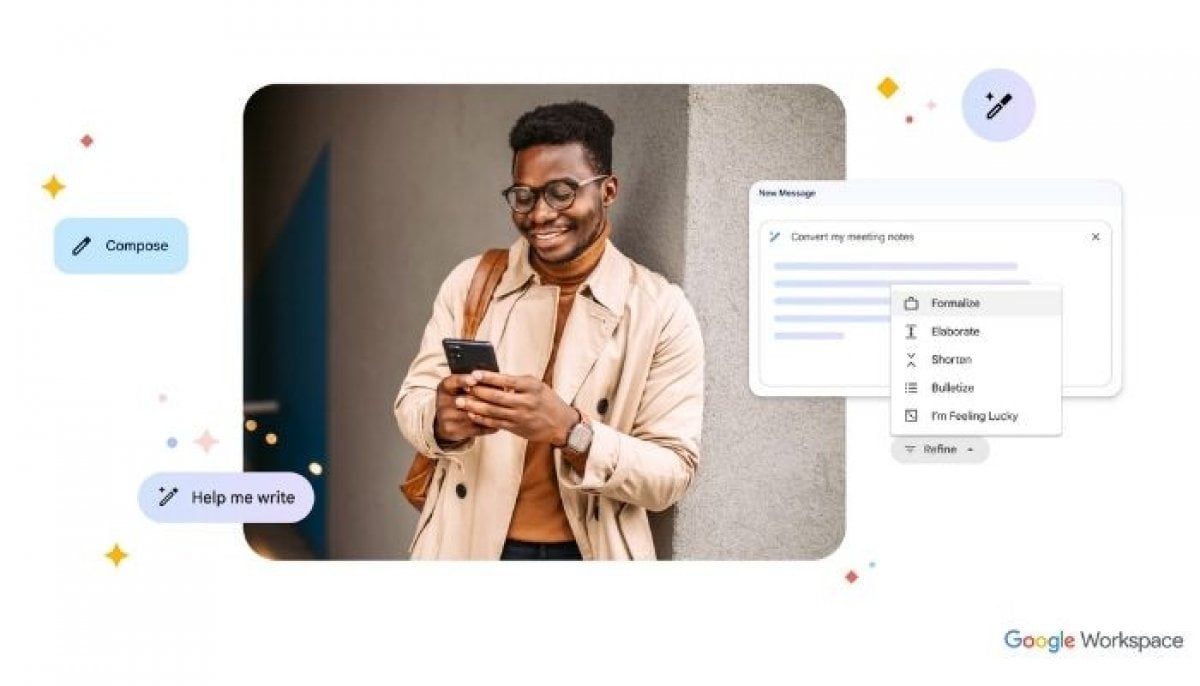 Google launches Pics AI image tool in workspace: How it works
 -
 YouTube integrates Amazon shopping into videos: What it means for creators
 -
 Apple accuses OpenAI of stealing trade secrets and destroying evidence in escalated lawsuit
 -
 US pushes ‘hands-off’ AI regulation at G20 amid China rivalry
 -
 John Ternus takes over as Apple CEO: Why AI will define his leadership
 -
 Anthropic resumes external AI model testing after security breach incidents
 -
 OpenAI hits back at Apple over trade secret claims: ‘A mess of its own making’