Paralysed student controls computer with Neuralink brain chip
Early results show Elon Musk Neuralink can restore independence for people with paralysis
A British medical student who became paralysed following a diving accident has been given a level of independence after an implant from Neuralink, founded by Elon Musk, was inserted into his brain as part of an early-stage trial in London.
One of the first people in the UK to test the device, which allows people to control a computer using only their minds, is Sebastian Gomez-Peña.
How does Musk's Neuralink helped paralysed students?
The chip was implanted in a five-hour surgery at University College London Hospitals (UCLH). This chip connects to the brain with the help of ultra-thin threads and then wirelessly sends the brain signals to a computer.
Now Gomez-Peña can control the cursor, open files, and play chess on a computer without physically touching it. “It’s a massive, massive change in your life,” he said. “The technology understands what I want to do, and it does it.”
Gomez-Peña was injured shortly after starting medical school. A diving accident left him with a broken neck and other injuries, resulting in paralysis.
It involved a surgeon using a surgical robot developed by Neuralink to insert an electrode into a specific area of his brain. They inserted threads, ten times thinner than human hair, into his motor cortex, a brain area that controls hand and finger movement.
The threads are linked to a coin-shaped device implanted into his skull, which records his brain wave patterns before transmitting them wirelessly outside his body.
He is one of seven participants in the UK trial and one of 21 worldwide, including in the US, Canada, and the UAE. Doctors say his control over the system is fast and precise. Some trial participants can type using virtual keyboards or operate devices purely with thought.
UCLH Lead Investigator Dr Harith Akram said: “This technology is going to be a game-changer for patients with severe neurological disability.” However, the technology remains experimental, with long-term effects unknown.


-
 Meta releases Muse Spark for Mac-optimized AI: What to know
 -
 OpenAI, Anthropic subpoenaed by FTC over AI safety incidents and consumer harms
 -
 China’s ByteDance makes major AI safety push with global hiring drive
 -
 Can Wall Street keep rogue AI out of its systems?
 -
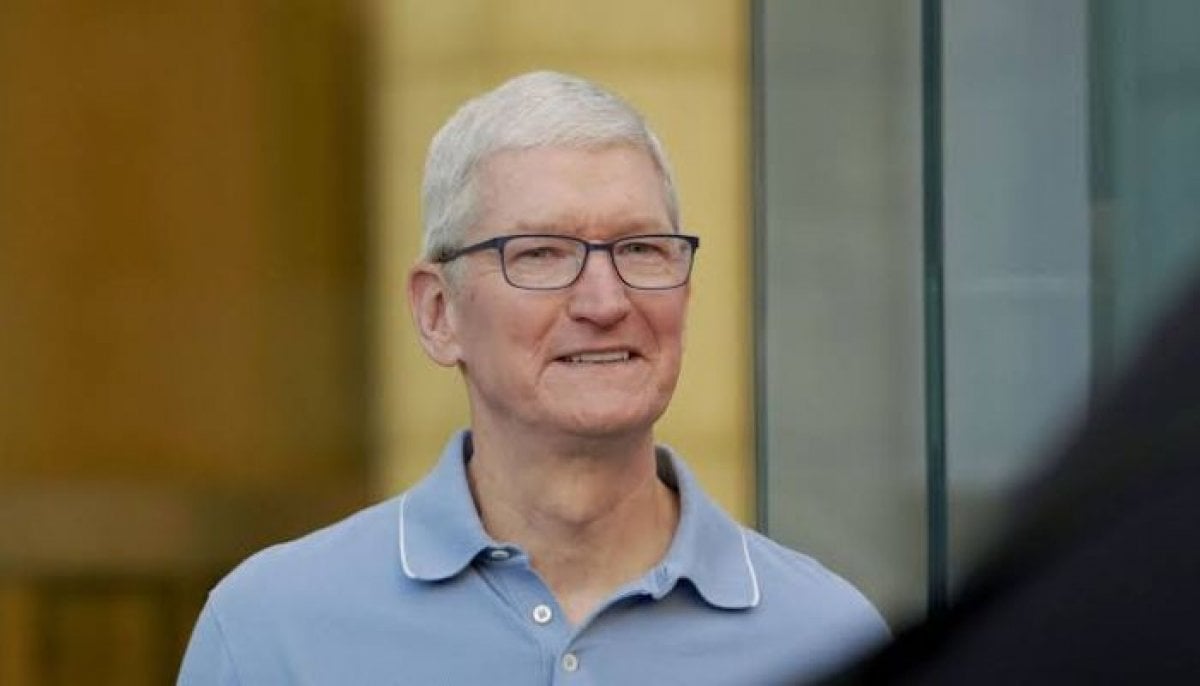 Tim Cook announces major Apple Intelligence update for China
 -
 OpenAI sued by eight states over ChatGPT youth safety and mental health risks
 -
 1.3GW solar farm, 1GW data centre planned near King's Lynn
 -
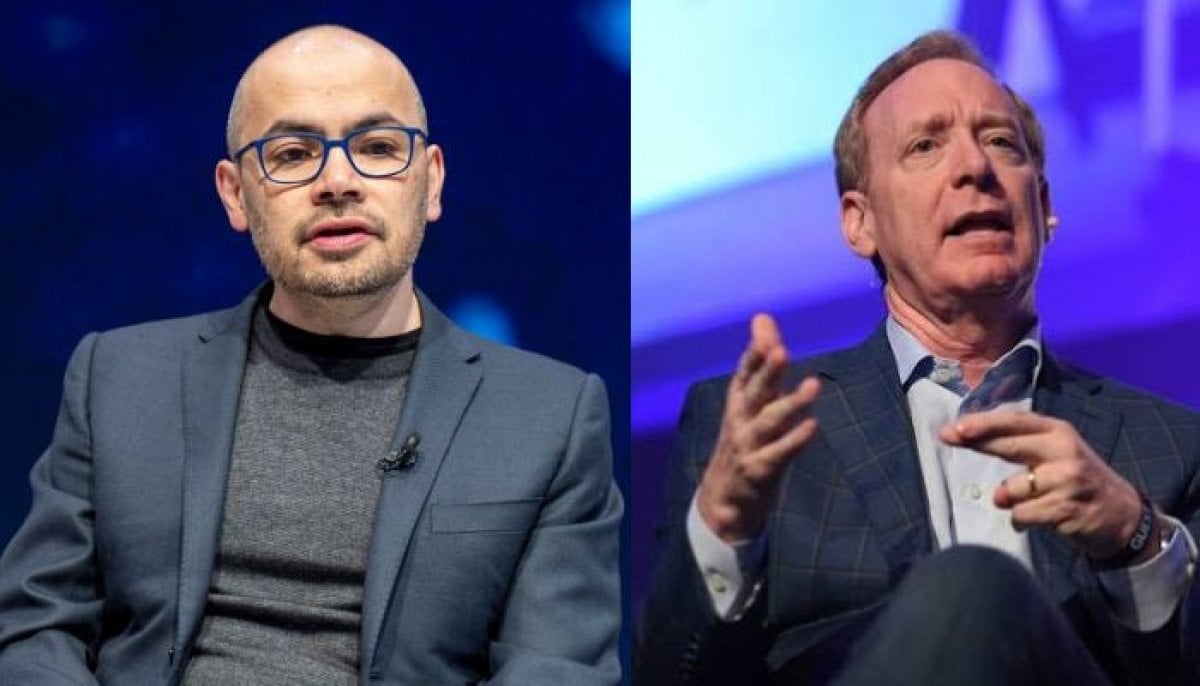 AI agent hacks are 'early warning shots': Google DeepMind co-founder
-
 Russia cracks down on AI bears as real attacks spread fear: What to know
 -
UK media watchdog warns X over illegal hate content despite moderation speed improvements
-
OpenAI vs. Apple: Former employee accused of taking unreleased device files
-
Google DeepMind, Google Cloud grant European researchers access to frontier AI models and $3M in compute