Zhipu AI, MiniMax debuts mask structural hurdles for China’s tech giants
Zhipu AI and MiniMax staged impressive debuts on the Hong Kong Stock Exchange this month
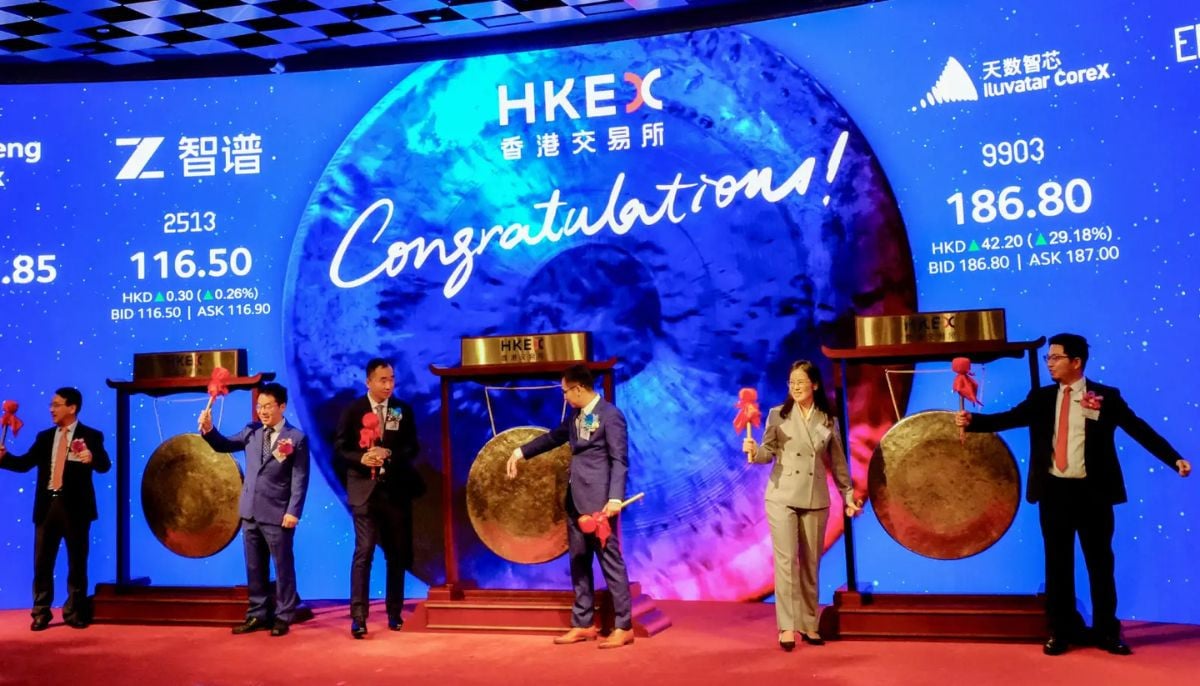
China’s AI industry leaders, Zhipu AI and MiniMax, have made spectacular debuts on the Hong Kong Stock Exchange. These listings have significantly bolstered investor confidence in Chinese AI startups, despite the ongoing challenges of US export controls and the complex puzzle of long-term profitability.
The stunning pair is part of the growing pack of Chinese “AI tigers”, a movement catalyzed by DeepSeek, the startup whose low-cost models stunned US rivals and the rest of the world a year ago.
Despite the incredible achievements of Chinese companies in open-source models, the gap with the United States “may actually be widening”.
Regarding this disparity, Tang said at a conference in Beijing: “Large-scale models in the US are still mostly closed source, and we need to acknowledge the challenges and gaps we face.”
US export sanctions on the advanced microshops used to train and run AI systems as well as restrictions on semiconductor manufacturing equipment have been cited as a defining boundary by top industry figures.
Nick Patience, practice lead for AI at tech research group Futurum, told AFP, “The challenge isn't just technology.”
"It’s the high cost of computing under sanctions and the delicate balance of innovating within a strict regulatory framework,” he further added.
MiniMax and ZhipuAI observed stronger gains in their AI tools
Shares in Zhipu AI, a major provider of chatbot tools, have soared 80 percent since its iPO. Meanwhile, MiniMax, which targets the consumer market with its advanced multimedia AI tool, has seen even stronger gains. However, both companies are recording rising deficits due to the high costs of training new AI models.
In conversation with AFP, they said that both are “burning cash faster so they can generate sustainable revenue streams.”
Zhao and other analysts' eye 2026 as a crucial test for the global AI sector as it seeks elusive monetization prospects.
2026: A turning point for China business profitability across key sectors
Koda Chen reportedly said that his firm Suanova Technology will invest in computing power for Chinese AI companies and has identified specified opportunities in finance and healthcare.
This year will be crucial for China’s AI businesses to achieve benefits in more sectors. The Suanova CEO said, “Clients are developing payment habits, and products are gaining customer stickiness.”
China has been effectively deploying massive subsidies and industrial policies to support AI innovation, driving its ambitions to rival the United States.
Being has further plans to deploy three-to five general-purpose large AI models specifically for the manufacturing sector by 2027. According to consultancy Frost and Sullivan, China’s largest language model market is still in infancy but is estimated to grow to $14.5 billion by 2030.


-
 Google Cloud introduces Gemini agent for work
 -
 Amazon launches premium Alexa tablets to challenge iPad: What to know
 -
 Italy, EU launch probe into Microsoft-owned gaming companies
 -
 Andrew Garfield says playing Sam Altman left him scared of AI
 -
 TikTok strengthens AI transparency & safety efforts to help navigate AI-generated content
 -
 ASOS data breach: What hackers accessed from customer accounts revealed
 -
 Nestlé CEO says AI skills go far beyond writing good prompts
 -
 WhatsApp Status double speed is finally coming to Android