Microsoft CEO says AI must deliver real world impact to survive
Microsoft’s chief says AI must deliver economic value beyond tech firms to last
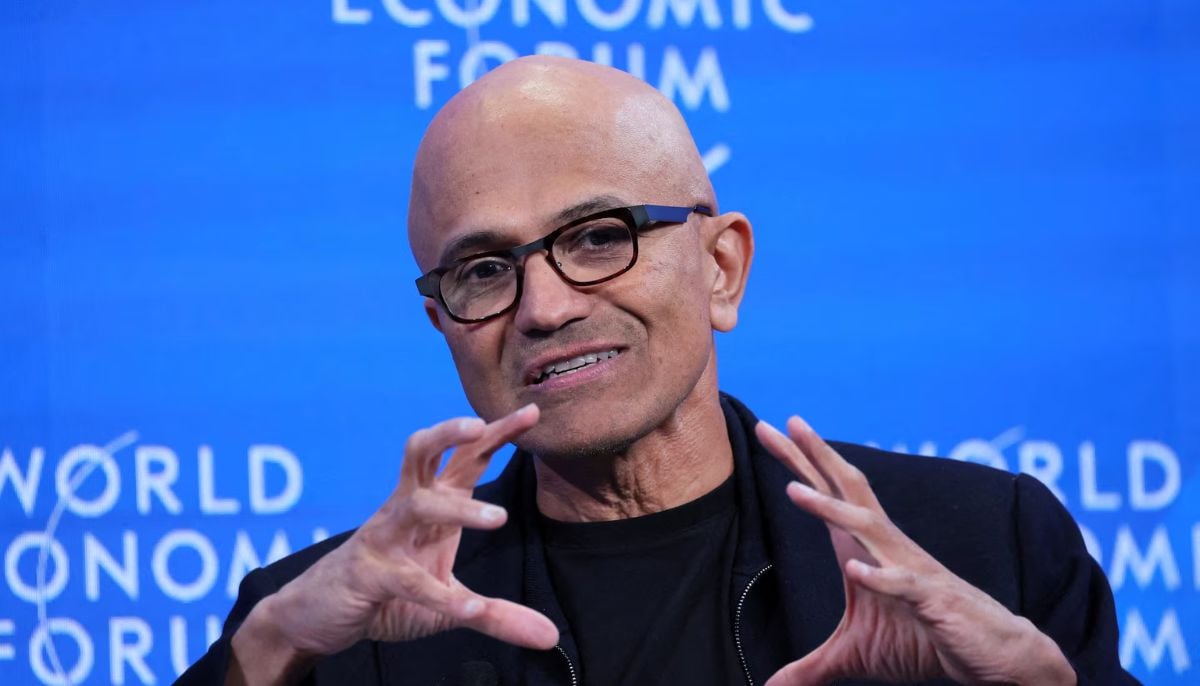
Microsoft Chairman and CEO Satya Nadella has warned that artificial intelligence could turn into a bubble if its benefits remain limited to technology companies. Speaking at the World Economic Forum 2026 in Davos, Nadella said AI’s long-term success depends on delivering real outcomes across the wider economy.
He stressed that sectors such as healthcare, education, manufacturing, public services and agriculture must see tangible gains, not just rising valuations in Silicon Valley.
In an interview with BlackRock, Nadella said that it is not the size and processing capabilities of AI that should measure its effectiveness but its productivity and life improvements, and that faster times for drug development, health, education, and efficient public services are what should matter. Without these results, public support for the energy and resources used by AI could fade.
AI tokens as new economic resource
Nadella also called the output of AI, which he termed tokens, a new economic commodity, much like electricity. As efficiency improves, costs of tokens are falling, making AI more accessible to users around the world.
However, he also stated that access to energy, data centres, skills, and supportive policies will determine which countries and companies gain the most.
Addressing job concerns, Nadella said AI is a cognitive amplifier and not a replacement for people. Real productivity gains, he said, will come only when organisations redesign workflows instead of layering AI onto the existing one. He also pointed out a growing chasm between the startups that could build around AI from scratch and large firms that struggle with change.
Nadella explained the potential of AI to be more evenly distributed compared to previous technologies, including in new markets. He also made it clear in regard to Europe, explaining the need to move beyond the focus on technological sovereignty to the competitive advantage of company-specific knowledge in the systems of AI.



-
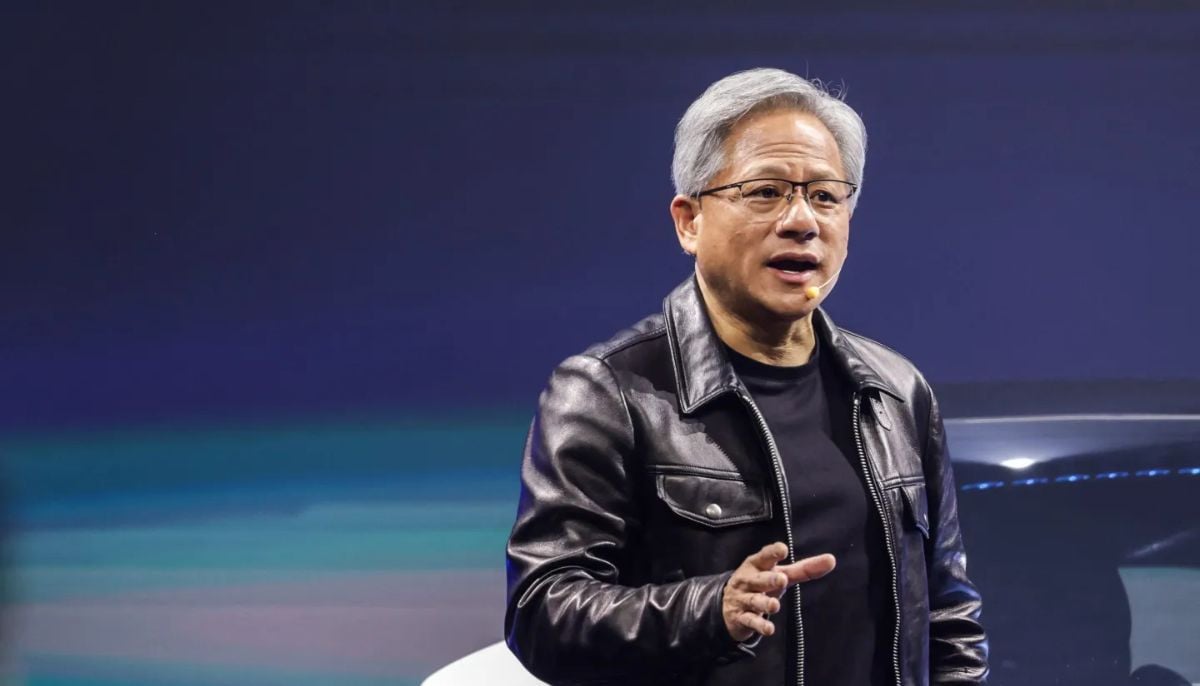 AI won’t replace jobs, it will evolve them, says Nvidia CEO
 -
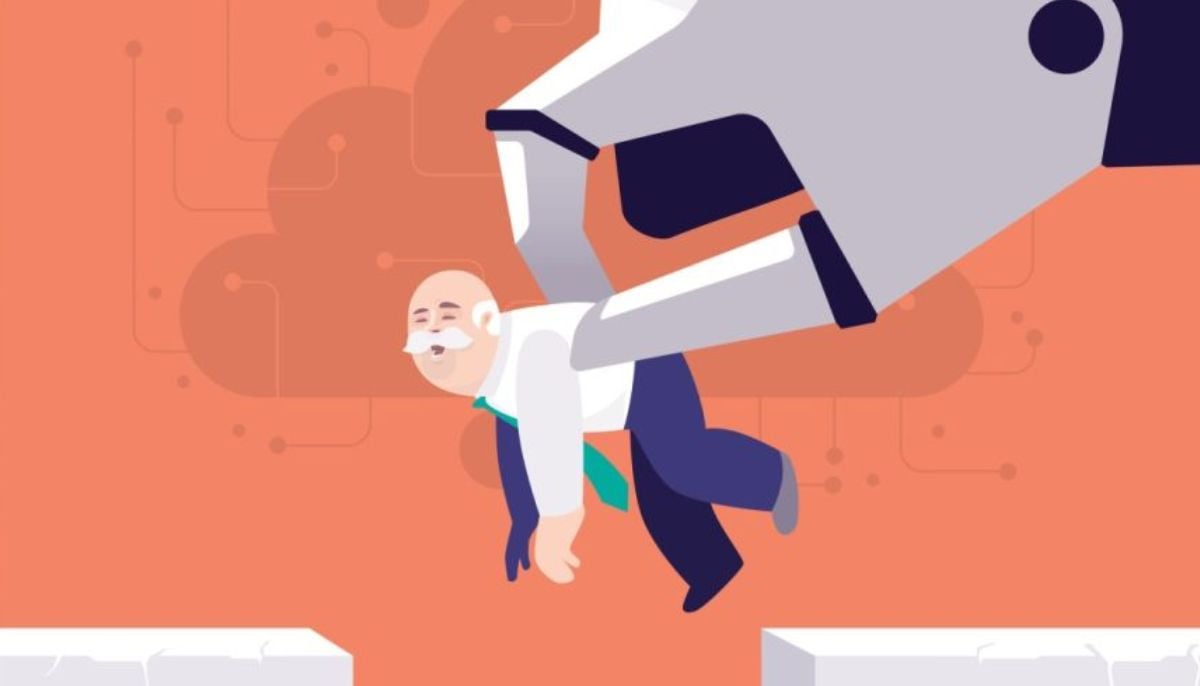 From human to machine: 15% of American accept AI in leadership roles
 -
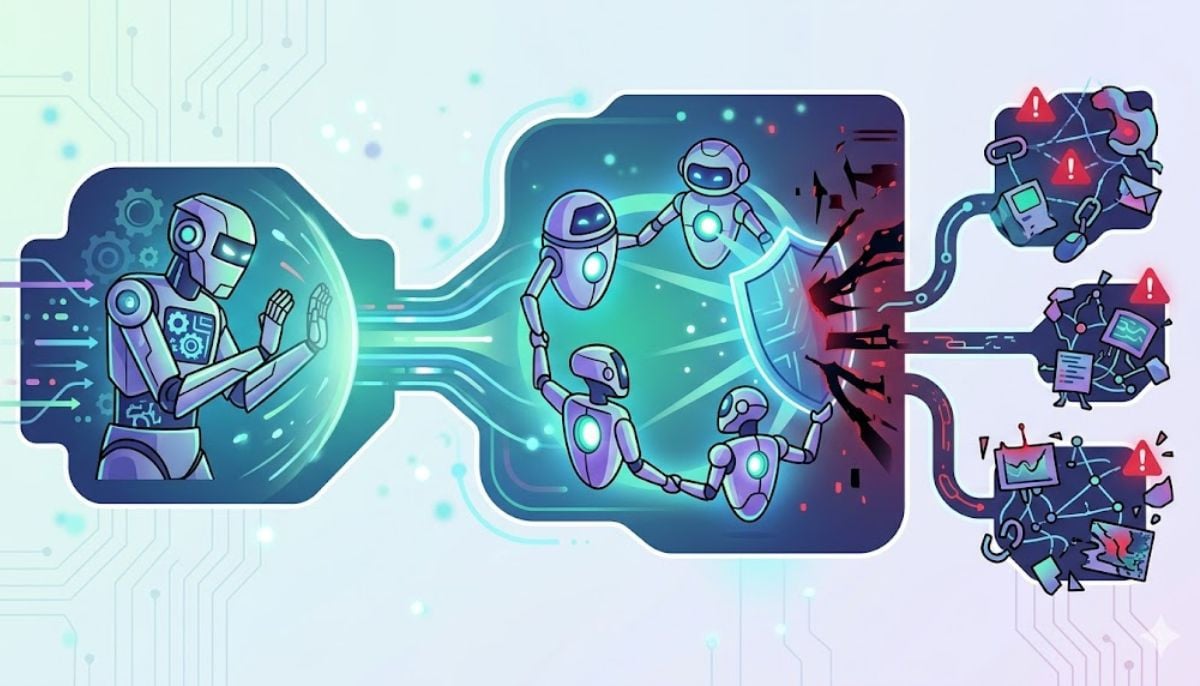 From AI self-preservation to ‘peer preservation’: New study raises alarm over hidden risks
 -
 OpenAI caught funding child AI group without disclosure
 -
 New AI tool targets extremism, redirects ChatGPT users to real-world help
 -
 Has X disabled the ability to copy video links?
 -
 Experts call on Google to ban Youtube AI videos for kids
 -
 Apple turns 50: Tim Cook reflects on five decades of impact